Online
Reservation
Integer congue malesuada eros congue varius. Sed malesuada dolor eget velit pretium. Etiam porttitor finibus. Nam suscipit vel ligula at dharetra
Integer congue malesuada eros congue varius. Sed malesuada dolor eget velit pretium. Etiam porttitor finibus. Nam suscipit vel ligula at dharetra

We look forward to planning your special event.
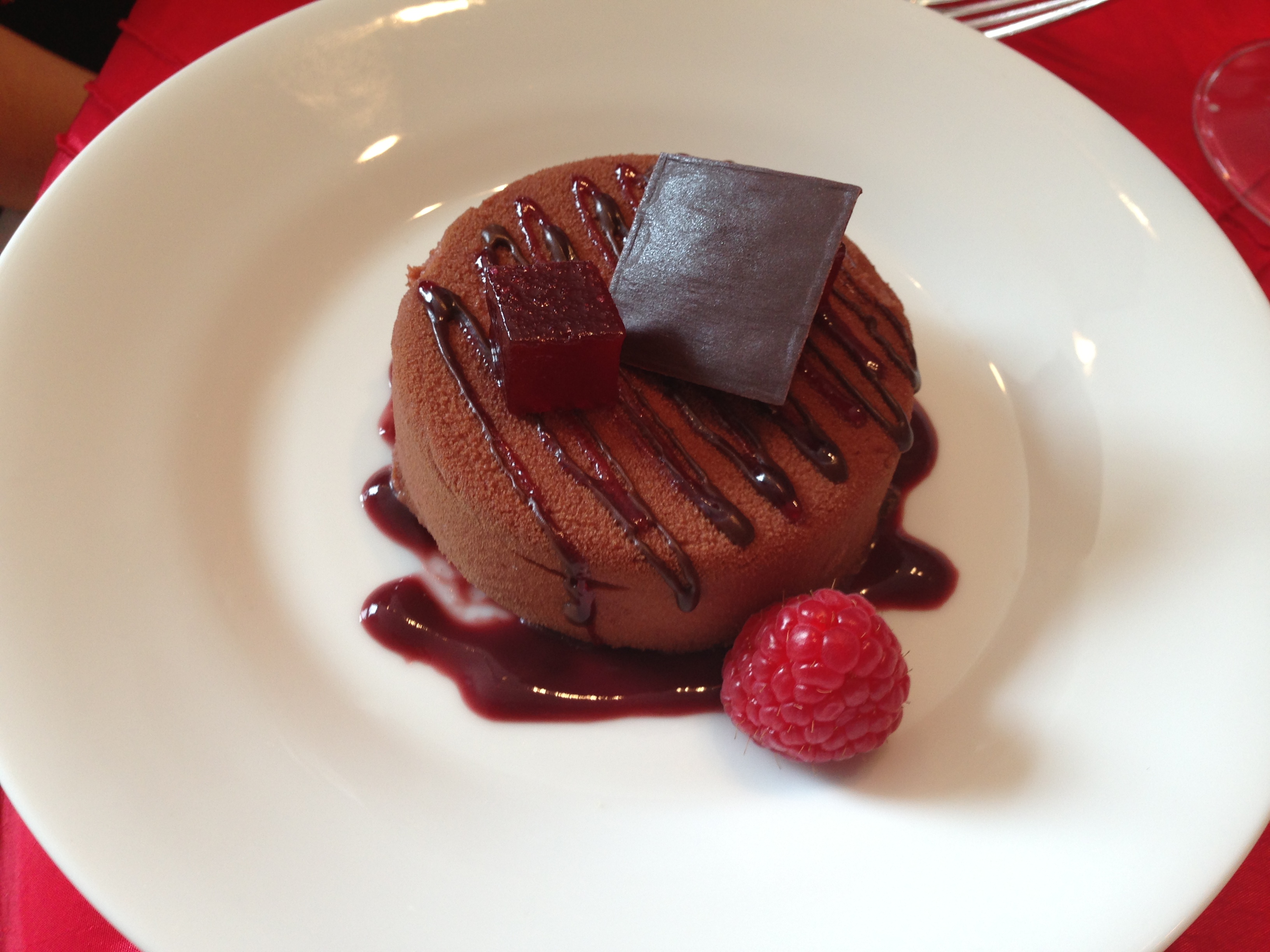
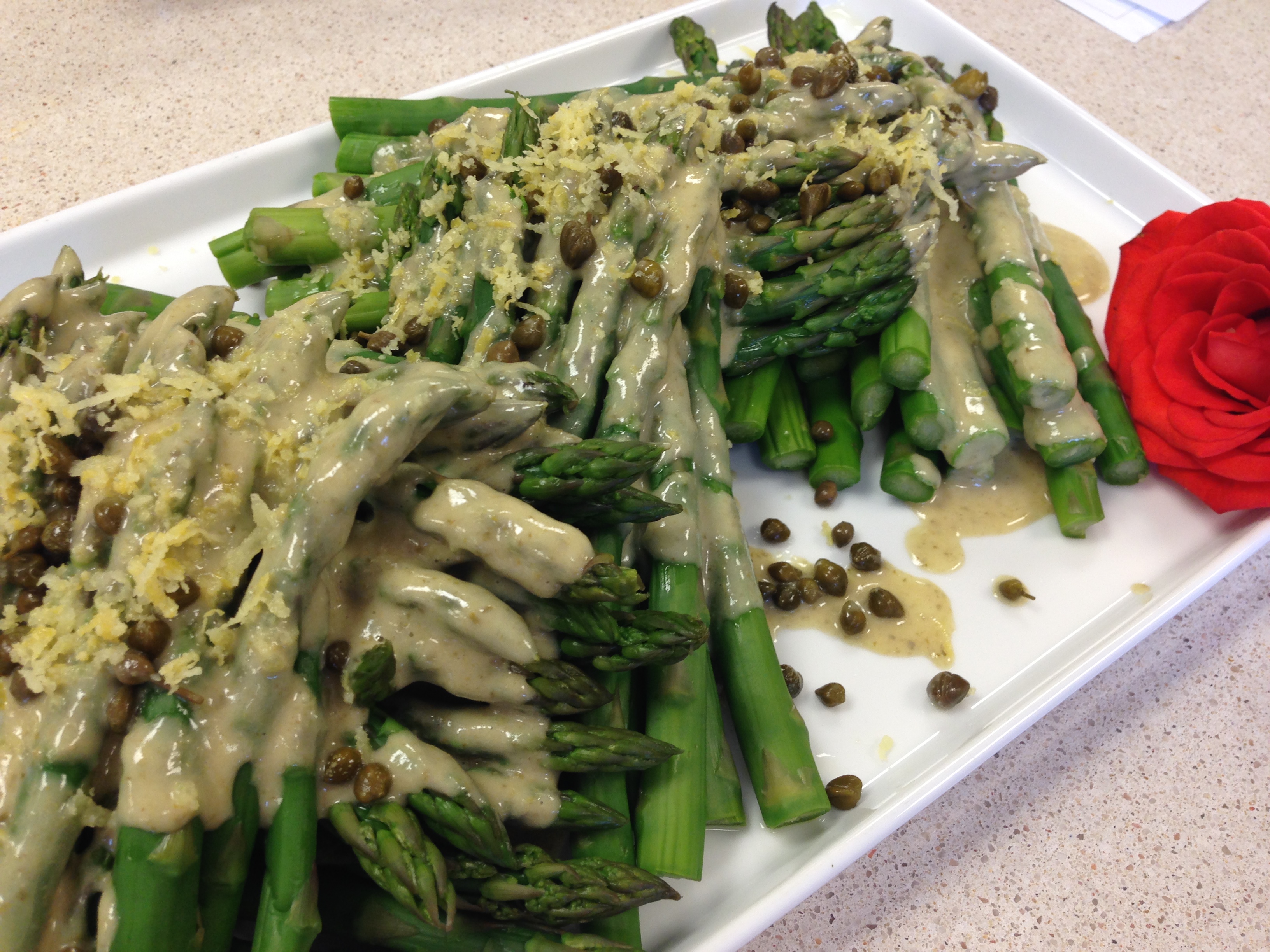
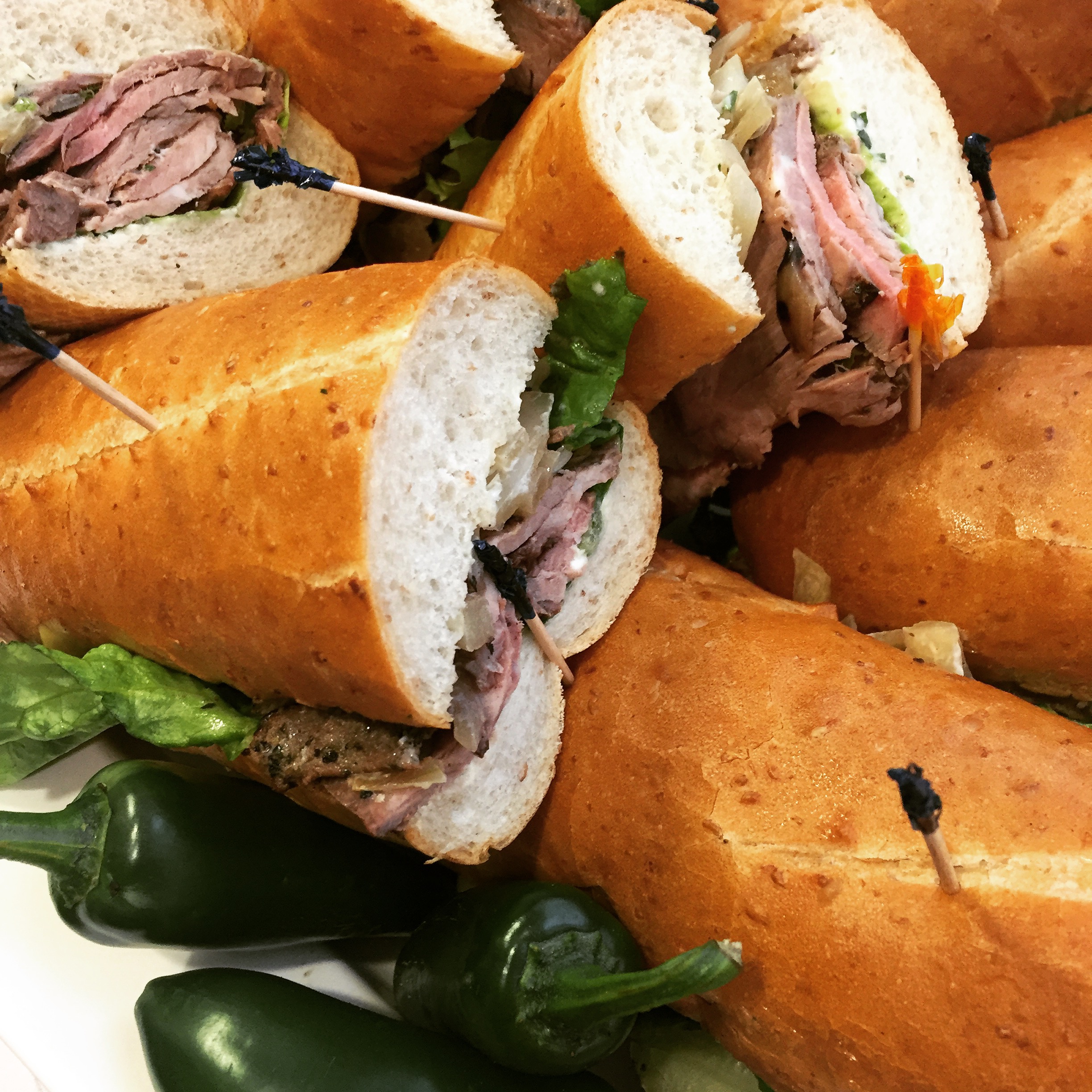
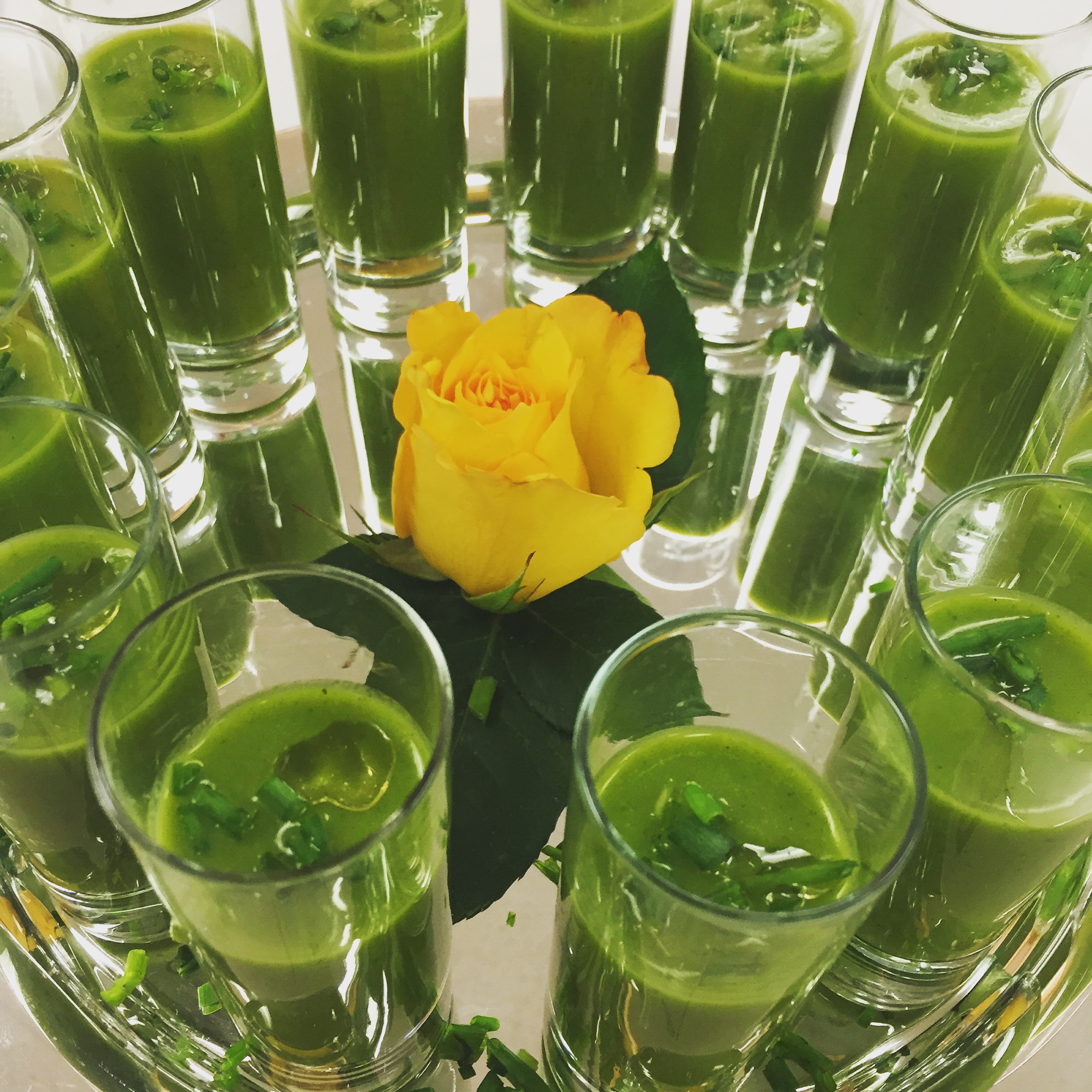
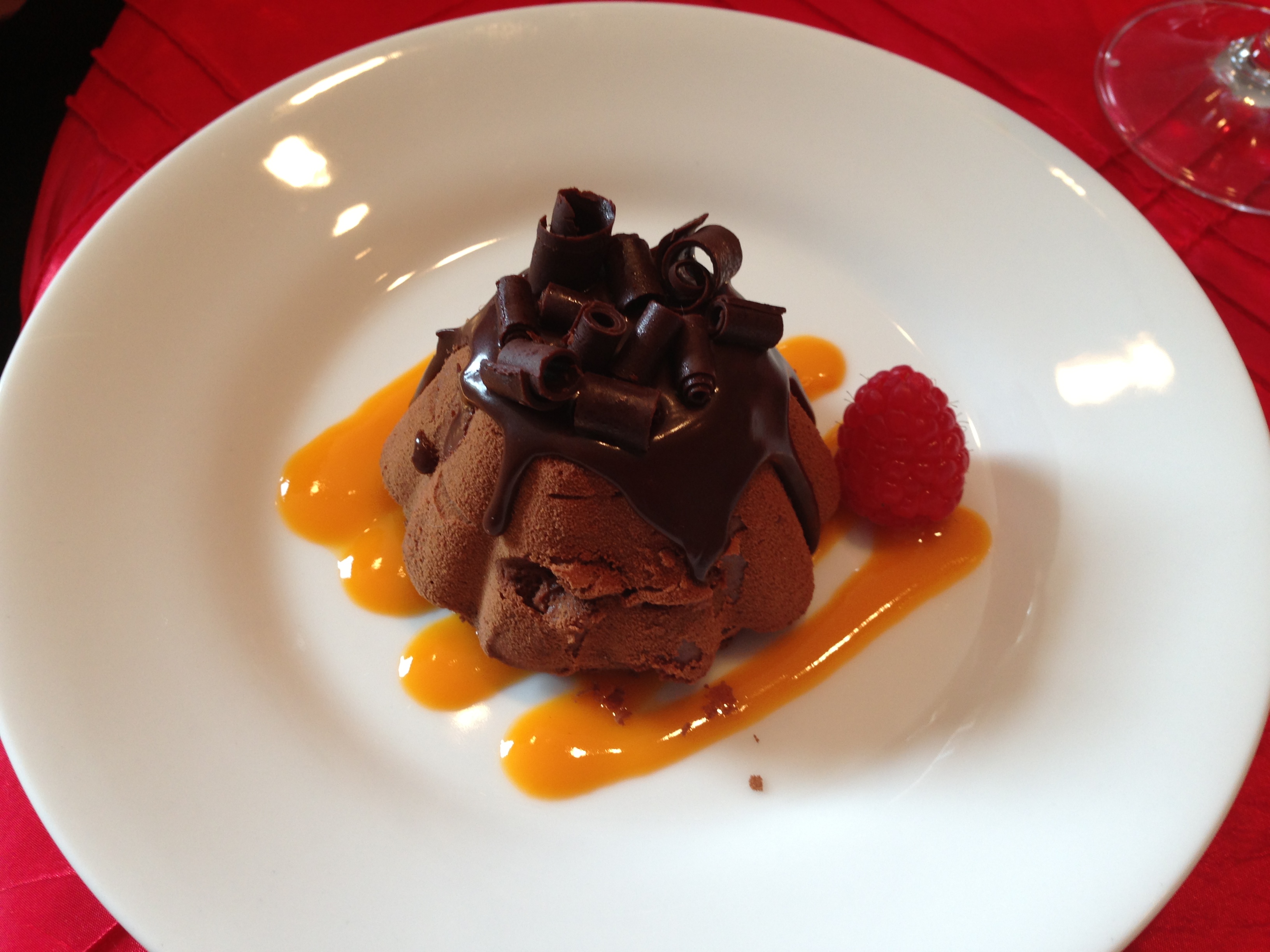
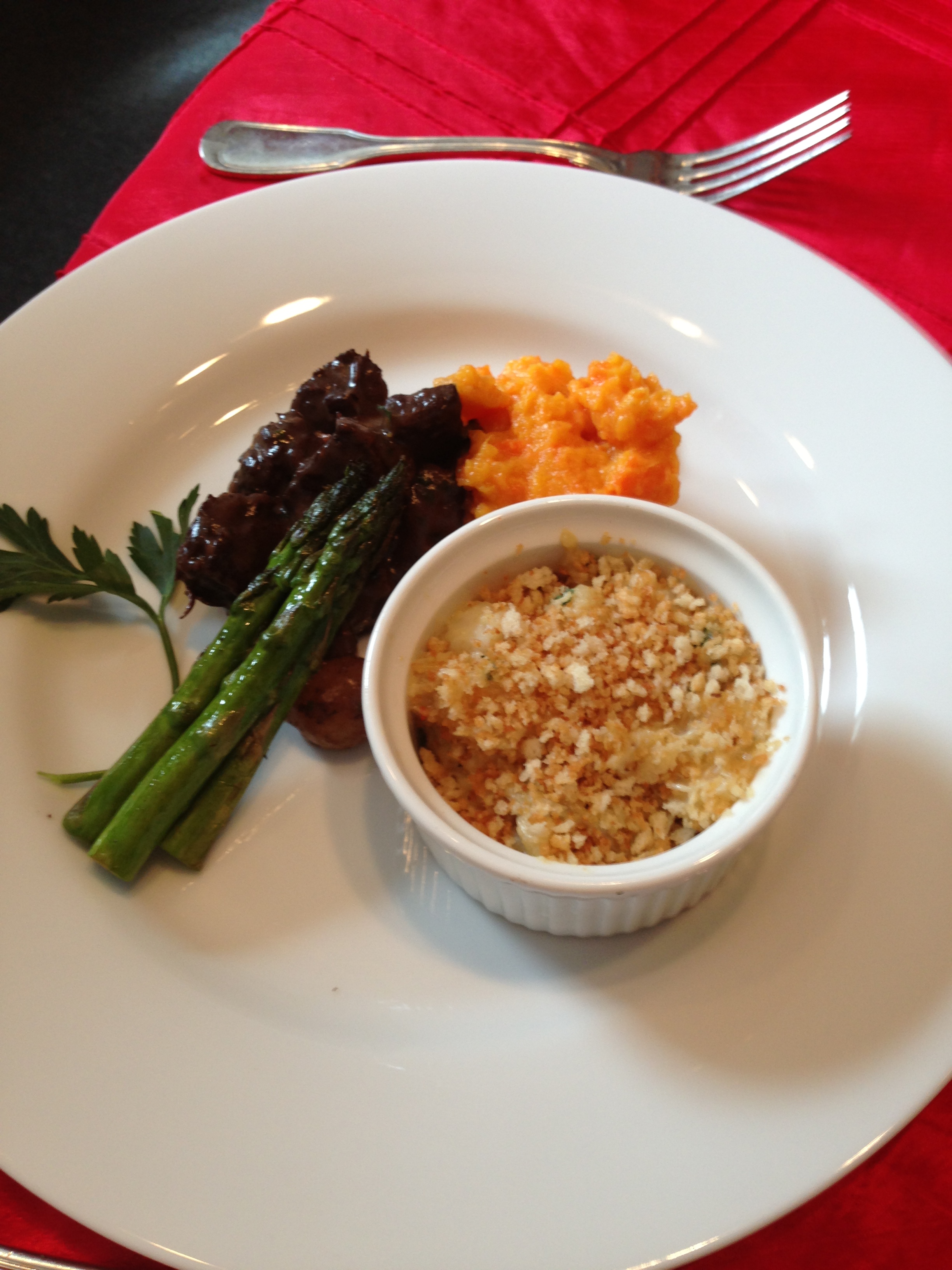
Planning the catering aspect of an event can make or break the overall experience for attendees. Whether it’s a corporate gathering, wedding, or social party, ensuring the food and service are on point is crucial. Below are key do's and don'ts to deliver a flawless catering experience.
Conduct surveys or ask about dietary restrictions in advance.
Consider offering vegetarian, vegan, gluten-free, and allergy-friendly options.
Design a menu that caters to diverse tastes while maintaining quality.
Finalize your guest count early to avoid last-minute surprises.
Work with your caterer to develop a clear timeline for food preparation and serving.
Keep detailed notes on logistics like table arrangements, serving stations, and meal timing.
Collaborate with your caterer to choose fresh, seasonal ingredients that enhance flavor and presentation.
Avoid processed options where possible to maintain a high standard of quality.
Presentation matters as much as taste—opt for plated dishes or creative buffet setups that look appetizing.
Use garnishes strategically to add color and texture without overwhelming the plate.
Schedule a tasting session with your caterer well in advance of the event date.
Use this opportunity to refine dishes and ensure they align with your vision for the event.
Avoid stretching beyond what you can afford by being realistic about costs from the start.
Always get itemized estimates from caterers before making decisions.
Late food service can frustrate guests; ensure meals are served promptly according to schedule.
Plan buffer time between courses if hosting a multi-course meal.
Skimping on servers can lead to delays in food delivery or unclean tables during events.
Ensure adequate staff-to-guest ratios depending on whether it’s plated service or buffet-style dining.
A menu packed with too many choices can overwhelm guests and increase preparation time for caterers.
Instead, focus on 2–3 standout entrees paired with complementary sides and desserts.
Never Assume Guests Will Eat Everything Offered
Not all attendees may gravitate toward adventurous dishes; always offer crowd-pleasing staples alongside specialty items.
|
Service Type |
Guests per Server |
Notes |
|
Plated Dinner |
20 |
For optimal pacing of courses |
|
Buffet |
30–40 |
Includes clearing plates |
|
Cocktail Receptions |
25 |
Ensuring drinks/appetizers circulate |
Striking the right balance between creativity, practicality, and guest satisfaction is essential for successful event catering execution. By carefully adhering to these do's and don’ts, you’ll be set up for an unforgettable dining experience that complements the overall tone of your event effortlessly.
Catering plays an integral role in shaping the success of any event. Whether it's a corporate gathering, wedding celebration, or community fundraiser, the food and beverage experience often becomes a focal point for guests. A thoughtfully curated catering service can elevate the event, leaving attendees with lasting positive impressions. Here are insights into why catering is critical for creating unforgettable events.
Formal Events: Opt for plated dinners or elegant buffet spreads with gourmet dishes that exude sophistication.
Casual Events: Consider interactive stations like taco bars or barbecue grills to create a relaxed vibe.
Themed Events: Match the cuisine to the theme—for example, sushi platters for an Asian-themed evening or rustic-style meals for a countryside wedding.
When catering aligns with your event’s vision, it creates cohesion and leaves guests feeling more engaged.
Offer options that address common dietary restrictions like vegetarian, vegan, gluten-free, and nut-free menus.
Clearly label dishes for allergens to ensure guests can make informed choices.
Incorporate culturally significant dishes when appropriate and consider hiring caterers skilled in preparing halal or kosher meals if needed.
Include variety within your offerings by allowing guests to customize items such as build-your-own pastas, salads, or desserts.
Providing diverse choices ensures every guest feels valued while enhancing their overall experience.
|
Catering Element |
Key Considerations |
Example Ideas |
|
Table Setup |
Pay attention to table linens, centerpieces, and plating styles |
White linens with minimalist floral décor |
|
Food Presentation |
Use modern plating techniques for elegance |
Individually plated appetizers vs buffet trays |
|
Interactive Stations |
Encourage guest engagement through creative setups |
Live cooking stations (e.g., crepe-making) |
An aesthetically pleasing setup transforms ordinary meals into memorable experiences that double as conversation starters.
They anticipate logistical challenges (e.g., timing food preparation based on event schedule).
They ensure consistent portion control so no guest leaves hungry while minimizing waste.
They provide trained staff who deliver excellent service throughout the event.
Partnering with professionals allows you to focus on hosting while your guests enjoy seamless dining experiences.
Catering acts as both an essential element of hospitality and an expression of creativity at events. By aligning menus with themes, accommodating diverse preferences, emphasizing presentation quality, and hiring skilled professionals, you can transform ordinary gatherings into truly memorable experiences for all involved.
Menu planning is a critical component of event catering. A well-thought-out menu can elevate your event and leave guests talking about it long after it ends. To create a memorable dining experience, it is essential to focus on variety, dietary inclusivity, and presentation. Here are key strategies to help you master menu planning and impress your guests every time.
Before diving into the specifics of the menu, it's important to understand the preferences, needs, and expectations of your guests. Consider the following factors:
- Demographics: Take note of age groups, cultural backgrounds, and tastes. A younger crowd may prefer modern or fusion dishes, while a traditional crowd might lean toward classic options.
- Event Type: Corporate events may call for elegant plated dinners or upscale finger foods, whereas casual gatherings like birthdays may allow for buffet-style setups or food stations.
- Dietary Requirements: Address food allergies (e.g., nuts or shellfish), intolerances (e.g., gluten-free options), and lifestyle choices like vegetarianism or veganism.
Offer both hot and cold options.
Include light finger foods like bruschetta, mini quiches, or caprese skewers.
Provide at least one meat-based dish (e.g., herb-crusted chicken) alongside vegetarian or vegan alternatives like stuffed bell peppers with quinoa.
Consider incorporating a fish option if it suits the event style.
Pair rich mains with lighter sides such as roasted vegetables or citrus salads.
Offer starch options like creamy mashed potatoes or wild rice pilaf.
Create variety with individual servings (e.g., mini cheesecakes) alongside shared desserts like fruit tarts.
Include at least one dairy-free alternative for dietary inclusivity.
|
Course |
Example Dishes |
Dietary-Friendly Ideas |
|
Appetizers |
Mini sliders, Shrimp cocktail |
Vegan spring rolls |
|
Main Courses |
Grilled salmon, Beef tenderloin |
Stuffed zucchini boats |
|
Sides |
Garlic mashed potatoes |
Quinoa & avocado salad |
|
Desserts |
Chocolate mousse |
Coconut milk panna cotta |
Spring/Summer: Opt for fresh fruits like berries in desserts or light salads with citrus vinaigrette.
Fall/Winter: Incorporate heartier flavors through root vegetables such as butternut squash soup or pumpkin ravioli.
Seasonal menus not only taste better but also reduce costs by utilizing produce that is readily available during particular times of the year.
Use garnishes sparingly but effectively—fresh herbs can elevate simple dishes.
Serve food on elegant platters that match the theme of your event.
Avoid overcrowding plates; clean layouts ensure sophistication.
Collaborate closely with your caterer to ensure they understand your vision for the menu. Ask for tastings ahead of time to fine-tune flavors and address any concerns regarding preparation methods or portion sizes.
By prioritizing guest preferences, seasonal ingredients, and thoughtful presentation during menu planning, you can create an unforgettable culinary experience that complements the overall success of your event effortlessly.
Menu planning is one of the most critical aspects of event catering. A thoughtfully curated menu can leave a lasting impression on guests, ensuring their experience is both memorable and enjoyable. Whether you're planning a wedding, corporate event, or social gathering, aligning the menu with guest preferences and the event’s theme is key. Below are actionable steps and tips to master menu planning like a professional.
Knowing your audience is foundational when designing a menu. Consider:
- Dietary Preferences: Identify whether guests have specific dietary restrictions (e.g., vegetarian, vegan, gluten-free).
- Cultural Considerations: Incorporate dishes that align with cultural or regional preferences if relevant to your audience.
- Event Demographic: Young professionals may appreciate trendy food options, while older attendees may prefer traditional meals.
The menu should complement the theme and purpose of your event. For example:
- Formal Events: Opt for plated dinner services featuring fine dining options such as filet mignon or seafood risotto.
- Casual Gatherings: Buffets or food stations offering diverse cuisine can create a relaxed atmosphere.
- Seasonal Influences: Incorporate seasonal ingredients to elevate freshness and flavor (e.g., root vegetables in fall or citrus fruits in summer).
An ideal menu strikes a balance between variety and simplicity to cater to diverse tastes without overwhelming guests. Include these elements:
1. Appetizers: Light starters such as bruschetta, mini quiches, or shrimp cocktail. 2. Main Courses: Offer two to three protein options (e.g., chicken, beef, fish) alongside vegetarian alternatives. 3. Sides: Complement mains with versatile options like roasted vegetables, mashed potatoes, or quinoa salad. 4. Desserts: Provide sweet treats such as cheesecake bites, macarons, or seasonal fruit tarts.
|
Course Type |
Example Options |
|
Appetizers |
Caprese skewers; hummus platters |
|
Main Courses |
Grilled salmon; herb-crusted chicken |
|
Sides |
Wild rice pilaf; steamed asparagus |
|
Desserts |
Tiramisu; chocolate mousse |
Partnering with an experienced caterer ensures your menu reflects professionalism while meeting logistical needs such as portion sizes and timing. Key considerations during collaboration include:
- Recommending crowd favorites based on their expertise. - Tailoring dishes according to budget constraints without compromising quality. - Scheduling tastings for firsthand evaluation of flavors and presentation.
The way food is presented impacts guest perception significantly. Focus on these aspects:
- Use elegant serving ware for plated meals or creatively display buffet items at different heights for visual appeal. - Incorporate garnishes like fresh herbs or edible flowers for added color and sophistication.
By prioritizing guest satisfaction through thoughtful planning and attention to detail in every dish served, you can create an unforgettable dining experience at any event you organize.
Creating a memorable event experience goes beyond serving delicious food. To truly captivate your guests and leave a lasting impression, it’s important to design an atmosphere that engages all five senses—sight, sound, smell, taste, and touch. By thoughtfully incorporating sensory elements into your event planning, you can elevate the overall experience and set your event apart from others.
The visual aspect of an event is one of the first things guests notice. Ensure that every element is visually appealing and cohesive with your theme.
Table settings: Use elegant linens, creative centerpieces, and tasteful tableware to enhance the dining experience.
Lighting: Opt for ambient lighting to create a welcoming mood or dramatic spotlights to highlight key features like food stations or décor.
Food presentation: Arrange dishes artfully on platters or plates to make every dish Instagram-worthy. Think colorful garnishes, layered textures, and clean plating techniques.
|
Aspect |
Recommendation |
Example |
|
Linens |
Neutral tones or bold colors matching theme |
Ivory tablecloth with gold accents |
|
Centerpieces |
Fresh flowers or candles |
Succulent terrariums |
|
Plate Design |
Minimalist plating |
Herb garnish over roasted vegetables |
The right sounds can transform an event from ordinary to extraordinary. Curate music and other audio that align with your event’s purpose.
Music selection: Choose live performances for elegance (e.g., string quartets) or curated playlists for casual settings (e.g., upbeat jazz).
Volume control: Ensure background music remains at a comfortable level so conversations are not disrupted.
Interactive audio experiences: Consider including elements like live announcements or speeches designed to inspire engagement.
Smell is deeply tied to memory and emotion; use this sense strategically during your event.
Catering aromas: Let enticing smells of freshly prepared dishes waft through the venue—think baked bread or sizzling grilled meats.
Venue fragrances: Enhance ambiance with subtle candles or diffusers featuring scents like lavender (calming) or citrus (energizing).
Avoid overpowering smells that may clash with food aromas.
The culinary aspect of an event is often its centerpiece, making taste a critical sensory factor.
Offer diverse menu options tailored to dietary needs—vegetarian, vegan, gluten-free—as inclusivity leaves no guest overlooked.
Include multi-course meals showcasing varied flavors: sweet, savory, spicy, and bitter elements blended harmoniously.
Feature interactive food stations like build-your-own taco bars for added engagement.
Touch may not be as obvious but plays a key role in shaping how guests interact with their surroundings.
Comfortable seating arrangements: Provide ergonomic furniture for long events.
Textured details in décor: Introduce tactile elements like velvet drapes or wooden accents.
Hands-on activities: Set up interactive food stations (DIY appetizers) where guests can physically engage with their meal preparation process.
By engaging all five senses intentionally throughout your catering plans and venue setup, you ensure an immersive experience that resonates long after the plates are cleared away.