Online
Reservation
Integer congue malesuada eros congue varius. Sed malesuada dolor eget velit pretium. Etiam porttitor finibus. Nam suscipit vel ligula at dharetra
Integer congue malesuada eros congue varius. Sed malesuada dolor eget velit pretium. Etiam porttitor finibus. Nam suscipit vel ligula at dharetra
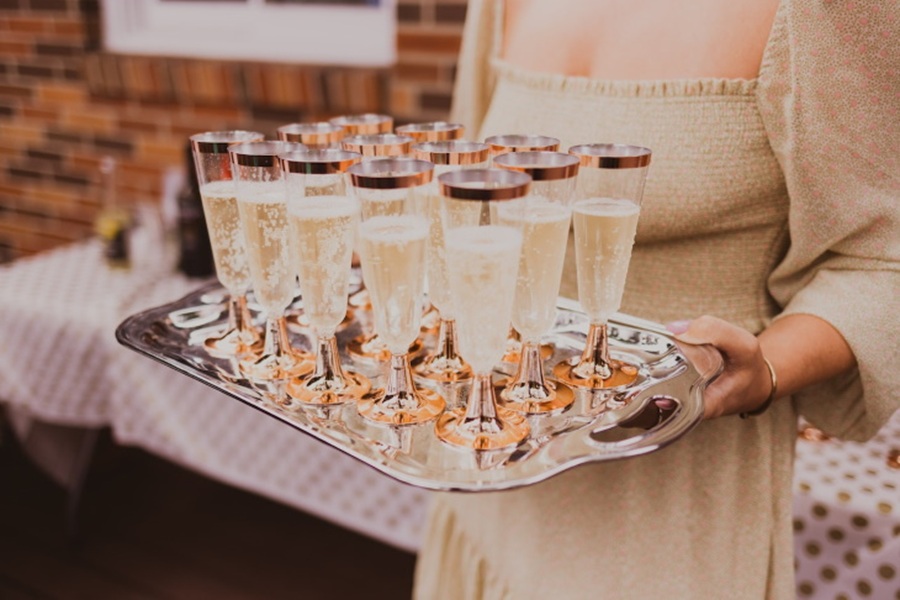
Accurate drink estimation is a critical part of event planning, especially when it comes to catering. Getting the quantities right ensures the event runs smoothly, guests are satisfied, and resources are used efficiently. Misjudging drink needs can lead to shortages that leave guests disappointed or excess that unnecessarily inflates costs and results in waste.
| Benefit | Impact |
| Guest Experience | Ensures everyone feels catered to with adequate drinks available |
| Cost Efficiency | Prevents overspending by matching quantities with actual needs |
| Sustainability | Reduces leftover waste from over-purchasing |
| Stress Reduction | Minimizes last-minute beverage shortages during key moments |
Proper drink planning directly influences how smoothly an event operates: – Bartenders can work efficiently when they aren’t managing unexpected shortages. – Waiting staff will feel confident knowing supplies are sufficient for every table. – Guests will focus on enjoying themselves rather than worrying about limited drink availability.
By allocating time early in your catering plan for calculating drink quantities based on guest count and preferences, you’re setting yourself up for a seamless experience that leaves everyone happy while staying within budget constraints.
Understanding average drink consumption per guest is essential for ensuring that your catering event runs smoothly. By estimating realistic beverage needs, you can strike the right balance between having enough drinks for everyone and avoiding unnecessary waste. This section provides a practical guide to understanding how much the average attendee might consume, based on event type and guest preferences.
| Type of Beverage | Percentage of Total Drinks |
| Beer | 40%–50% |
| Wine | 30% |
| Spirits/Cocktails | 20%–30% |
| Non-Alcoholic Drinks (e.g., soda, juice) | Adjust based on guests’ demographics; usually ~20% for all-adult events but higher if children are present. |
To further refine your estimate of drinks per person: – Consider offering both alcoholic and non-alcoholic options in balanced proportions. – Allocate additional beverages if guests are likely to stay longer than expected. – For specialty cocktails or signature drinks, prepare enough for about half your guests as not everyone will opt for these.
By keeping these guidelines in mind and tailoring them to your specific audience and event conditions, you’ll be better equipped to meet the needs of all attendees without overspending on excess inventory or running out unexpectedly.
When planning the drink quantities for a catering event, it’s essential to recognize that beverage consumption can vary widely based on several factors. Understanding these variables will help you create a more accurate estimate of the drinks needed while ensuring that guests are satisfied throughout the event.
The nature and formality of the event play a significant role in determining how much your guests will drink. For instance:
– Corporate events or meetings tend to have lower alcohol consumption and lean more toward coffee, tea, and water.
– Weddings and parties generally see higher alcohol consumption alongside non-alcoholic options like mocktails or soda.
– Outdoor events, such as garden parties, often require more hydration-focused beverages like water and lemonade due to weather conditions.
The time at which an event is held can significantly impact what types of drinks are consumed:
– Morning events typically involve lighter drinks such as coffee, tea, juice, and rarely alcoholic beverages like mimosas or Bloody Marys.
– Afternoon events often strike a balance between non-alcoholic options (e.g., iced tea) and lighter alcoholic beverages like wine or beer.
– Evening events tend to focus on cocktails, spirits, wine, and other heavier drinking preferences.
The age group and preferences of your guests also dictate drink choices:
– Younger crowds may consume more cocktails or craft beers. – Older guests might prefer wine, sparkling water, or low-alcohol drinks. – Families with children will need kid-friendly options like juice boxes or soft drinks.
It’s always wise to know your audience when planning drink quantities.
Seasonal factors influence beverage consumption significantly: – In summer months, chilled beverages—like iced tea, soda, beer, and white wine—are popular choices. Hydration becomes a priority in hot weather. – During winter, warm drinks such as hot chocolate, coffee with flavored syrups (e.g., peppermint), mulled wine, and whiskey-based cocktails gain popularity.
If hosting an outdoor event during extreme temperatures (hot or cold), prepare additional servings of weather-specific beverages.
The length of an event directly correlates with how much people will drink: | Event Length | Estimated Drinks Per Guest | |——————–|—————————-| | 1–2 hours | 2–3 beverages | | 3–4 hours | 4–5 beverages | | Over 5 hours | 6+ beverages |
For longer events that include meals (e.g., weddings), plan for additional servings per guest to accommodate for drinking during different phases (cocktail hour vs dinner vs after-party).
When food is served alongside drinks:
– Alcohol consumption rates may decrease slightly as food slows down drinking pace. However:
– Salty snacks (pretzels/chips) can encourage higher beverage intake. – Sweet desserts may pair well with champagne or dessert wines.
For alcohol-heavy menus like cocktail bars without substantial food offerings available, plan for higher-than-average alcohol consumption rates per person.
By considering these variables together—event type, timing, guest demographics, seasonality/weather conditions—you’ll gain better insight into tailoring beverage options for your specific occasion while minimizing waste or shortages.
When planning beverages for a catering event, balancing alcoholic and non-alcoholic drink options is crucial to accommodate all guests and ensure the event runs smoothly. Each type of drink plays a vital role in meeting your attendees’ preferences, so it’s important to consider how much of each to provide and the factors that will influence this balance.
| Type of Event | Suggested Ratio (Alcohol : Non-Alcohol) |
| Casual party or celebration | 2:1 |
| Corporate events | 1:1 |
| Family gatherings | 1:2 |
| Morning or brunch events | 1:3 |
Adjust these ratios depending on specific guest demographics and preferences.
When planning alcoholic beverages: – Variety matters: Offer a selection of beer, wine, and spirits to cater to different tastes. – Seasonal offerings: Choose drinks that match the season—think light beers and chilled white wines in summer versus fuller-bodied wines and warmed cocktails in winter. – Responsible consumption: Always ensure responsible drinking by having trained bartenders monitor alcohol service.
Incorporating high-quality non-alcoholic options shows thoughtfulness toward guests who don’t or can’t drink alcohol: – Offer water stations (sparkling, still, or infused with fruit) throughout the venue. – Include a range of sodas, juices, mocktails, teas, or coffee. – Provide an elevated experience with creative mocktail alternatives—think about using fresh herbs like mint or basil for flavor.
Pair both alcoholic and non-alcoholic drink selections with your food menu: – Rich dishes pair well with bold red wines or robust mocktails featuring ingredients like pomegranate juice. – Light appetizers call for crisp white wines, light lagers, or citrusy sparkling water.
By carefully considering both categories of beverages during planning—and keeping guest preferences front-of-mind—you create an inclusive atmosphere where everyone has something they can enjoy comfortably.
Running out of beverages during an event can be a source of stress for both hosts and guests. Proper planning and preparation are key to ensuring that everyone has enough to drink throughout the event, no matter its size or duration. Here are some practical tips to help you avoid running out of beverages at your next catering event.
Even with detailed estimations, unexpected situations can arise—guests may consume more than anticipated, or additional attendees might show up unexpectedly. Adding a buffer ensures you won’t run out.
| Estimated Drinks Needed | Add Buffer (10%) | Final Total |
| 1 | 20 | 220 |
| 2 | 35 | 385 |
This approach ensures you’re prepared for any surprises without overstocking excessively.
Having non-alcoholic versions of popular drinks (e.g., virgin mojitos) also adds inclusivity and reduces the pressure on limited supplies of alcohol.
Online beverage-planning calculators can save time while improving accuracy in drink estimation based on guest count, event type, duration, and drink type preferences. These tools minimize human error in calculations while providing precise estimates tailored to your specific needs.
Unused items can often be saved for future events if properly stored.
This strategy keeps lines short while ensuring everyone has access without overwhelming available supplies prematurely.
By tailoring these strategies according to your guest list size and event needs, you’ll create an enjoyable experience where everyone stays refreshed throughout—and no one has to worry about running dry unexpectedly!
Running out of beverages at an event can be a major oversight, leaving guests dissatisfied and creating unnecessary stress for hosts or caterers. Proper planning ensures every guest is accommodated, but a few extra steps can help avoid miscalculations. Below are practical tips to ensure you’re well-prepared with drink supplies for any catering event.
It’s always better to have more beverages than not enough. A good rule of thumb is to overestimate by about 10–15% of the calculated quantities. This accounts for unanticipated consumption spikes or unexpected guests.
Knowing your audience is critical to beverage planning. Different age groups, preferences, and cultural factors influence drink consumption.
– For younger adults: Expect higher consumption of cocktails or beer.
– For older guests: Wine or non-alcoholic options (like sparkling water) may see higher demand. – For family events: Stock up on soft drinks, juices, and plenty of water for children and non-drinkers.
A variety ensures that all tastes are catered to while balancing alcohol and non-alcoholic choices for inclusivity. The suggested ratio is typically 50% alcoholic beverages and 50% non-alcoholic options unless otherwise indicated by the event type (e.g., corporate functions may require more soft drinks).
| Guest Count | Water | Alcoholic Drinks | Juices/Sodas |
| 1 | 20 bottles | 50 servings | 30 servings |
| 2 | 40 bottles | 100 servings | 60 servings |
| 3 | 80 bottles | 200 servings | 120 servings |
Adjust proportions based on audience preferences.
Consider partnering with vendors who allow returns on unopened bottles or cans. This lets you restock without significant financial loss if you over-purchase items like wine or soda.
For larger-scale events like weddings or corporate gatherings, consulting an experienced caterer or bartender can help fine-tune drink estimates based on crowd size and preferences. Online calculators are another practical option; many tools allow you to input guest numbers, event duration, and drink types for accurate projections.
Having someone assigned to observe beverage levels in real-time allows adjustments before supplies run critically low.
Ways to manage this include:
1. Regularly checking coolers/bar stock levels throughout the day/night. 2. Communicating with serving staff so they alert organizers if certain drinks begin running low early.
By incorporating these strategies into your beverage planning process, you’ll reduce the chances of running out while ensuring your guests stay refreshed throughout your event—without excessive waste or expense. Thoughtful preparation makes all the difference in creating a seamless experience for both hosts and attendees alike!
When organizing a catering event, proper drink planning is critical to ensuring guest satisfaction and avoiding unnecessary expenses or logistical issues. However, mistakes in estimating or managing beverages are surprisingly common. Below are some of the most frequent beverage planning mistakes and how to prevent them.
Different events attract different types of attendees, and their preferences will significantly influence beverage consumption patterns.
– Failing to account for age groups: Younger crowds may lean toward alcoholic beverages, while older guests might prefer coffee, tea, or water.
– Forgetting dietary restrictions: Not offering non-alcoholic options or accommodating special requirements can leave certain guests without suitable drinks.
Tip: Survey your attendees beforehand if possible or adjust your menu based on the nature of your event (e.g., corporate meetings vs weddings).
While alcoholic drinks often take center stage at catered events, neglecting non-alcoholic beverages is a common mistake that could alienate guests who don’t consume alcohol due to personal preference, health reasons, or cultural factors.
Best Practices:
– Offer an equal variety of non-alcoholic options such as sparkling water, mocktails, juices, and sodas alongside alcoholic selections.
– Always ensure water stations are plentiful and easily accessible.
Events held earlier in the day generally see lower alcohol consumption compared to evening gatherings. Similarly, longer events require more careful pacing of beverage service to sustain availability throughout.
How To Adjust:
| Event Time | Example Priorities |
|——————-|—————————————————–|
| Morning | Coffee/tea stations with light juice offerings |
| Afternoon | Balanced mix of non-alcoholic drinks like waters |
| Evening | Include wine/cocktails but balance with sparkling waters |
Don’t overlook pacing—serve drinks gradually rather than flooding tables early in the event.
Providing too few options can leave guests feeling unsatisfied or overlooked if their preferences aren’t available.
Having enough staff on hand is just as important as having enough beverages stocked. Poor service can lead to long wait times at the bar or unfilled glasses during meals.
Key Considerations:
– Ensure you have one bartender for every 50–75 guests for smooth operations. – Assign servers specifically for replenishing water and clearing used glasses during seated meals.
Avoiding these common mistakes requires preparation, flexibility, and a clear understanding of your audience’s needs—and implementing these strategies will help you provide an enjoyable experience for all attendees while minimizing waste and overspending.