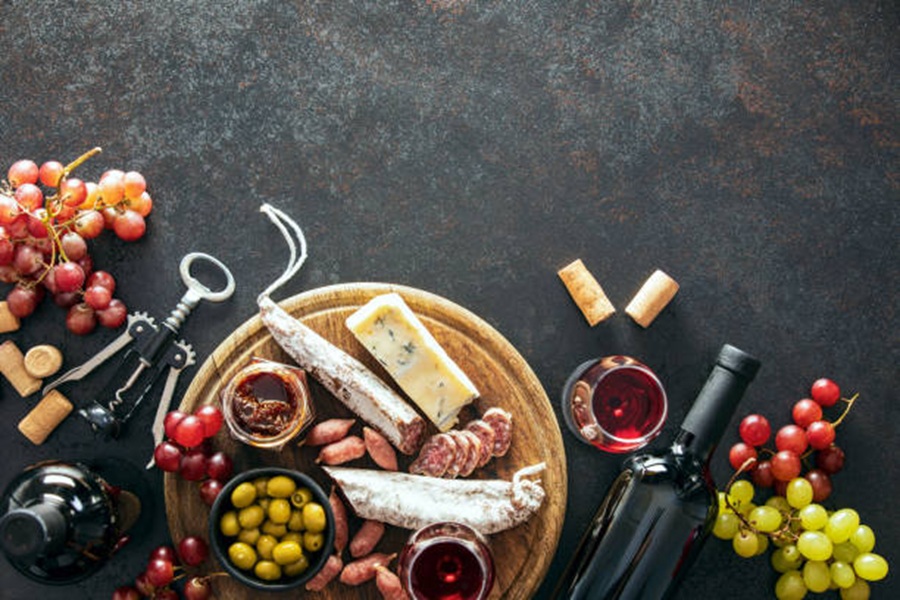
Grazing Tables: Edible Art That Sets the Mood
Grazing tables are more than just a food display; they are an experience that blends culinary art with social interaction. Often described as edible masterpieces, these tables provide a feast for both the eyes and palate. But what makes a grazing table stand out? Its ability to set the mood.
What Is a Grazing Table?
A grazing table is an abundant spread of various appetizers, snacks, and finger foods displayed creatively on a long table or surface. Unlike traditional buffet setups, grazing tables focus on visual appeal and accessibility, often featuring:
– Cheeses: A variety of soft, hard, and aged cheeses (e.g., brie, gouda, cheddar).
– Charcuterie: Thinly sliced cured meats like prosciutto, salami, and chorizo.
– Fruits: Fresh berries, figs, grapes, or dried apricots for pops of color and sweetness.
– Nuts & Seeds: Almonds, walnuts, pistachios to balance textures.
– Bread & Crackers: Artisanal slices of sourdough bread or crisp flatbreads as bases for toppings.
– Dips & Spreads: Hummus, tapenade, or creamy herb dips for added flavor diversity.
Why Grazing Tables Are Perfect for Weddings
- Visual Appeal
Well-curated grazing tables act as eye-catching centerpieces that complement your wedding theme. With thoughtful arrangements of fresh produce and vibrant ingredients placed on wooden boards or marble trays with greenery accents like eucalyptus leaves or edible flowers such as pansies—they become part of the décor.
- Guest Engagement
Grazing tables encourage mingling as guests gather around to explore the spread together. Unlike plated meals where everyone sits isolated at their designated seats during dining time—a grazing table fosters interaction.
- Flexibility in Portions
Guests can personalize their choices without feeling restricted by specific servings—perfect for those who prefer smaller bites throughout the evening rather than committing to heavier meals all at once.
- Dietary Inclusivity
You can easily customize grazing tables with options tailored toward different dietary preferences—gluten-free crackers next-to vegan-friendly hummus ensures no one feels left out!
Pro Tips for Creating Standout Grazing Tables
- Use varying heights by incorporating display elements like cake stands stacked wooden blocks ensuring a more dynamic layout. – Add personal details (mini signage card-tags) highlighting specific items especially local farm-sourced specialties giving extra connection authenticity flair!
Grazing Tables: Edible Art That Sets the Mood
Grazing tables are more than just food arrangements—they’re creative centerpieces that set the tone for your celebration. Combining culinary craftsmanship with visual artistry, these displays bring a sense of abundance and elegance to any wedding. They invite guests to mingle, delight in flavors, and enjoy a memorable sensory experience.
What Makes Grazing Tables Unique?
- Diverse Selection of Foods: A well-curated grazing table typically includes a mix of cheeses, charcuterie, fresh fruits, nuts, crackers, dips, bread, and even sweets. This offers something for every palate.
- Visual Appeal: These displays are designed to look like edible works of art. Vibrant colors, textures, and layered arrangements create an inviting display that enhances the event’s decor.
- Interactive Experience: Unlike plated meals or buffets, grazing tables encourage guests to explore different options at their own pace. It fosters mingling as people gather around the table.
Pros of Grazing Tables
- Perfect for Social Settings: Grazing tables encourage interaction among guests as they chat while sampling food.
- Flexible Timing: These setups work well for cocktail hours or as a light option prior to a formal meal.
- Customizable Themes: Whether you’re planning a rustic barn wedding or a chic modern reception, grazing tables can be tailored to suit your style.
Balancing Practicality With Elegance
| Consideration |
Why It Matters |
| Food Safety |
Ensure perishable items like cheese and deli meats are kept at safe temperatures. Use cooling trays or rotate items frequently during warmer events. |
| Portion Control |
Plan sufficient quantities so all guests have access without overwhelming waste. Aim for 5-6 bites per guest as part of an appetizer-style setup. |
| Dietary Restrictions |
Include vegan options such as hummus with veggies or plant-based cheeses alongside gluten-free crackers for those with dietary needs. |
Pro Tips for Stunning Grazing Tables
- Use Layers: Utilize risers like wooden boards or decorative platters to add height variation for visual interest.
- Add Unexpected Touches: Think edible flowers or honeycomb for added flair.
- Play With Colors: Group foods by complementary tones—like deep reds from berries next to creamy white cheeses—to create harmony on the table.
- Keep Flow in Mind: Arrange items logically so guests can easily navigate through sections (e.g., start with breads/crackers before moving into main elements like cheese).
- Local & Seasonal Ingredients: Incorporate seasonal produce sourced from local vendors—it enhances freshness while supporting small businesses.
Grazing tables offer an immersive food experience that merges style with substance when thoughtfully executed. Whether you’re hosting an intimate gathering or a grand celebration, this trend brings both sophistication and charm to your event’s culinary offerings.
Snack Walls: The Playful Crowd-Pleaser
Snack walls are an innovative, interactive, and visually striking addition to wedding receptions. They break away from traditional buffet-style setups by inviting guests to engage directly with the food display. This section explores why snack walls have become so popular for modern weddings and how they can elevate your event.
What Makes Snack Walls Unique?
- Vertical Presentation: Unlike horizontal tables or bars, snack walls use vertical space creatively, making them ideal for venues with limited floor space or those looking to create a dramatic visual impact.
- Interactive Experience: Guests get to walk up and select items themselves, adding an element of fun and engagement.
- Customizable Themes: Snack walls can be tailored to match any wedding theme or aesthetic. Whether you’re hosting a rustic celebration or a sleek modern affair, the wall’s design can align with your vision.
Ideas for Snack Wall Offerings
- Mini sliders
- Pretzel sticks with beer cheese dip
- Skewered caprese salad bites
- Mini tacos
- Popcorn in personalized paper cones
- Donuts hanging from pegs
- Cupcakes arranged on shelves
- Chocolate-dipped marshmallows on skewers
- Macaron displays in coordinated colors
- Granola bars
- Veggie cups with hummus or ranch dressing at the bottom
- Individual fruit kebabs
Using diverse options ensures there’s something for every guest’s palate.
Benefits of Snack Walls at Weddings
- Memorability: Guests are more likely to remember unique elements like a visually stunning snack wall compared to standard catering setups.
- Photo Opportunities: These artistic displays double as decor and make wonderful backdrops for candid photos.
- Encourages Mingling: By inviting guests to help themselves, snack walls encourage interaction between attendees in an informal way.
- Portion Control & Waste Reduction: Items on snack walls are typically portioned individually, helping minimize food waste while giving everyone the opportunity to try multiple items without overindulging.
Practical Considerations When Planning a Snack Wall
- Placement and Accessibility: Ensure the wall is positioned where it’s easy for guests to access without creating bottlenecks in high-traffic areas like entrances or near dining tables.
- Food Safety Concerns: Consider temperature-sensitive foods carefully if your event is outdoors or during warmer months. Items that need refrigeration (like cheese) must be managed appropriately.
- Height and Accessibility for All Guests: Make sure snacks are positioned at varied heights so children and individuals with mobility challenges can reach their favorite treats without difficulty.
| Pros |
Cons |
| Creates conversation |
May require additional setup time |
| Great decor element |
Limited variety compared to full buffet |
| Customizable designs |
Could require professional help for larger designs |
Snack walls offer flexibility, creativity, and charm that traditional catering setups might lack. They’re an excellent way to add personality and create moments of joy during your special day while keeping things practical yet stylish.
When to Say Yes And When to Skip It
Grazing tables, charcuterie bars, and snack walls may be visually stunning and trendy, but deciding whether they’re right for your wedding requires careful consideration. While these displays can elevate the experience for guests, they won’t suit every couple’s needs or event. Let’s break down when these creative food setups are worth it—and when you might want to explore alternative options.
When to Say Yes
- You’re Hosting a Cocktail-Style Reception
These food setups are perfect for mingling events where guests are free to move around rather than being tied to a seated dinner. They encourage interaction and create a relaxed atmosphere.
- You Have a Smaller Guest List
For intimate weddings with fewer attendees, grazing tables and charcuterie bars can make catering more manageable without compromising on quality or variety.
- Your Venue Allows Flexible Catering Options
If your venue doesn’t require hiring an exclusive caterer or provides flexibility in food arrangements, opting for these modern displays gives you more control over the presentation and menu.
- Visual Aesthetics Are a Priority
These displays double as décor. If you want food that makes an impression and complements your wedding aesthetic, grazing tables and snack walls deliver both culinary delight and visual appeal.
- You’re Looking for Customization Options
Charcuterie boards allow for endless customization based on dietary preferences—think vegetarian boards, gluten-free crackers, or even themed ingredients reflecting your culture or personality.
When to Skip It
- You Need Substantial Portions For Hungry Guests
While visually appealing, grazing tables and charcuterie displays are often designed as appetizers or light bites rather than full meals. If you know your guests expect hearty servings—or you don’t plan on serving additional dishes—these may leave them wanting more.
- Your Venue Is Outdoors in Warm Weather
Perishable items like cheese, meats, and fresh fruit don’t hold up well under heat. Outdoor summer weddings may require extra logistical planning (or avoidance altogether) due to spoilage risks.
- Budget Constraints Are Tight
While they look effortless, high-quality ingredients like artisan cheeses and specialty cured meats can be pricey. Additionally, hiring someone skilled in elaborate styling can add significant costs compared to traditional buffet services.
- Formal Dining Atmosphere Takes Priority
If you’re aiming for a classic sit-down dinner complete with plated courses served by waitstaff, grazing stations might feel out of place within such a structured format.
Tips for Making the Decision
If you’re unsure whether these displays align with your vision: 1. Consult with your caterer about scalability—can these options supplement other meal types? 2. Consider combining one display (e.g., snack wall) with traditional catering methods so guests have choices. 3. Assess how much time guests will spend at the reception; shorter events typically favor lighter dining setups. 4. Work backward from what matters most: guest experience versus formality versus budget constraints.
By understanding their strengths—and their limitations—you’ll know exactly when grazing tables or similar stylish food presentations deserve a spot at your celebration.
The Style Factor: It’s Not Just the Food, It’s the Display
When it comes to grazing tables, charcuterie bars, and snack walls, the food itself is only part of the story. The visual presentation plays an equally significant role in creating a memorable experience for your wedding guests. These displays are more than just edible arrangements—they are conversation starters, design focal points, and reflections of your personal style as a couple.
Setting the Tone with Aesthetic Appeal
- Rustic or Boho Weddings: Wooden boards, greenery garlands, and copper accents complement an earthy vibe.
- Modern Elegance: Sleek marble slabs, metallic trays, or monochromatic color schemes elevate sophistication.
- Whimsical Themes: Pastel plates and colorful props make snack walls playful and inviting.
Additionally, incorporating seasonal touches—such as autumnal leaves for fall weddings or citrus fruits for summer events—adds a personalized touch.
Beyond Plates: Creative Display Elements
- Tiered stands create layers and height variation on grazing tables.
- Pegboards are perfect for hanging donuts or pretzels on snack walls in an accessible yet attractive way.
- Transparent acrylic trays provide a clean look without distracting from the food itself.
- Natural elements like slate tiles or driftwood can act as serving bases to tie into outdoor settings.
By thinking outside the box when choosing display tools and textures, you create something that feels fresh and distinctive.
Color Coordination that Draws Attention
| Color Palette |
Suggested Foods |
| Warm Neutrals |
Brie cheese wheels, figs, almonds |
| Bright & Punchy |
Raspberries, cherry tomatoes |
| Earthy Tones |
Grapes (green/purple), olives |
When done thoughtfully, these palettes ensure that each item contributes not only to flavor but also to aesthetic harmony.
Lighting: A Subtle Game-Changer
- String Lights: Add warmth around rustic displays.
- Spotlights: Highlight key sections without overwhelming.
- Candles: Introduce romance with soft flickering light.
Paired with reflective surfaces like mirrors or glass trays beneath items on display tables, lighting enhances depth while maintaining elegance.
Making Your Display Instagram-Worthy
In today’s digital age where guests love sharing their experiences online, an eye-catching setup can encourage photo-worthy moments. Ensure details like clean edges (no crumbs spilling over), symmetrical layouts (when appropriate), or unique centerpieces (like carved watermelon bowls) elevate every angle of your presentation.
By considering not just what you serve but how you serve it—with attention to visual impact—you’ll turn simple snacks into unforgettable design statements at your wedding.
The Style Factor: It’s Not Just the Food, It’s the Display
When it comes to grazing tables, charcuterie bars, and snack walls, the display is just as important as the food itself. Presentation plays a crucial role in impressing your guests and creating a memorable experience. A well-thought-out design can elevate even simple snacks into something extraordinary. Let’s explore how you can curate a visually stunning arrangement that doubles as a conversation starter.
Color Palette and Theme Coordination
- Match Your Wedding Aesthetic: Consider your wedding theme—rustic, modern, bohemian, or classic—and align the colors and materials of your grazing setup accordingly.
- For example, a rustic wedding pairs beautifully with wooden boards, earthy tones like sage or terracotta, and natural greenery.
- Modern weddings might benefit from sleek white platters, metallic accents (gold or silver), and geometric arrangements.
- Play with Food Colors: Use foods with vibrant natural hues to create visual interest:
- Deep reds from cured meats
- Bright yellows from cheeses like aged cheddar
- Greens from fresh herbs or olives
- Pops of purple or pink from grapes or edible flowers
Levels and Dimensions Matter
Flat displays often appear underwhelming. Incorporate height variations and textures to make the table more dynamic: – Use cake stands, tiered trays, or wooden crates to add elevation. – Include both horizontal spreads (flatbread crackers) and vertical elements (breadsticks in jars). – Arrange items in clusters rather than straight lines for a more organic look.
| Element |
How to Elevate Display |
| Serving Boards |
Use wooden boards for warmth; slate for elegance |
| Decor |
Add candles for ambiance; incorporate florals sparingly |
| Textures |
Mix smooth surfaces (plates) with textured fabrics (linen) |
Thoughtful Details Make All the Difference
- Labels: Elegant signage helps guests navigate options effortlessly. Handwritten chalkboard labels are great for rustic setups, while printed calligraphy cards suit formal themes.
- Edible Decor: Garnish with sprigs of rosemary, lavender stalks tied with twine, or seasonal fruit slices to add charm without cluttering space.
- Interactive Elements: Create an engaging experience by adding personal touches like mini tongs for serving individual portions or small bowls of dipping sauces placed conveniently.
Don’t Forget Practicality
While aesthetics are key, maintaining functionality ensures guests can enjoy what you’ve created: – Ensure enough serving utensils are spread across the display to avoid crowding. – Space out similar items so multiple people can serve themselves at once without bottlenecks forming. – Avoid overly fragile decor elements that could get damaged during service.
A well-styled grazing table doesn’t just feed your guests; it reflects a thoughtful attention to detail that enhances your entire event. By balancing artistry with practicality, these displays become more than just food—they transform into an integral part of your wedding atmosphere.
Let’s Design a Grazing Experience Worth Remembering
Designing a grazing experience that leaves an impression involves more than just selecting the right food—it’s about creating a sensory event that combines aesthetics, taste, and functionality. Whether you’re organizing a wedding reception or another special event, crafting an unforgettable grazing setup requires thoughtful planning and attention to detail. Here’s how to design one that stands out in both presentation and practicality.
Understand Your Guests’ Preferences
Before diving into the design process, take time to understand your guests’ preferences. A successful grazing display is one that feels personalized and inclusive.
- Dietary needs: Include options for common dietary restrictions such as vegetarian, vegan, gluten-free, and nut-free choices.
- Flavors: Balance savory, sweet, salty, and tangy flavors to cater to diverse palates.
- Cultural influences: Consider incorporating regional specialties or cultural favorites that reflect you as a couple or the overall theme of your wedding.
Create Visual Balance
The visual aspect of your grazing table is just as important as the food itself. Aim for an arrangement that grabs attention while inviting interaction.
- Layered heights: Use trays, cake stands, crates, or tiered boards to add varying levels of height across the table.
- Color harmony: Incorporate fruits (e.g., berries, grapes), vegetables (e.g., rainbow carrots), dips (e.g., beet hummus), and garnishes (e.g., edible flowers) for vibrant pops of color.
- Natural elements: Use wooden boards, marble slabs, or slate platters for texture; leafy greens like kale can serve as decorative fillers between dishes.
| Layer Type |
Examples |
Purpose |
| Base Layer |
Wooden boards or linens |
Sets the tone; defines layout |
| Mid-Level Props |
Bowls & trays |
Holds dips & smaller items |
| Decorative Garnish |
Edible flowers & herbs |
Adds aesthetic appeal |
Highlight Seasonal Ingredients
- In spring: Opt for fresh asparagus tips, radishes, strawberries.
- In summer: Include juicy melons like cantaloupe or watermelon alongside cucumbers and cherries.
- In fall: Showcase figs paired with spiced nuts and hearty cheeses like aged cheddar.
- In winter: Feature pomegranates with dark chocolate pieces and rosemary-infused crackers.
This approach adds intentionality to your choices while keeping costs manageable if sourced locally.
Add Interactive Elements
- DIY stations: Provide small jars of honeycomb pieces or mini jam jars so guests can customize their bites.
- Serving utensils: Offer mini tongs or cheese knives at different sections for easy self-service without cross-contamination.
- Labeling: Use handwritten chalkboard signs or printed tags near specialized items such as “truffle-infused brie” or “gluten-free crackers.”
Pair Food with Drinks Thoughtfully
For example: – Sharp cheeses pair beautifully with crisp white wines like Sauvignon Blanc. – Sweet fruits like figs are enhanced by dessert wines such as Moscato. – Charcuterie meats work well alongside robust red wines like Merlot.
Alternatively: Non-alcoholic pairings could include herbal teas (chamomile next to mild cheeses) or sparkling waters infused with citrus slices beside lighter snacks.