Online
Reservation
Integer congue malesuada eros congue varius. Sed malesuada dolor eget velit pretium. Etiam porttitor finibus. Nam suscipit vel ligula at dharetra
Integer congue malesuada eros congue varius. Sed malesuada dolor eget velit pretium. Etiam porttitor finibus. Nam suscipit vel ligula at dharetra

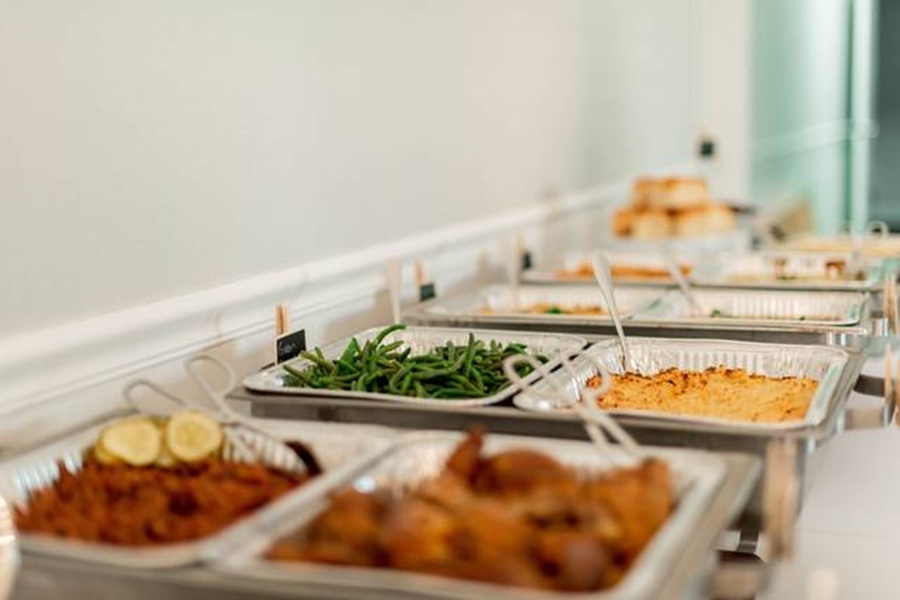
Adequate portion planning is a cornerstone of successful catering, as it ensures that every guest is satisfied while minimizing food waste and managing costs effectively. Whether catering for a small gathering or a large corporate event, proper portion planning strikes the balance between abundance and efficiency, demonstrating professionalism and care on every level.
| Common Issues | Implications |
| Food shortages | Leads to dissatisfied guests and potential reputation damage |
| Food waste | Increases costs unnecessarily; environmentally unfriendly |
| Budget overruns | Overspending on excess ingredients strains finances unnecessarily |
| Stressful events | Forces last-minute changes; creates additional pressure on staff |
| Type | Pros | Challenges |
| Buffet Service | Guests serve themselves; flexible | Requires overestimating slightly |
| Plated Meals | Controlled portions per person | Requires precise head-count |
Catering professionals must tailor their approach depending on these service styles while ensuring accurate meal proportions align with event goals.
By understanding the importance of thoughtful portion planning in catering, you can deliver seamless events that delight guests while remaining cost-effective and sustainable—core priorities for any successful caterer.
When planning catering for an event, it’s essential to understand the standard portion sizes per guest. These guidelines ensure that everyone has enough to eat while minimizing waste and controlling costs. The portions vary depending on the type of meal being served—whether it’s a buffet, plated dinner, or hors d’oeuvres—and the category of food being offered. Below is an organized breakdown of standard portion sizes for different food types.
Starches such as rice, pasta, or potatoes are crowd favorites and help make meals more filling.
– Rice or grains: 1 cup cooked (approximately 5 ounces) per person
– Potatoes: About 6 ounces cooked per person
– Pasta: – As a side dish: 4 ounces uncooked pasta (yields about 1 cup cooked)
– As an entrée: Plan for approximately double this amount
Bread is often served as a complementary item during meals but shouldn’t be overestimated to avoid waste.
– Plan for 1.1 rolls or slices of bread per guest, especially if there are additional starches on the menu. For events with dips or spreads, you may increase this slightly to accommodate demand.
The number of appetizers needed depends on event timing and whether hors d’oeuvres are served as the main offering or alongside a meal. – For cocktail-style events (with no main course): Plan for 8–12 pieces per guest over two hours
– As a starter before a full meal: Provide 4–6 pieces per guest
For desserts, consider variety and portion control to prevent excessive leftovers while ensuring satisfaction.
– Cake slices or individual desserts like tarts/cupcakes: Plan for 1 slice/dessert piece per guest
– Cookies or small pastries: Offer about 2–3 pieces per guest
| Food Category | Portion Size Per Guest | Notes |
| Protein | 5–8 oz | Adjust based on buffet vs plated |
| Cooked Vegetables | 4–6 oz | One serving |
| Raw Vegetables | ~1 cup | Salad or crudité |
| Rice/Grains | ~1 cup cooked | |
| Pasta | ~4 oz uncooked | Side dish |
| Bread/Rolls | ~1.5 rolls/slices | Increase slightly with dips/spreads |
| Hors D’oeuvres | ~8–12 pieces | Cocktail event |
| Desserts | ~1 slice/item | Adjust based on variety provided |
By sticking to these standardized portion sizes during an event’s planning phase, caterers can ensure balanced dishes and plenty of food without unnecessary costs due to over-preparation. Remember that cultural cuisine preferences and dietary restrictions may affect these standards slightly—always remain flexible to account for your event’s specific needs.
When planning catering portions for an event, several factors can influence the amount of food you need to prepare. These variables are crucial to ensuring that every guest is satisfied without significant food waste. Below, we explore the primary considerations and how they can impact your portion calculations.
The nature and length of your event significantly affect food requirements. A formal sit-down dinner has different portion needs compared to a casual cocktail party with finger foods.
| Event Type | Portion Considerations |
| Sit-down dinner | Larger portions; typically 3-5 courses |
| Cocktail party | Smaller bite-sized servings; higher variety |
| All-day events | Include snacks or grazing tables for continuous sustenance |
| Event Type | Key Considerations |
| Corporate lunch | Focus on easy-to-eat items; anticipate dietary restrictions like gluten-free or vegan requests |
| Weddings | Account for appetizers during cocktail hour plus dessert after the main meal |
| Holidays | Traditional foods can have greater demand; plan extra servings for seasonal favorites |
By carefully evaluating these variables before finalizing your catering plan, you can ensure accurate portioning that satisfies all attendees while minimizing waste and costs effectively.
When planning catering portions, understanding how to calculate portions for various types of meals is crucial. Whether you’re organizing a buffet, plated dinner, or cocktail event, each meal style requires distinct calculations based on food type, serving style, and guest preferences. Below is a comprehensive approach to determining appropriate portions for different types of meals.
Example Calculation Table:
| Food Item | Portion Per Person | Total for 50 Guests | |—————-|————————|———————–| | Main Dish | 1.25 servings | ~63 servings | | Leafy Salad | 3 oz | ~12 lbs | | Pasta Salad | 4 oz | ~13 lbs | | Bread/Rolls | 1 roll | ~50 rolls |
Plated meals allow little room for improvisation during service, so ensure clear communication with your kitchen staff about exact quantities.
Pro Tip: Divide offerings into categories such as proteins (mini sliders), carbs (bruschetta), and vegetables (skewered veggies) to cater to various preferences.
Key guidelines include: – Proteins: About 5–7 ounces per person. – Sides/Vegetables: Plan roughly the same amount as buffets — around 4–6 ounces per side dish. – Allow some buffer since guests may serve themselves larger portions when dishes are passed around.
If desserts are served buffet-style alongside other courses: – Provide a selection where each guest can sample at least two items. – Example: For cupcakes or cookies, plan two pieces per guest; for cakes requiring slicing, allocate about one slice each.
Tip: Label desserts clearly so guests can quickly choose their favorites without lingering too long at the station.
By calculating portions tailored to the meal type you’re serving—buffet, plated dinners, cocktail receptions—you ensure that everyone leaves satisfied while minimizing waste. Accurate portioning fosters a seamless catering experience that balances abundance with efficiency.
Understanding your guests’ needs and preferences is crucial when planning catering portions. Not all events are the same, and guest demographics play a significant role in determining how much food you should prepare. From age groups to dietary restrictions, tailoring portion sizes based on these factors ensures guest satisfaction and minimizes food waste. Below, we’ll explore key considerations and strategies for adjusting catering portions effectively.
Different age groups often have varying appetites and preferences: – Children: Young children typically eat smaller portions than adults. Plan for half the serving size of an average adult per child. – Teenagers: Teenagers tend to have bigger appetites, especially for high-energy foods like pasta, pizza, and protein-rich options. Factor in slightly larger servings for this group. – Seniors: Seniors may prefer lighter meals or smaller portions compared to younger adults. Consider including soft-textured food options as well.
While individual appetites vary widely among all genders, research shows that men tend to eat slightly larger portions than women on average. For mixed-gender groups: – Prepare a balanced mix of regular-sized servings. – If you estimate demand based on gender proportions at the event (e.g., a mostly male group), increase quantities of hearty dishes like proteins or starches.
Event attendees may have cultural or regional food preferences that influence portion planning: – Guests from cultures where communal dining is common often expect variety but may take smaller portions of each dish. – Regional cuisines with heavy spices or rich flavors might require complementary lighter sides to balance the meal.
Always accommodate dietary needs to ensure inclusivity: – Offer ample vegetarian or vegan options if a significant percentage of guests follow plant-based diets. – Provide gluten-free choices for those with celiac disease or gluten intolerance. – For guests with particular allergies (e.g., nuts or dairy), clearly label dishes and prepare alternatives where possible.
| Dietary Need | Example Dishes | Portion Notes |
| Vegetarian/Vegan | Roasted vegetable platters, lentil stew | Plan for 15–20% of guests |
| Gluten-Free | Rice-based dishes, grilled chicken | Include at least one entrée option |
| Allergies | Nut-free salads, dairy-free desserts | Label clearly and avoid cross-contamination |
The type of event can also impact portion sizes: – For activity-heavy gatherings like weddings with dancing, increase protein-rich snacks and meals as attendees will likely burn more calories. – Sedentary events such as seminars may require fewer calories overall; focus on lighter fare like wraps or salads.
If you’re catering an event where guest demographics vary widely, consult with your client about their expectations regarding attendee breakdowns (e.g., family reunions vs corporate lunches). This insight helps you accurately calculate portions tailored to specific groups.
Adjusting catering quantities based on demographics ensures every guest feels included while reducing potential waste—a win-win approach that leaves everyone satisfied. Properly assessing these factors can transform a good catering experience into an exceptional one that accounts for diverse needs and appetites seamlessly.
Portion guides serve as invaluable tools for catering professionals, helping to strike the perfect balance between providing enough food for guests and minimizing waste. By utilizing these guides, you can ensure that the event runs smoothly, costs remain under control, and guests leave satisfied. Whether you’re catering a wedding, corporate event, or casual gathering, here’s how to effectively use portion guides.
Portion guides are pre-defined recommendations for serving sizes based on factors such as the type of food being served (appetizers, entrees, desserts) and the type of event. These guides often break down portions into easily measurable quantities—such as ounces per person—and can be tailored to fit your specific guest count.
For example: – Appetizers (before a full meal): 4-6 pieces per person. – Main proteins (meat or fish): 6-8 ounces per adult. – Side dishes: 4-6 ounces per side dish. – Desserts: 1 slice of cake or 2 small servings of other sweets per guest.
Here’s why relying on portion guidelines is a smart choice: – Reduces the risk of running out of food during events. – Cuts down on excess waste by avoiding over-preparation. – Makes planning more efficient and cost-effective by allocating resources appropriately. – Enhances guest satisfaction with well-thought-out servings.
| Food Category | Suggested Serving Per Person | Notes |
| Protein (e.g., chicken, fish) | 6–8 oz | Adjust if offering multiple protein options |
| Vegetables | 4 oz | Consider seasonal produce |
| Starches (e.g., rice) | 5–6 oz | Popular choice for filling sides |
| Desserts | 1 slice cake/2 small servings | Include variety if space allows |
To enhance your success in planning with portion guides: – Build in a buffer: Prepare an additional 5% more portions than needed—this accounts for unexpected guests or extra-hungry attendees. – Track trends from past events: Use historical data if available to identify patterns in consumption. – Adapt portions seasonally: Guests might eat smaller amounts during summer events compared to colder seasons where hearty meals are preferred.
By leveraging portion guides effectively, caterers can achieve precision in menu planning while maintaining flexibility to meet individual event needs.
Effective portion planning is a cornerstone of successful catering events. Portion guides act as roadmaps, helping caterers and hosts determine the right quantities of food and beverages for their guests. Without a reliable guide, it’s easy to overestimate or underestimate requirements, which can lead to food waste or leaving guests unsatisfied. Below are practical insights into using portion guides effectively.
| Meal Type | Main Protein (per person) | Side Dishes (per person) | Desserts/Breads (per person) |
| Buffet | 5-6 oz | 2-3 side dishes (~4 oz each) | 1 dessert; 1 roll |
| Plated Dinner | 6-8 oz | 2 sides (~4 oz each) | Optional dessert |
| Cocktail Reception | 8-12 appetizers total | N/A | N/A |
For beverages:
– Plan for 1 drink per guest per hour, adjusting for alcohol preferences or event timing. For an average three-hour event, this would mean three drinks per person.
By adhering to these steps and consulting reliable portion benchmarks tailored to your specific event type, you can reduce stress while ensuring a balanced approach between abundance and waste reduction.