Online
Reservation
Integer congue malesuada eros congue varius. Sed malesuada dolor eget velit pretium. Etiam porttitor finibus. Nam suscipit vel ligula at dharetra
Integer congue malesuada eros congue varius. Sed malesuada dolor eget velit pretium. Etiam porttitor finibus. Nam suscipit vel ligula at dharetra

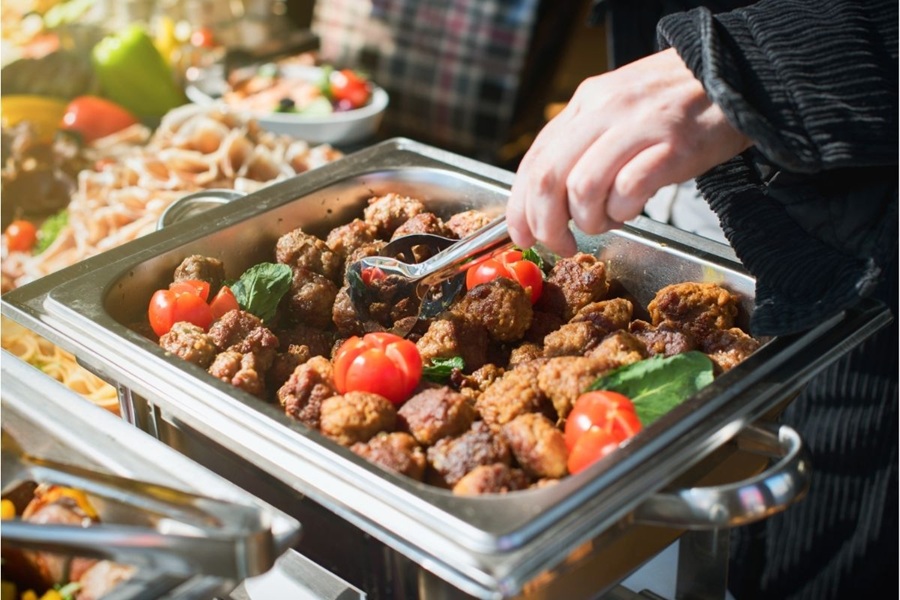
Planning the right amount of food for a buffet can feel overwhelming, especially when you are catering to 100 guests. The key to success lies in carefully calculating portions to ensure there’s enough variety while minimizing waste. Here’s a detailed guideline on understanding buffet portions per person so you can confidently cater your event.
When determining buffet portions, several factors should be considered:
– Time of Day: Guests tend to eat more during dinner events compared to lunch or brunch.
– Guest Demographics: Younger, active guests or those with hearty appetites may consume more than older or less active attendees.
– Menu Variety: Offering many dishes encourages people to sample more items, increasing overall consumption.
– Event Duration: Longer events often mean guests will return for second or third servings compared to shorter gatherings.
| Food Category | Serving Size per Guest | Total for 100 Guests | Notes |
| Proteins (e.g., chicken, beef) | 6–8 ounces | 37.5–50 pounds | Adjust based on type of protein and number of mains offered. |
| Starches (e.g., rice, pasta) | 4–6 ounces | 25–37.5 pounds | Consider cultural preferences and variety available. |
| Vegetables/Salads | 4–6 ounces | 25–37.5 pounds | Offer at least two options for balance and dietary needs. |
| Bread/Rolls | 1–2 pieces | 100–200 pieces | Include butter or spreads for variety. |
| Appetizers | 4–6 bites (total) | Varies by type | Plan approximately 3 options per guest during cocktail hour. |
| Desserts | 1 serving | Around 100 servings | Provide a mix of small sweets and plated desserts if possible. |
To avoid over-preparation in one category and shortages in another: – If serving multiple main dishes, reduce the portion size of each protein slightly since guests will likely sample more than one. – Offering an abundant selection of sides can reduce the perceived need for larger portions of proteins. – Ensure desserts are varied but not excessive—miniature servings like cupcakes or tartlets are great options.
It’s always better to err on the side of caution when catering large numbers, but overestimating significantly can lead to unnecessary costs and waste: – Plan based on accurate RSVPs whenever possible. – Prepare storage containers ahead of time if leftovers are likely. – Consider donating excess food if local regulations allow it.
By thoughtfully assessing portion sizes using these guidelines, you’ll strike the right balance between abundance and practicality while leaving your guests satisfied without excess waste.
When planning a buffet for 100 guests, determining the right amount of main dishes is essential to ensure everyone is satisfied without excessive leftovers. The key lies in balancing variety, portion sizes, and dietary preferences.
| Dish Type | Portion Per Person | Total for 100 Guests |
| Meat/Protein | 5-6 ounces | 31-38 pounds |
| Vegetarian Options | 4-5 ounces | 25-32 pounds |
| Starches (e.g., rice, pasta) | 4-6 ounces | 25-38 pounds |
| Mixed Casseroles | 8 ounces | ~50 pounds |
For example: – If offering roasted chicken as one main dish alongside a vegetarian baked ziti: – You might prepare approximately 60 pounds of chicken (accounting for bones) and 30 pounds of baked ziti, ensuring enough food even if some guests try both.
To round out the buffet menu: – Mashed Potatoes (~30 lbs) and Steamed Vegetables (~25 lbs).
This distribution ensures variety while keeping portions manageable across all categories.
By understanding these calculations and principles, you can confidently plan mains that satisfy your guests while minimizing waste or shortages at your event.
When planning appetizers and desserts for a buffet serving 100 guests, variety, portion size, and the overall theme of the menu must be carefully considered. These components often set the tone for your event, as they are typically the first and last things your guests taste.
For example: | Food Item | Quantity Per Guest | Total Amount for 100 Guests | |———————|——————–|—————————–| | Bite-sized appetizers | 6-8 pieces | 600-800 pieces | | Small dessert servings | 3 portions | 300 servings |
When choosing quantities within these categories: – Offer at least four different appetizer types. – Ensure there’s an even mix of meat-based and vegetarian/vegan options.
If you’re working with a limited budget: – Stick to versatile options like cookies and brownies that can easily be made in bulk. – Use seasonal fruits in desserts to reduce costs while maintaining flavor quality.
How you present appetizers and desserts affects the overall dining experience for your guests: – Use tiered trays or elevated platters to create visual interest on the buffet table. – Group items by type but ensure easy access from multiple angles to prevent crowding at one spot on the table. – Label items clearly if they contain common allergens like nuts or dairy.
By carefully considering portions and presenting an appealing mix of appetizers and desserts tailored to your event theme, you’ll ensure your guests leave satisfied without unnecessary food waste.
When planning beverages for a buffet serving 100 guests, it’s essential to ensure that everyone is well catered to in terms of variety, quantity, and presentation. Beverages are often overlooked in buffet planning, but they play a key role in the overall guest experience. Below is a guide to help you plan beverages efficiently for your event.
| Beverage Type | Quantity Needed |
| Water | ~15 gallons |
| Soft Drinks | ~200–300 cans |
| Juice/Iced Tea | ~10 gallons |
| Coffee | ~5 gallons |
| Wine | ~50 bottles |
| Beer | ~150–200 servings |
Planning beverages thoughtfully ensures every guest feels cared for while preventing unnecessary waste. Keep track of popular choices during smaller events beforehand to refine your estimates further.
Effective buffet planning requires thoughtful preparation to ensure guests have a satisfying experience while minimizing food waste. Below are actionable tips for organizing a buffet for 100 guests, focusing on variety, portion control, and presentation.
A successful buffet includes dishes catering to diverse tastes and dietary needs. Aim to provide a mix of proteins, starches, vegetables, and desserts. Here’s how you can structure your menu:
– Main Proteins (2-3 options): Include at least one meat option (e.g., chicken or beef) and one vegetarian alternative (e.g., grilled vegetables or lentil dishes). For variety, consider offering seafood as an additional option.
– Starches (1-2 options): Offer versatile items like rice, pasta, or potatoes that pair well with different main dishes.
– Vegetables (1-2 options): Include steamed or roasted seasonal vegetables alongside fresh salads to add texture and freshness.
– Desserts: Provide at least two dessert options—one lighter choice like fruit salad and one indulgent treat such as chocolate cake.
Understanding portion sizes is essential for avoiding over-preparation or running out of food mid-event. A general guide for 100 guests:
| Food Category | Portion Per Guest | Total Quantity Needed |
|———————–|——————-|————————|
| Proteins | 6-8 oz | 37.5–50 lbs |
| Starch | 4-6 oz | 25–37 lbs |
| Vegetables | 4 oz | ~25 lbs |
| Desserts | 2 small servings | ~200 portions |
Dietary restrictions are common among large groups. To accommodate everyone:
– Label all dishes clearly with ingredients to help guests identify allergens (e.g., nuts, dairy, gluten).
The way you organize the buffet table impacts both guest satisfaction and flow:
– Arrange foods in the order they are typically consumed: plates first, followed by salads/appetizers, main courses with sides, and desserts last. – Ensure there’s sufficient space between each dish so multiple guests can serve themselves simultaneously. – Position utensils conveniently near their corresponding dishes.
Monitor portions during the event to limit waste without under-serving your guests: – Use smaller serving trays that can be refilled frequently rather than overloading large platters. – Save leftovers safely by storing them in airtight containers within two hours of serving.
A visually appealing buffet elevates the dining experience: – Use tiered stands or risers for height variation on the table. – Garnish dishes with fresh herbs or edible flowers for added color.
Organizing a buffet for 100 guests may seem intimidating, but careful planning can ensure a smooth and enjoyable experience for everyone. Below are key tips to help you manage the event effectively, from food preparation to guest satisfaction.
| Food Type | Amount Per Person | Total for 100 Guests |
| Main Dish (meat/fish) | 6-8 oz | ~50 lbs |
| Side Dishes | 4-6 oz each (2-3 options) | ~25 lbs per side dish |
| Salad | 1 cup | ~6 gallons |
| Bread/Rolls | 1-2 pieces | ~120 rolls |
| Dessert | 1-2 servings | ~150 portions (variety) |
Tip: Always account for unexpected extra servings by adding a buffer of about 10% more food.
For hot foods like soups or meats, use chafing dishes or warming trays with sterno burners to maintain safe serving temperatures throughout the event.
Use visible labels so guests with allergies can identify suitable dishes easily.
Additionally, keep backup serving utensils such as tongs and ladles in case they’re needed during the event.
This keeps everything running smoothly while allowing you time to interact with your guests.
By following these practical tips step-by-step during your planning process, you’ll ensure an organized event where both hosts and guests can enjoy themselves stress-free.
Planning a buffet for 100 guests can feel like a daunting task, but with the right approach and preparation, it can be a seamless and enjoyable experience. Proper organization ensures that you have enough food without excessive waste, accommodates guest preferences, and creates an inviting atmosphere. Below are practical tips to help you successfully plan your buffet.
An effective menu is the cornerstone of any successful buffet. Consider these key factors when planning: – Balance: Include a variety of dishes to cater to different preferences, such as vegetarian options, gluten-free dishes, or kid-friendly items. – Diversity: Offer a mix of hot and cold dishes, proteins, starches, vegetables, and desserts for variety. – Seasonality: Use ingredients that are in season to ensure freshness and cost savings.
| Category | Example Dishes | Quantity Needed (for 100 guests) |
| Proteins | Chicken skewers, grilled fish | ~60 lbs |
| Starches | Pasta salad, roasted potatoes | ~30 lbs |
| Vegetables | Steamed seasonal veggies | ~25 lbs |
| Desserts | Mini cupcakes, fruit tarts | ~150 pieces |
When deciding how much food is needed: – Allocate approximately 1 pound of food per guest, accounting for combined starters, main courses, sides, and desserts. – Adjust quantities based on the mix of light vs. heavy eaters in your group. – Expect that guests will generally consume more appetizers during longer events or if alcohol is served.
The way you set up your buffet affects not only flow but also food safety: – Placement: Position popular items (like proteins) at the end of the buffet line so guests don’t overload their plates too early. – Traffic Control: Create multiple serving stations or designate separate tables for beverages and desserts. This reduces congestion. – Labeling: Clearly label dishes with small cards indicating names and allergens to assist guests in making informed choices.
To avoid over-preparation while ensuring no one goes hungry: 1. Confirm RSVPs early so you can calculate portions accurately. 2. Encourage controlled servings by using smaller plates; guests can always return for more if needed. 3. Partner with local organizations to donate leftover food when permissible.
A significant aspect of buffets is beverage service: – Provide both alcoholic (if applicable) and non-alcoholic options such as water dispensers infused with citrus slices or herbal teas. – Stock about 1 drink per person per hour but adjust based on event length—plan around 200–300 drinks total for six hours.
Even self-service buffets require support staff: – Assign individuals to refill empty trays promptly and maintain cleanliness around the serving area. – Consider employing bartenders if offering an open bar or specialty drinks.
Buffet presentation matters just as much as taste: – Use chafing dishes and tiered trays to enhance visual interest while keeping hot foods warm or cold ones chilled. – Incorporate greenery or decorative elements like candles or seasonal flowers near serving areas without obstructing access.
By focusing on careful planning across menu design, portion sizes, setup logistics, waste management strategies, beverage service considerations, staffing needs—and not overlooking aesthetics—you’ll set yourself up not only for success but also for memorable guest satisfaction.