Online
Reservation
Integer congue malesuada eros congue varius. Sed malesuada dolor eget velit pretium. Etiam porttitor finibus. Nam suscipit vel ligula at dharetra
Integer congue malesuada eros congue varius. Sed malesuada dolor eget velit pretium. Etiam porttitor finibus. Nam suscipit vel ligula at dharetra

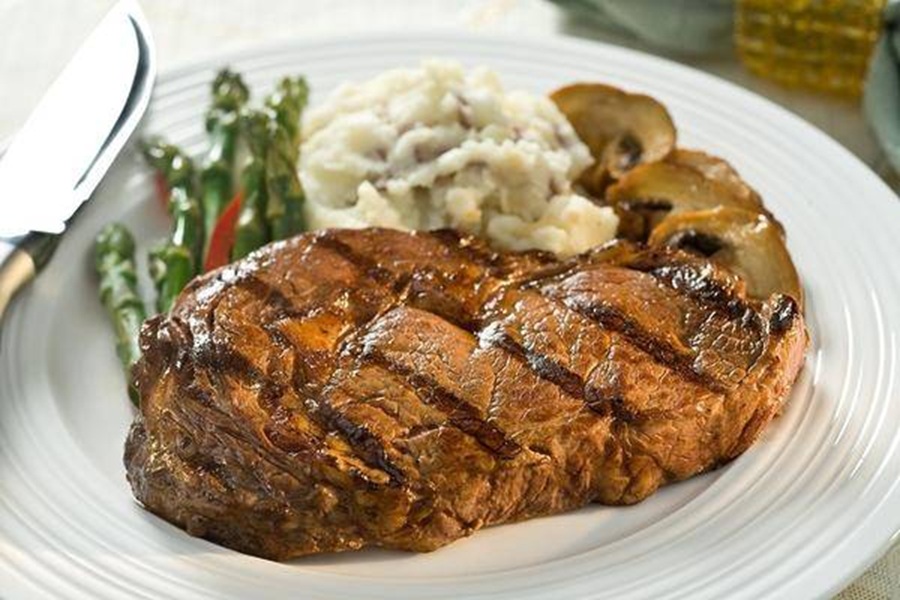
Accurate portion planning is essential when catering any event, whether it’s a small gathering or a large-scale celebration. The success of your event largely hinges on whether guests leave feeling satisfied, which means providing enough food without over- or underestimating the quantities. Proper planning ensures that you not only meet expectations but also stay within budget and minimize waste.
Providing the right amount of meat per person ensures that your guests feel well-fed and cared for. Running out of food can lead to dissatisfaction, while having too much leftover can suggest poor planning. By accurately calculating portions, you create a positive dining experience for everyone.
Meat is often one of the most expensive components on any catering menu. Overestimating portions can lead to unnecessary expenses, while underestimating may force last-minute purchases at higher costs. With precise planning, you can balance quality and quantity without exceeding your budget.
Food waste is a critical issue in the catering industry. Over-ordering meat often leads to significant leftovers that may go uneaten, contributing to environmental waste and financial loss. Thoughtful portion planning not only minimizes excess but also aligns with sustainable practices.
Every event has its unique mix of attendees, some of whom may have specific dietary preferences or restrictions. Accurate portioning allows you to account for these factors by balancing the meat options with non-meat alternatives (e.g., vegetarian or vegan dishes). This ensures inclusivity without overcompensating on meat quantities.
| Event Type | Average Meat Serving Per Person | Notes |
| Formal Dinner | 6–8 ounces | Plated meals typically limit excess |
| Buffet Style | 8–10 ounces | Guests often take second helpings |
| BBQ Party | 12–16 ounces | Larger portions expected at casual events |
By taking these steps into account, caterers can deliver a seamless dining experience while controlling costs and reducing waste effectively.
Accurate portion planning plays a critical role in catering, as it ensures that every guest is satisfied while avoiding unnecessary waste. This process not only saves you money but also contributes to a more organized and enjoyable event. Whether you’re hosting an intimate dinner party, a corporate gathering, or a wedding reception, proper portion planning helps caterers and hosts deliver a seamless dining experience.
| Event Type | Meat Per Person (Boneless) | Meat Per Person (Bone-In) |
| Formal Dinner | 6-8 oz | 10-12 oz |
| Buffet with Sides | 5-6 oz | 8-10 oz |
| Backyard BBQ | 8-10 oz | 12-16 oz |
By investing time upfront to calculate accurate portions, you create an event where food isn’t just abundant—it’s thoughtfully planned and well-executed. This process not only reflects positively on your culinary expertise but also fosters sustainability by balancing guest satisfaction with reducing food waste.
When planning how much meat to serve at an event, the type of occasion plays a significant role in determining portion sizes. Different events bring different expectations, dining styles, and levels of formality, all of which influence how much food guests are likely to consume. Here is a detailed breakdown to help guide your planning.
Formal events such as weddings or corporate banquets typically involve plated meals with pre-determined portions. Guests usually expect a balanced plate with protein, sides, and vegetables. For these types of events:
– Plan for 6 to 8 ounces of cooked meat per adult guest. – Offer variety by including two protein options (e.g., chicken and beef) to accommodate preferences. – If serving multiple courses, slightly reduce the portion size for the main protein to account for appetizers and dessert.
Casual celebrations like birthday parties or family reunions tend to have a more relaxed dining environment. Buffets or family-style servings are common here:
– Allocate 4 to 6 ounces per person if other protein-heavy dishes (e.g., casseroles) are available. – For barbecue-style events, increase portions to around 8 ounces, as guests often anticipate larger servings in this context. – Include finger foods or small bites alongside meats to give guests more options without overloading on main proteins.
For cocktail receptions where hors d’oeuvres take center stage instead of full meals:
– Estimate 2 ounces of meat per appetizer serving if skewers or sliders are part of the menu. – Over-plan slightly—guests tend to eat more when they’re moving around and socializing.
Outdoor gatherings often lead guests to eat heartier portions due to the casual vibe and grill-focused menus:
– Offer 6 to 10 ounces per person depending on whether meat is served as part of a sandwich (like burgers) or individually (like ribs).
– Popular options such as hot dogs may require planning for 2 items per person, particularly if children are present.
| Event Type | Suggested Meat Portion Per Person | Notes |
| Formal Dinner | 6–8 oz | Plated meals; smaller portions if multi-course. |
| Casual Gathering | 4–6 oz | Buffets reduce the need for large portions. |
| Cocktail Party | ~2 oz | Focus on finger foods; plan extras for mingling guests. |
| Outdoor BBQ | 6–10 oz | Larger portions expected; adjust based on menu items. |
For any event type that includes children, be mindful that kids generally consume less than adults: – Plan for around 3–4 ounces per child under 10 years old. – Offer kid-friendly options such as chicken tenders or mini burgers.
Cultural traditions can also impact portion sizes at various events: – In cultures where communal dining is emphasized, consider increasing overall amounts so everyone feels satisfied. – Events with diverse menus may require smaller individual portions but additional variety in proteins offered.
By tailoring meat quantities based on the event’s format and guest expectations, you can ensure that your catering accommodates everyone without overspending or leaving anyone hungry.
When catering an event, one of the most important considerations is whether the meal will be served as a buffet or as plated meals. This decision significantly impacts the amount of meat you’ll need to prepare per person. Each serving style comes with its own dynamics, influencing portion sizes, guest behavior, and food consumption.
Pro Tip: Include smaller serving utensils at buffets to subtly encourage moderation without compromising satisfaction.
| Serving Style | Standard Meat Portion (Cooked) | Adjustment Needed | Reason |
| Buffet | ~6 oz/guest | +10–15% | Guests may take multiple servings |
| Plated Meal | ~6 oz/guest | None or slight increase | Pre-determined; controlled portion sizes |
By tailoring your approach based on service style—whether it’s self-service chaos or perfectly plated elegance—you’ll ensure your guests leave satisfied without unnecessary waste or frustration on your end as the caterer.
When planning a catering menu, it’s essential to consider how the style of service—buffet or plated—will affect the amount of meat needed per person. Each serving style creates different opportunities and challenges around portion control, food waste, and guest satisfaction. Understanding these dynamics will enable you to plan accurately while keeping both your budget and guests’ appetites in check.
| Protein Type | Suggested Buffet Amount (Per Person) |
| Chicken | 6–8 oz |
| Beef | 5–7 oz |
| Pork | 5–7 oz |
| Seafood | 4–6 oz |
| Catering Style | Benefits | Challenges |
| Buffet | Flexible options; accommodates preferences. | Can lead to higher costs from over-preparation. |
| Plated Meal | Controlled portions; minimizes waste. | Requires accurate headcounts; less flexible. |
By tailoring your approach based on the dining format—buffet or plated—you can strike a balance between generous hospitality and smart resource management while ensuring no one leaves hungry at your event.
Before doing any calculations, it’s crucial to get clarity on your guest demographics. This includes details such as: – Number of guests: Total headcount will be the primary factor. – Age and dietary preferences: Adults generally consume more meat than children. Additionally, some guests may prefer plant-based options or have specific restrictions. – Appetite variations: Teenagers and athletes tend to eat more compared to older adults.
Knowing your audience allows you to tailor portion sizes appropriately.
The serving style can drastically affect meat consumption patterns: – Plated meals: Portions are predetermined by the kitchen (e.g., 6 oz per plate), which makes planning easier. – Buffets or family-style dining: Guests serve themselves and may take slightly more or less than expected. In this case, you should plan for an additional buffer, typically 10–20% beyond plated meal portions.
Having clear portion guidelines ensures consistency in planning: | Type of Meat | Portion per Adult (Plated) | Portion per Adult (Buffet) | |———————–|—————————|—————————-| | Beef (e.g., steak) | 6–8 oz | 8–10 oz | | Chicken | 6 oz | 7–8 oz | | Pork | 6–8 oz | 8–10 oz | | Fish | 5–6 oz | 6–7 oz | | Mixed Proteins | Total ~8–10 oz | Total ~12 oz |
For mixed proteins (e.g., chicken and beef served together), distribute portions proportionately based on expected preference.
Longer events often require more food since guests might go back for seconds: – Shorter events (~2 hours): Stick with standard guidelines. – Longer events (~4+ hours): Plan an extra ounce or two of meat per person.
Meal timing also matters—people tend to eat more at dinnertime than at breakfast or lunch events.
Expecting leftovers? Some hosts prefer to intentionally over-cater so they can package extras for guests or staff after the event: – Add an extra buffer of ~5% if leftovers are desired. – For exact estimates, consult with your caterer about how surplus food will be handled safely.
By using these tips in your planning process, you’ll achieve the perfect balance between satisfying your crowd’s hunger and minimizing waste, ensuring a smooth catering experience everyone will appreciate.
Striking the right balance between having enough food to keep your guests satisfied and avoiding excess waste is a critical component of successful catering. Overestimating can lead to unnecessary costs and food waste, while underestimating can leave guests unsatisfied. By carefully planning and employing thoughtful strategies, you can avoid both extremes.
| Type of Meat | Serving Size Per Person (Approx.) | Notes |
| Beef (steak/roast) | 6–8 oz | Adjust slightly for plated meals or buffets depending on sides offered. |
| Chicken (bone-in) | 10–12 oz | Bone weight means slightly larger portions are required per person. |
| Pork | 6–8 oz | Includes options like pulled pork or tenderloin. |
| Fish/Seafood | 5–7 oz | Lighter protein; reduce portion if other proteins are served alongside it. |
Effective preparation ensures that every guest leaves happy while leaving no room for significant leftovers or gaps in service quality when serving meat at catered events.