Online
Reservation
Integer congue malesuada eros congue varius. Sed malesuada dolor eget velit pretium. Etiam porttitor finibus. Nam suscipit vel ligula at dharetra
Integer congue malesuada eros congue varius. Sed malesuada dolor eget velit pretium. Etiam porttitor finibus. Nam suscipit vel ligula at dharetra

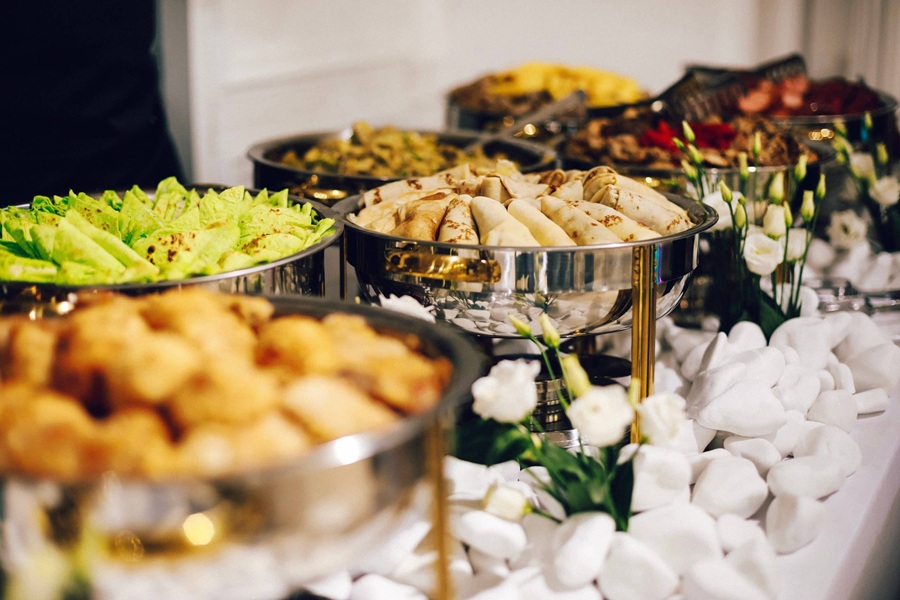
Planning catering for a corporate event begins with a deep understanding of the event’s specific needs and objectives. Every corporate gathering is unique, so tailoring your approach ensures that the catering aligns seamlessly with the overall goals and expectations. Below are some key considerations to help you assess these needs effectively.
Corporate events often reflect organizational values and branding goals. The catering should align with these elements to create a cohesive experience: – Use branded napkins, menus, or table decor that reflects company colors. – Choose dishes that echo themes of sustainability if it’s part of your company’s values—such as farm-to-table cuisine.
Understanding what type of service works best is critical: | Catering Style | Ideal For | Advantages | |——————|—————————|—————————————| | Buffet | Large groups | Offers variety; guests serve themselves | | Plated Dinner | Formal occasions | Structured; high-end presentation | | Food Stations | Interactive experiences | Encourages mingling; customizable options | | Boxed Meals | Conferences/workshops | Convenient; easy distribution |
Selecting an appropriate catering style depends on factors like event formality, guest preferences, and available space.
Lastly, frequent communication between event organizers and stakeholders ensures everyone is aligned: – Share updates regularly about guest count changes. – Confirm logistics in advance with vendors to avoid surprises onsite.
Addressing these foundational aspects early in planning sets you up for success when coordinating other details like budget management and menu selection later on.
Selecting the appropriate catering style is one of the foundational steps to ensure a successful corporate event. The catering style you choose will directly impact guest experience, event flow, and even your budget. Here’s how to navigate this decision-making process while keeping the needs of a large-scale event in mind.
| Event Type | Recommended Style | Why It Works |
| Networking Events | Food Stations | Facilitates movement & conversation |
| Executive Meetings | Plated Sit-Down Meals | Offers professionalism & fine dining |
| Team-Building Retreats | Family Style | Encourages interaction & collaboration |
| Product Launches | Food Stations/Buffet | Adds variety & excitement |
| Casual Training Days | Boxed Meals | Efficient distribution without disruption |
By taking into account these considerations and aligning them with your overall event objectives, you can ensure that the catering style contributes positively to both guest satisfaction and operational efficiency.
Before finalizing the menu, it’s essential to consider the audience. Corporate events often bring together individuals from various cultural, dietary, and lifestyle backgrounds. To cater to everyone:
– Collect dietary preferences early: Use RSVP forms or surveys to gather information about allergies, restrictions, or preferences (e.g., vegetarian, gluten-free, halal).
– Consider cultural diversity: For a global audience, include options that reflect different cuisines or are universally appealing. – Account for industry norms: For formal events like executive meetings, opt for sophisticated dishes; for casual gatherings like team-building days, lighter fare may work best.
While variety is important to cater to different preferences, avoid overwhelming choices as they can complicate logistics. Aim for balance:
– Offer three primary protein options, such as chicken, seafood, and a vegetarian/vegan alternative.
– Include side dishes with complementary flavors (e.g., roasted vegetables and rice pilaf).
– Provide at least one substantial plant-based entrée that satisfies non-meat eaters without feeling like an afterthought.
Using seasonal ingredients not only enhances the flavor of dishes but also reduces costs. Work with your catering vendor to design a menu around what’s fresh and readily available during the event timeframe.
| Season | Popular Ingredients | Example Dishes |
| Spring | Asparagus, peas, lamb | Herb-crusted lamb with spring vegetables |
| Summer | Tomatoes, berries | Grilled salmon with summer greens |
| Autumn/Fall | Squash, apples | Butternut squash risotto |
| Winter | Root vegetables, citrus | Braised beef with roasted root vegetables |
Ensure every attendee feels valued by offering inclusive options:
– Label all dishes clearly with allergens (dairy-free, nut-free) or certifications (kosher).
– Provide gluten-free bread, crackers at the buffet table alongside standard offerings. – If serving plated meals instead of buffets or stations provide pre-check-in tags ensuring guests specific needs get accurately addressed without scrambling delays on-site .
Pairing appropriate beverages elevates dining experiences ensuring seamless mealtime mood transitions: Examples
Managing the budget and maintaining effective communication with vendors are critical components of corporate catering for large-scale events. Without careful planning and clear dialogue, costs can spiral out of control, or miscommunications may lead to service disruptions. Below is a guide to help you navigate these aspects smoothly.
A well-defined budget will not only keep spending in check but also help you negotiate better with vendors who understand your financial boundaries.
These inquiries will help uncover potential issues early while fostering transparency between you and your vendor team.
It’s essential to monitor spending during planning to avoid unintentional overspending. Use tools like spreadsheets or budgeting apps specifically tailored for event management. Create columns that track categories such as food/beverage expenses, staffing fees, rentals/decorations, taxes/service charges, etc., breaking down each into manageable segments.
| Category | Estimated Cost | Actual Cost | Notes |
| Catering Services | $15 per guest | $16 per guest | Adjusted due to menu change |
| Rentals | $1,000 | $1,100 | Additional glassware rented |
| Staffing | $500 | $450 | Fewer servers required |
This table format can help identify areas where adjustments can be made without compromising quality.
Effective budgeting combined with strong vendor communication not only ensures financial stability but also builds a foundation of reliability that is crucial for stress-free corporate catering at scale.
Effective budget management and clear vendor communication are critical components of planning corporate catering for large-scale events. Without proper oversight, costs can spiral, and miscommunication can lead to logistical chaos. Here’s how to manage your budget efficiently while maintaining strong collaboration with vendors.
| Key Vendor Details Checklist | Example Notes |
| Number of Guests Served | 150 |
| Food Allergy Information Provided | Yes – vegetarian & gluten-free options |
| Delivery Timelines Confirmed | Drop-off at 11 AM |
| Finalized Payment Terms | Deposit paid – balance due on receipt |
Keeping open lines of communication with vendors while staying disciplined about financial planning will ensure your corporate catering runs smoothly within budget constraints—and leaves a lasting positive impression on attendees.
Even with the most meticulous planning, last-minute changes are inevitable when organizing large-scale corporate catering events. Whether it’s unexpected guest count adjustments, dietary restrictions that weren’t disclosed earlier, or delays in the venue setup, flexibility and quick problem-solving are essential.
To prepare for potential challenges, consider these common scenarios and how to address them effectively: – Guest Count Changes: Keep in touch with the client for updated headcounts leading up to the event. Ensure your caterer can handle slight fluctuations in attendee numbers. – Dietary Restrictions: If new dietary restrictions arise close to the event date, have a plan for offering simple yet inclusive alternatives that cater to gluten-free, vegetarian, or other needs. – Weather-Dependent Events: For outdoor events, have contingency plans like indoor seating arrangements or tent options ready should weather conditions change unexpectedly. – Vendor Delays: Establish backup vendors or suppliers so you can source last-minute items if needed without disrupting the schedule.
Strong communication channels can help mitigate stress and maintain efficiency: – Use group chats or project management tools to keep all stakeholders—vendors, staff, and clients—informed of real-time updates. – Assign a point person within your team to handle last-minute decisions and requests so changes are streamlined through one individual.
From the onset of planning: 1. Negotiate Flexibility in Contracts: Work with vendors who allow reasonable amendments close to the event date without incurring significant fees. 2. Plan for Overages: Always account for an additional 5–10% buffer in food quantities to accommodate unexpected guests or larger appetites. 3. Use Modular Menus: Opt for dishes that are easy to scale up if portions need adjusting at short notice.
Prepare an emergency kit tailored for catering events: | Item | Purpose | |——————————-|———————————-| | Disposable serving utensils | For accommodating extra guests | | Sealed snacks | Backup food offerings | | Ice packs | Maintaining proper food storage | | Cleaning supplies | Spills from unanticipated changes|
Strong vendor relationships can be invaluable when dealing with sudden changes: – Choose caterers experienced with large-scale events who can adapt quickly under pressure. – Confirm whether they have access to extra staff or resources on short notice.
By proactively anticipating challenges and fostering strong communication practices, you can handle any curveballs without compromising the success of your corporate catering event.
Ensuring a corporate catering event runs smoothly requires proactive planning, attention to detail, and flexibility. Below are tips to help you create an organized and seamless experience for all stakeholders, from the client to the attendees.
Before diving into the event day itself, create a comprehensive checklist covering every aspect of the catering process. This can serve as your guide throughout the planning and execution phases.
Key items to include: – Finalized guest list with dietary restrictions – Confirmed menu options with caterers – Food and beverage quantities based on headcount – Delivery and setup logistics – Equipment needed (serving utensils, warming trays, etc.) – Staffing schedules for servers or bartenders – Emergency contact information for vendors
A detailed checklist helps ensure no critical details are overlooked during preparation or on the day of the event.
Understanding your venue’s layout is crucial for smooth operations. Schedule an onsite visit before the event to identify potential challenges such as: – Available kitchen facilities or lack thereof
– Space for buffet tables or food stations
– Placement of trash bins and recycling areas
– Accessibility for delivery vehicles
Collaborate with both your team and caterers during this walkthrough to confirm where equipment will go and how foot traffic will flow within food service areas.
Maintaining regular communication with your vendors minimizes misunderstandings. Use written agreements or emails to document expectations such as: – Delivery times
– Menu confirmations
– Cleanup responsibilities
You can also establish contingency plans in case unexpected issues arise (e.g., a vendor arriving late). Strong communication fosters accountability among all parties involved.
| Task | Suggested Time Buffer |
| Vendor Deliveries | 30–60 minutes extra |
| Buffet Setup | 15–30 minutes extra |
| Transition Between Sessions | 10–15 minutes extra |
Having these buffers ensures you’re not scrambling under pressure.
Even with careful preparation, surprises can happen. Whether it’s a delayed food delivery or sudden weather changes during an outdoor event, having contingency plans is vital. Some examples include: – Partnering with backup vendors who can provide last-minute supplies if needed. – Preparing nonperishable snacks as an emergency option.
Additionally, appoint someone from your team as the go-to problem solver on event day so decisions can be made quickly without bottlenecking communication.
Assign specific roles to team members who will oversee key aspects like guest coordination, food layout supervision, or liaising with caterers. Having clear points of contact avoids confusion during busy moments.
Pro tip: Ensure all staff members are equipped with walkie-talkies or mobile communication tools if working across large venues.
Once the event concludes, evaluate its success by gathering feedback from attendees and team members alike. Consider asking questions like: 1. Were there any gaps in service quality? 2. Did guests enjoy their meals? 3. How could operations improve next time?
Use these insights not only to refine future events but also strengthen relationships with clients through demonstrated commitment to continuous improvement.