Online
Reservation
Integer congue malesuada eros congue varius. Sed malesuada dolor eget velit pretium. Etiam porttitor finibus. Nam suscipit vel ligula at dharetra
Integer congue malesuada eros congue varius. Sed malesuada dolor eget velit pretium. Etiam porttitor finibus. Nam suscipit vel ligula at dharetra

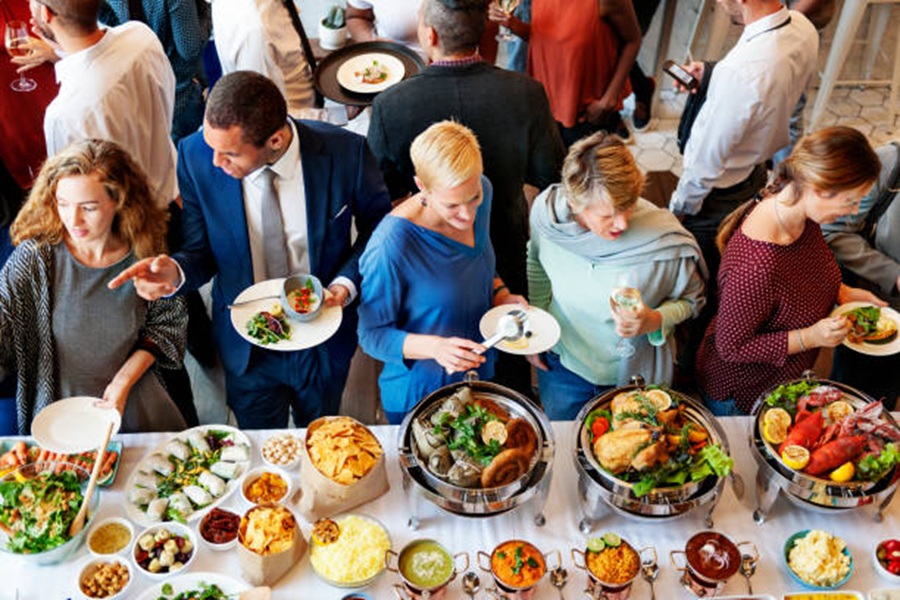
Family style catering is an approach to dining that emphasizes a communal and interactive experience. Unlike traditional plated meals or buffet services, family style catering involves serving large platters or bowls of food directly to each table. Guests then pass these dishes around the table, serving themselves as they would during a family meal at home. The concept fosters a warm and inclusive atmosphere, making it particularly appealing for events where social interaction is a priority.
This style of service offers more than just food; it creates an opportunity for guests to connect and engage with one another over shared dishes. The focus on togetherness and interaction is why many people consider this approach for celebrations centered around community and personal connection.
| Catering Style | Description | Key Features |
| Plated Service | Pre-set portions served individually | Highly formal; limited guest choice |
| Buffet Service | Guests retrieve food from stations | Self-service; variety available in one place |
| Family Style Service | Shared platters served at tables | Collaborative experience; portion flexibility |
While plated service emphasizes formality and buffets prioritize convenience, family style service strikes a balance by offering both elegance and ease of service.
If fostering connection among guests is important at your event, family style catering might be the right choice. It creates an environment reminiscent of traditional mealtime gatherings, which can help break the ice among attendees who may not know each other well. Additionally, this format allows you to offer variety without overwhelming guests in the way buffets sometimes can.
Whether you’re hosting a wedding reception, corporate retreat, or intimate celebration with friends and family, this catering option evokes warmth while maintaining flexibility in presentation.
Family style service is a dining approach where large platters of food are shared among guests at each table. Unlike plated meals, which are pre-portioned and served individually, family style dining encourages a communal experience. This format blends the convenience of formal table service with the relaxed atmosphere of sharing a meal at home, making it both elegant and interactive.
One key aspect of how family style service works is its ability to foster guest interaction. Sharing food creates opportunities for conversation as diners pass dishes around and discuss their preferences or favorite items on the menu. This dynamic often results in a more relaxed atmosphere compared to formal plated service.
| Guest Preference | Example Dish Options |
| Vegetarian | Seasonal vegetable medleys or pasta dishes |
| Gluten-Free | Rice-based sides or roasted proteins |
| Kids’ Options | Smaller portions of crowd-pleasing staples |
This inclusivity can make family style dining appealing across diverse groups while reducing complexity for event hosts.
The balance between self-service and attentive support is what makes this form of catering seamless yet engaging.
By carefully organizing table layouts and providing thoughtful details like extra utensils or sauces nearby, hosts ensure that everything runs smoothly during mealtime.
Family style service emphasizes connection through shared experiences while offering flexibility in menu choices—all supported by skilled staff who manage behind-the-scenes logistics effortlessly. It’s this blend of casual warmth combined with professional execution that makes it such an effective choice for many events.
Family style dining is a popular catering option that promotes connection and sharing, but it may not be ideal for every event. Below, we’ll take a closer look at the benefits and challenges of this service style so you can determine whether it fits your event’s goals and needs.
| Feature | Family Style | Buffet | Plated |
| Interaction Level | High – Encourages conversation | Moderate – Casual self-service | Low – Individual focus |
| Portion Control | Guest-controlled | Guest-controlled | Caterer-controlled |
| Space Requirements | High | Medium | Low |
| Formality | Casual yet elegant | Casual | Highly formal |
By weighing these factors carefully against your event’s specific goals, you’ll be better equipped to determine if family style dining aligns with your vision.
Family style dining offers a unique approach to food service that can create an inviting and communal atmosphere for your event. However, like any catering style, it comes with its own set of benefits and drawbacks. Understanding these will help you determine whether this style aligns with your event’s goals and logistics.
| Aspect | Pros | Cons |
| Guest Interaction | Promotes bonding and conversation | May feel informal for corporate settings |
| Food Accessibility | Offers variety; no need for buffet lines | Requires significant table space |
| Customization | Guests control portions | Portion equality across tables can be tricky |
| Cost | Reduces waste through self-service | Can be more expensive than buffets |
When evaluating whether family style dining suits your event, consider both its unique benefits—such as fostering warmth—and its logistical challenges like space requirements or cost implications. Think about the type of experience you want your attendees to have. For intimate gatherings focused on connection or celebrations where sharing is part of the theme, this catering option might be ideal. Balancing pros and cons ensures thoughtful decision-making based on your specific needs.
When planning an event, one of the most critical aspects to evaluate is the cost of your catering service. Family-style catering offers a unique approach, but understanding how its costs stack up against other popular service styles—like buffet or plated meals—is essential for making an informed decision. Below, we’ll explore the key factors influencing the price of family-style dining and how it compares with other catering options.
| Service Style | Cost Range (Estimate) | Notes on Cost Structure |
| Family Style | Moderate | Slightly higher food quantities needed; fewer servers than plated. |
| Plated Service | High | Requires the most servers and precise portioning per guest. |
| Buffet Service | Lower | Minimal staff needed but may lead to wasted food due to over-serving. |
| Food Stations | Moderate-High | Interactive stations may require additional chefs/staffing. |
If you’re leaning toward family-style dining but want to manage expenses efficiently: – Opt for seasonal ingredients that are more affordable and readily available during your event date. – Stick with two or three main dishes rather than offering an overly diverse spread. – Work closely with your caterer on portion planning—a professional will ensure you order just enough without excessive overages.
By carefully weighing these considerations and tailoring your menu thoughtfully, family-style catering can strike a balance between creating an inviting atmosphere of togetherness while respecting your budget constraints—making it worth considering for various types of events depending on priorities.
When planning an event, cost is often one of the determining factors in choosing a dining style. Family style catering has its own unique financial implications compared to buffet, plated, and other service styles. Understanding these considerations can help you determine if this option aligns with your event’s budget and goals.
| Dining Style | Food Costs | Staffing Costs | Tableware/Equipment | Overall Expense Level |
| Family Style | Moderate-High | Moderate | High (serving platters) | Moderate |
| Plated Service | High | High | Lower | High |
| Buffet Service | Moderate | Low | Medium (chafing dishes) | Low-Moderate |
| Cocktail Style | Low-Moderate | Variable | Minimal | Variable |
The financial advantages or disadvantages of family style catering will depend on your priorities—for example, if creating a warm, communal atmosphere is central to your event vision, it may justify slightly higher costs in certain areas.
For intimate gatherings or smaller guest counts, family style dining can occasionally be more cost-effective since it eliminates redundancy in buffet lines or excessive plating requirements for small groups.
By weighing these factors carefully and working closely with your caterer, you can ensure that family style catering is both a practical and memorable choice for your event without overshooting your budget constraints.
The arrangement of tables plays a key role in family style service. You’ll need enough space for serving platters while ensuring guests have room to dine comfortably. Keep these factors in mind:
– Spacing: Avoid overcrowding tables by limiting the number of guests per table. A typical 8-foot table comfortably seats 8–10 people with space for shared dishes.
– Accessibility: Ensure that serving platters can be easily passed around without excessive reaching or disruption. Round tables often work well as they promote flow and conversation.
Since family style dining relies on sharing, appropriate serving ware is crucial for both functionality and aesthetics:
– Use sturdy, heat-resistant dishes that can handle frequent passing. – Opt for serving utensils that are easy to grip and use, such as tongs or large spoons. – Label platters if necessary (e.g., dietary restrictions or allergens) to avoid confusion.
The timing of service can greatly influence guest satisfaction:
– Stagger dish presentations so the table doesn’t become overcrowded all at once. – Coordinate closely with catering staff to ensure hot dishes arrive warm and cold options remain chilled.
A well-timed flow of food ensures guests don’t feel rushed or overwhelmed while enjoying the meal.
Clear communication helps set expectations for family style dining:
– Include details about the service style in event invitations or programs so attendees know what to expect. – Provide brief instructions at the event (either verbally or via signage) if some guests may be unfamiliar with this catering format.
Family style service can complicate dietary accommodations if not managed carefully:
1. Offer multiple options within each category (e.g., proteins, vegetables) to provide variety. 2. Clearly label dishes containing common allergens like nuts, dairy, or gluten. 3. Consider providing individual servings for attendees with specific dietary restrictions if necessary.
Professional staff plays an integral role in ensuring smooth execution:
– Assign servers specifically tasked with replenishing shared platters as required. – Train staff on proper placement of dishes and how best to minimize disruption during service.
Since family style events encourage social interaction, creating an inviting table is important:
| Design Element | Suggestions |
|———————|———————————————-|
| Centerpieces | Low-profile arrangements that don’t block views |
| Linens | Neutral tones complementing your event theme |
| Tableware | Coordinated plates, glasses, and utensils |
A visually appealing setup adds sophistication while maintaining practicality.
By focusing on these tips—table layouts, serving ware choices, timing strategy, communication, dietary considerations, staffing coordination, and design—you create an enjoyable atmosphere where your guests feel at ease sharing a delicious meal together.