Online
Reservation
Integer congue malesuada eros congue varius. Sed malesuada dolor eget velit pretium. Etiam porttitor finibus. Nam suscipit vel ligula at dharetra
Integer congue malesuada eros congue varius. Sed malesuada dolor eget velit pretium. Etiam porttitor finibus. Nam suscipit vel ligula at dharetra

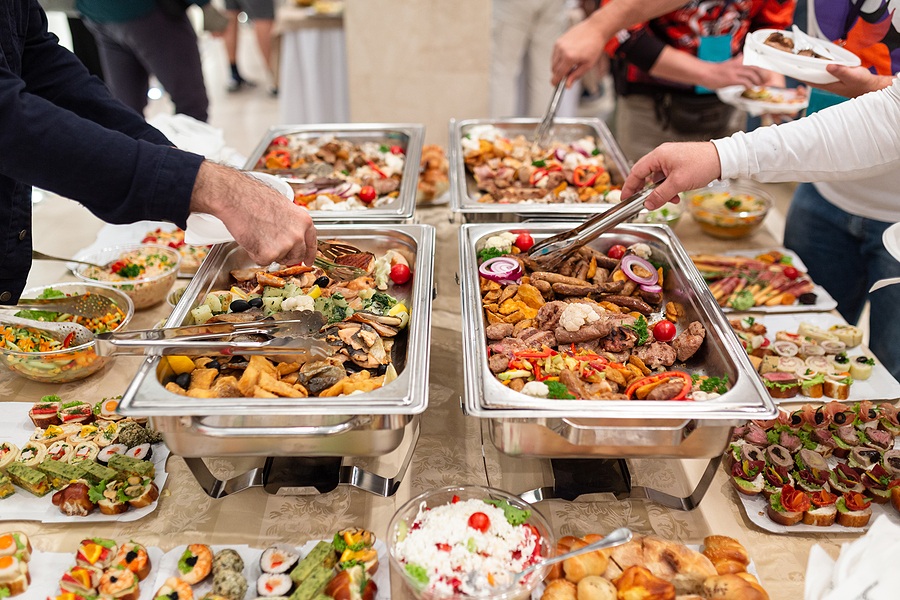
When it comes to catering, appetizers set the tone for the entire meal. They’re the first impression guests have of your event’s culinary experience, so it’s crucial to choose options that are both crowd-pleasing and versatile. Classic appetizers have stood the test of time for their universal appeal, ease of service, and ability to complement any type of cuisine or event theme. Below are some timeless favorites that caterers often include in their menus, along with tips on presentation and serving.
| Appetizer | Dietary Notes | Serving Suggestions |
| Deviled Eggs | Gluten-free | Serve in small rows on egg trays |
| Mini Caprese Skewers | Vegetarian | Arrange neatly in rows; drizzle last |
| Spinach & Artichoke Dip | Vegetarian; Nut-free | Provide warmers or crockpots as needed |
| Shrimp Cocktail | Gluten-free; Dairy-free | Chill with lemon wedges on crushed ice |
| Stuffed Mushrooms | Vegetarian | Plate individually on decorative spoons |
Classic appetizers play an essential role in creating an inviting experience at events of all kinds. By focusing on quality ingredients, thoughtful presentation, and diverse options, these beloved starters can set the stage beautifully for what’s to come in your catering menu.
Finger foods are a staple at any event due to their convenience, versatility, and universal appeal. They are easy to handle, require minimal utensils, and allow guests the freedom to mingle without being tied to a table. For large gatherings in particular, finger foods simplify both serving and cleanup while ensuring that everyone has something delicious to enjoy. Below is an overview of popular options, as well as tips for serving them effectively.
| Food Item | Ideal Presentation Style | Best Paired With |
| Mini Sliders | Wooden serving boards | Assorted condiments |
| Spring Rolls | Individual wrappers | Sweet chili sauce |
| Skewers | Standing upright in tall glasses | Peanut sauce/dipping sauces |
The beauty of finger foods lies in their flexibility—they adapt seamlessly across different event themes and guest preferences while remaining practical from a catering perspective. Whether you’re hosting an elegant cocktail party or a casual outdoor celebration, finger foods create opportunities for variety without overwhelming your logistics.
Finger foods are a go-to catering option for large gatherings because they are easy to serve, require minimal utensils, and allow guests to mingle while enjoying bites of delicious food. Choosing the right finger foods for your event can set the tone and ensure that everyone has an enjoyable experience.
Finger foods work well in many scenarios because they:
– Allow guests to eat while standing or moving around.
– Simplify cleanup since no plates or cutlery are needed.
– Provide variety, catering to different dietary preferences.
– Encourage mingling and socialization as people can easily grab bites in between conversations.
Savory Options:
– Mini Sliders: Bite-sized burgers with beef, chicken, or vegetarian patties served on soft buns with toppings like cheese, pickles, or aioli.
– Stuffed Mushrooms: Filled with cream cheese, breadcrumbs, garlic, and herbs for a savory touch.
– Spring Rolls: Crispy rolls filled with vegetables or proteins like shrimp or chicken served with dipping sauces such as sweet chili or peanut sauce.
– Meat Skewers: Small wooden skewers threaded with marinated chicken, beef, lamb, or even tofu for a flavorful bite-sized option. – Deviled Eggs: A timeless classic made by filling halved boiled eggs with a creamy yolk mixture seasoned with mustard and paprika.
Vegetarian Picks:
– Caprese Skewers: Cherry tomatoes, mozzarella balls, and fresh basil drizzled with balsamic glaze on toothpicks.
– Vegetable Crudités Cups: Individual cups filled with colorful raw vegetables (carrots, cucumbers) paired with hummus or ranch dip at the bottom of the cup for easy snacking. – Mini Quiches: Egg-based bites filled with cheese and mixed vegetables like spinach or mushrooms.
Seafood Delights:
– Shrimp Cocktail Shots: Individual servings of jumbo shrimp paired with cocktail sauce in small glasses. – Smoked Salmon Canapés: Thinly sliced smoked salmon layered over cream cheese on crackers or crostini garnished with dill.
The versatility of finger foods makes them universally appealing—they can range from elegant hors d’oeuvres at weddings to fun party snacks at casual celebrations. Their bite-sized nature ensures variety without overwhelming diners’ appetites while still leaving room for other meal elements such as mains or desserts.
By incorporating thoughtfully curated finger food options into your next event menu following these tips above—you’ll ensure a delightful experience that keeps guests coming back to the table!
Comfort foods hold universal appeal, making them a staple for catered events. These dishes evoke feelings of warmth, nostalgia, and satisfaction—perfect for creating a memorable dining experience. Whether it’s a corporate luncheon, wedding reception, or family gathering, including comfort foods ensures a welcoming and crowd-pleasing atmosphere.
| Dish | Serving Style | Suggested Toppings/Additions |
| Macaroni & Cheese | Mini skillets/ramekins | Truffle oil, bacon bits |
| Mashed Potatoes | Martini glasses | Chives, roasted garlic |
| Mini Sliders | Small plates/wrapped minis | Pickles, chipotle mayo |
| Pasta Dishes | Family-style platters | Fresh herbs like basil |
To ensure these dishes shine at your event: – Keep them warm using chafing dishes or warming trays to maintain their comforting texture and flavor. – Offer both traditional recipes and modern twists (like vegan mac n’ cheese) to accommodate all guests. – Balance heavier dishes by pairing them with lighter sides such as roasted vegetables or fresh salads.
By thoughtfully integrating comfort foods into your catering plan, you create an inviting experience that leaves guests satisfied while evoking fond memories through familiar flavors.
Comfort foods hold a special place in the hearts (and stomachs) of guests at any event. These dishes evoke feelings of warmth, nostalgia, and satisfaction, making them a popular choice for catering menus. From creamy pastas to hearty casseroles, comfort foods are versatile enough to suit both casual gatherings and formal events. Below, we’ll explore why comfort foods work so well for events and present some go-to options that consistently delight a crowd.
| Dish | Notes on Preparation | Suitable For |
| Macaroni and Cheese | Can be made gourmet with add-ins like truffle oil or lobster. | Family-friendly gatherings, weddings |
| Mashed Potatoes | Offer classic buttery options or garlic-infused varieties. | Formal dinners or casual buffets |
| Fried Chicken | Crispy on the outside and juicy inside; pairs well with sides like coleslaw. | Picnics, outdoor events |
| Lasagna | Vegetarian and meat-based versions are easy to prepare in bulk. | Dinner parties, holiday events |
| Pot Pies | Individual servings offer convenience; fillings can vary from chicken to veggies. | Winter-themed or cozy indoor events |
To ensure your comfort food menu is executed seamlessly: – Balance Richness with Lighter Sides: Pair heavy dishes like mashed potatoes with fresh salads or roasted veggies. – Offer Customization Options: Provide topping bars for items like mac and cheese or baked potatoes (e.g., shredded cheese, sour cream, bacon bits). – Consider Portion Size: Opt for smaller servings if multiple courses are being served; larger portions work well for buffet-style meals. – Focus on Presentation: Even homey dishes can look elegant when served creatively—use ramekins for individual pot pies or garnish mashed potatoes with herbs.
Using seasonal produce enhances both the flavor and appeal of comfort food dishes: – Fall/Winter: Butternut squash ravioli, creamy soups (e.g., tomato bisque), shepherd’s pie. – Spring/Summer: Fresh corn casserole, grilled cheese sliders with tomato gazpacho shooters.
Comfort foods provide not only sustenance but also an emotional connection that can elevate any event experience. By customizing these timeless favorites to match the theme and preferences of your event, you’re sure to leave guests feeling satisfied and content.
Selecting the ideal menu for your event is essential to ensuring that your guests leave satisfied and impressed. A well-curated catering menu should reflect the theme, accommodate dietary preferences, and align with the overall tone of the occasion. Below are practical steps and considerations to guide you in choosing a menu that suits your event perfectly.
Knowing your audience is the foundation of a successful menu selection. Consider these factors: – Guest demographic: Are they young professionals, families, or corporate attendees? Different groups may gravitate toward different cuisines. – Dietary needs: Collect information about potential allergies, dietary restrictions (e.g., gluten-free, nut allergies), or preferences such as vegetarian or vegan diets. – Cultural considerations: Reflect on whether a specific cultural or regional cuisine might resonate with guests.
For example: | Guest Type | Suggested Cuisines/Options | |————————-|———————————–| | Family-oriented events | Comfort foods like pasta, tacos | | Corporate meetings | Sophisticated plated meals | | Mixed demographics | Buffet with diverse options |
The food you serve should seamlessly blend with the theme and tone of your event: – For a formal dinner party, opt for plated multi-course meals featuring gourmet dishes like filet mignon or lobster risotto. – A casual backyard gathering pairs well with BBQ stations, finger foods, and refreshing salads. – Events such as weddings may benefit from versatile options like buffets or food stations where guests can customize their meals.
The time of day plays a significant role in deciding what to serve: – Morning events: Brunch menus with coffee stations, pastries, fresh fruits, and egg-based dishes work well. – Afternoon gatherings: Light fare such as sandwiches, wraps, or charcuterie boards are ideal. – Evening events: Heartier meals like roasts or pasta dishes are better suited for dinner receptions.
While it’s important to offer variety to cater to diverse tastes: – Avoid overwhelming guests by sticking to 3–5 main dishes that complement each other. – Include options for all dietary preferences but don’t overcomplicate by trying to cover every possible scenario. A balance between meat-based dishes, vegetarian options, and gluten-free alternatives is often sufficient.
Sample balanced menu: | Course | Example Dishes | |——————|—————————————–| | Appetizers | Caprese skewers, mini quiches | | Main Course | Herb-crusted chicken; mushroom risotto | | Side Dishes | Roasted vegetables; Caesar salad | | Dessert | Cheesecake bites; fruit tarts |
Professional caterers are experienced in helping you design a menu tailored to your event’s unique needs. When working with them: 1. Share key details about your guest list and event logistics. 2. Ask about seasonal ingredients—they can often suggest creative ways to incorporate fresh produce into dishes. 3. Discuss setup requirements (buffet versus plated service) based on venue constraints.
To ensure smooth execution on the day of your event: – Conduct a tasting session with your chosen caterer beforehand. – Confirm portion sizes based on guest count—err on the side of slightly more food than needed. – Plan for easy-to-eat items if space is limited (e.g., cocktail-style events).
By carefully considering these factors—from guest preferences to timing—you can craft a memorable dining experience that enhances every aspect of your event while keeping everyone happy and well-fed.
Selecting the perfect catering menu for your event is a critical step in ensuring its success. A well-thought-out menu not only satisfies your guests but also reflects the tone and purpose of your gathering. Here’s how to make sure you choose a menu that fits your event seamlessly.
The nature of the event will heavily influence your choices. Different occasions call for different styles of food, so take into account the formality and purpose of the gathering:
– Corporate Events: Aim for professional yet satisfying dishes such as finger foods, charcuterie boards, or buffet-style offerings that allow networking without interruption.
– Weddings: Prioritize elegant options like plated dinners with seasonal ingredients or a mix of gourmet appetizers and mains served buffet-style.
– Casual Gatherings: Opt for comfort foods or crowd-friendly options like sliders, tacos, or barbecue spreads that encourage mingling and enjoyment.
Your choice should cater to the preferences and dietary needs of your attendees. Consider these factors:
– Age group: For example, children may prefer simple dishes like macaroni and cheese, while adults might enjoy more sophisticated flavors such as smoked salmon or artisanal cheese platters. – Dietary restrictions: Ensure there are vegetarian, vegan, gluten-free, or allergy-conscious options available where needed. – Cultural backgrounds: Incorporate dishes from diverse cuisines if you have an international guest list.
Timing plays an important role in food selection: – Morning Events: Brunch menus with pastries, egg-based dishes, fresh fruit platters, and coffee are ideal. – Afternoon Events: Lighter fare like salads or sandwiches works well. – Evening Events: Heavier mains such as roasted meats or pasta paired with side dishes can be more appropriate.
Seasonal ingredients also enhance freshness and flavor: | Season | Suggested Ingredients | |————|—————————————————–| | Spring | Asparagus, peas, lamb | | Summer | Tomatoes, berries, fish | | Fall | Pumpkins, squash, roasted root vegetables | | Winter | Braised meats, hearty stews, citrus fruits |
Offering variety is essential to ensure guests can find something they love without overwhelming them with too many choices. A balanced menu might include: – Two to three appetizer options (e.g., vegetarian bruschetta alongside shrimp skewers). – Two main course proteins (e.g., chicken and beef) along with one vegetarian entrée. – Appropriate sides (e.g., rice pilaf or mashed potatoes paired with seasonal vegetables). Providing flexibility while avoiding excess ensures smooth service delivery.
Work closely with a professional caterer who understands your vision and budget. Share details about your venue setup—whether it’s seated dining or stations—and ask for their recommendations based on prior experience catering similar events.
To ensure everything runs smoothly: – Perform a tasting before finalizing your menu. – Ask about portion sizes; overestimating slightly is better than running short on food. – Confirm whether utensils/plates are provided by the caterer or need separate arrangements.
By carefully considering these elements—event type, guest preferences, seasonality—and staying organized throughout planning stages alongside expert advice from caterers—you’ll create an enjoyable dining experience tailored perfectly to any occasion.