Online
Reservation
Integer congue malesuada eros congue varius. Sed malesuada dolor eget velit pretium. Etiam porttitor finibus. Nam suscipit vel ligula at dharetra
Integer congue malesuada eros congue varius. Sed malesuada dolor eget velit pretium. Etiam porttitor finibus. Nam suscipit vel ligula at dharetra

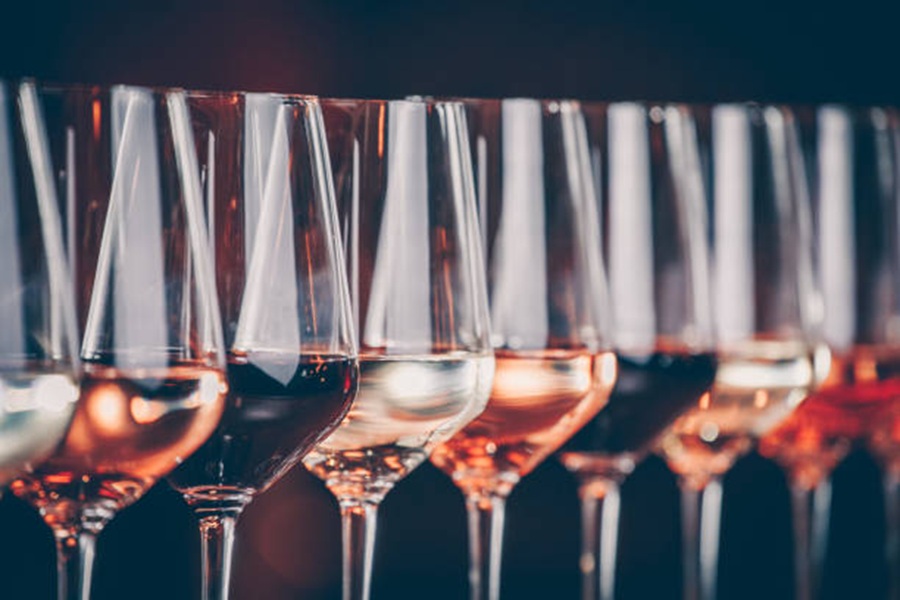
Properly estimating drinks per guest is crucial when planning your wedding bar to ensure everyone has plenty to enjoy without excessive waste or overspending. The goal is to strike a balance between providing enough variety and quantity for all your guests while avoiding over-purchasing alcohol that may go unused.
Once you’ve calculated the total number of drinks needed, determine how to split that across various drink types (e.g., beer, wine, spirits). A standard breakdown looks like this:
– Beer: Accounts for roughly 40% of total drink consumption. – Wine: Makes up about 30%-35%. – Spirits/Cocktails: Comprising around 25%-30%.
Adjust these ratios based on your specific guest preferences and menu pairings.
Your guest list can heavily influence how much and what type of alcohol is consumed:
– Younger crowds tend to favor cocktails and beer.
– Older guests may lean more toward wine or spirits served neat.
– If you have many non-drinkers or light drinkers attending, scale back on alcoholic beverages and plan for more non-alcoholic options (e.g., sparkling water, mocktails).
To avoid running out or overstocking certain items:
– Add a buffer by increasing total estimates by 10%-15% for unexpected demand.
– Ensure you consider seasonal factors; warmer weather tends to increase consumption of lighter drinks like beer and white wine.
| Drink Type | Serving Size (Approx.) | Quantity Per Bottle/Case | Estimated Servings Needed |
| Beer | 12 oz | Case = 24 bottles | (~40%) from total drinks |
| Wine | 5 oz | Standard bottle = ~5 servings | (~35%) from total |
| Spirits | 1.5 oz (per cocktail) | Standard bottle = ~16 servings | (~25%) from total |
If you’re unsure how much variety you’ll need:
1. Focus on crowd favorites like lager beers, rosé wines, or classic cocktails such as margaritas. 2. Work with vendors who allow returns on unopened cases. 3. Consult with your bartender or caterer—they often have insights based on similar events.
By taking the time to estimate carefully and account for key factors like event length, preferences, and contingencies, you’ll provide an enjoyable experience while maintaining control over costs efficiently.
Stocking the bar for a wedding requires thoughtful planning to ensure that your guests have a variety of options and that their preferences are well-considered. A fully stocked wedding bar typically consists of several major categories of alcohol, including spirits, wine, beer, and mixers. Below is a comprehensive guide for selecting the essential alcohol types to include in your wedding bar.
| Type | Suggestions | Notes |
| Red Wine | Cabernet Sauvignon, Pinot Noir | Opt for medium-bodied wines that pair with meals |
| White Wine | Chardonnay, Sauvignon Blanc | Crisp whites work well year-round |
| Rosé | Provencal-style rosé | Adds versatility without being too heavy |
| Sparkling | Prosecco, Cava, Champagne | Necessary for toasts; offer both dry & sweet |
Mixers are critical not only as components of cocktails but also as stand-alone non-alcoholic beverages for designated drivers or guests who don’t drink alcohol.
By offering diverse choices while keeping drinks simple yet elegant, you’ll create an inclusive environment where every guest feels catered to—whether they’re sipping on champagne during the toast or enjoying a crisp gin cocktail during dinner service.
Providing non-alcoholic options at a wedding bar is essential to ensure all guests feel included and have a variety of beverages to enjoy throughout the celebration. A thoughtful selection of alcohol-free choices also caters to children, pregnant guests, designated drivers, and those who prefer not to drink.
| Beverage Type | Suggested Options | Presentation Ideas |
| Sparkling Water | LaCroix (e.g., lime), San Pellegrino | Serve in clear bottles with lime wedges on the side |
| Mocktails | Virgin mojito, sparkling peach spritzer | Garnish with mint leaves or citrus wheels |
| Juices | Orange juice, mango blend | Use glass carafes with small labels attached |
| Coffee & Tea | Cold brew coffee; hot herbal teas | Elegant mugs with sugar cubes nearby |
By thoughtfully planning your non-alcoholic offerings and their presentation, you’ll ensure all guests feel considered throughout your special day while adding elegance and charm to your overall beverage service.
When planning your wedding bar, one of the key decisions to make is whether to hire a professional bartender or opt for a DIY bar setup. Both options have their own benefits and challenges, and the choice largely depends on your budget, guest count, and personal preferences. Here’s a detailed breakdown to help you make an informed decision.
To help decide between hiring bartenders or setting up your own station: | Factor | Hire Bartender | DIY Bar | |—————————-|———————–|————————–| | Budget | Higher cost | Cost-effective | | Guest Count | Ideal for large events| Manageable for smaller weddings| | Experience & Quality | Professional expertise| Dependent on prep efforts|
Planning a wedding often involves various financial decisions, and budgeting for the bar service is one of the key aspects that can significantly impact your overall costs. By approaching this task strategically, you can ensure your guests enjoy the celebration without exceeding your budget. Here are practical ways to plan and manage your wedding bar expenses effectively.
Before diving into specifics like drink types or quantities, establish a clear overall budget for your bar. This figure will guide all subsequent decisions related to alcohol, mixers, glassware, and staffing.
| Type | Cost Considerations | Guest Impact |
| Open Bar | Higher cost as you cover all drinks; includes liquor, beer, wine | Generous option; ensures guests don’t pay out-of-pocket |
| Cash Bar | Guests pay for their own drinks; reduces your expense significantly | May feel less hospitable to guests |
| Limited Bar | Offers only pre-selected options like beer, wine, and one or two cocktails | Balanced approach; keeps costs manageable while catering to preferences |
Accurately estimating how much alcohol you’ll need ensures you don’t overspend or run out halfway through the event.
Using these ratios can help prevent over-buying any one category.
If you’re expecting around 100 guests at an average four-hour wedding reception:
| Item | Estimated Quantity Needed | Approximate Cost ($) |
| Beer (12 oz servings) | ~160 bottles/cans | ~$240 ($1.50 per bottle) |
| Wine (5 oz servings) | ~50 bottles | ~$650 ($13 per bottle) |
| Spirits (1 oz servings) | ~15 bottles | ~$450 ($30 per bottle) |
| Mixers/Garnishes | As needed | ~$100 |
| Bartender(s) | Fee + gratuity | ~$250-$400 |
Note: Costs vary widely depending on location and alcohol brands.
By accounting for these details upfront, you’ll avoid unexpected surprises later.
With thoughtful planning and smart decision-making, creating a well-budgeted bar service can enhance your wedding day experience without breaking the bank.
A well-organized bar is key to ensuring guests enjoy themselves and that your wedding runs seamlessly. From preparation to execution, here are practical tips to make sure the bar remains efficient and fully functional throughout your special day.
Establishing a timeline for bar service ensures proper flow and prevents bottlenecks during peak times. Consider:
– Pre-Ceremony: If you’re hosting a pre-ceremony cocktail hour, ensure bartenders are ready with simple drink options like sparkling wine or signature cocktails.
– During Dinner: Scale back to wine service or beer only, allowing bartenders time to restock and regroup for the post-dinner rush.
– Reception Peak Hours: Have multiple bartenders available after dinner when dancing begins, as this is typically when demand is highest.
Minimize congestion by placing the bar in an accessible yet open area, away from high-traffic zones such as entrances or buffet stations. For large weddings, consider multiple smaller bars or satellite stations offering limited drink selections like wine and beer.
Running out of essentials can bring your bar service to a halt. Avoid this by over-preparing:
– Glassware (plan for at least two per guest)
– Ice (1–1.5 pounds per guest)
– Garnishes (citrus wedges, olives, herbs)
– Mixing tools (shakers, strainers)
| Item | Quantity Guide Per Guest | Notes |
| Wine | 1/2 bottle | Red & white options |
| Beer | 1–2 bottles | Include popular choices |
| Spirits | 1–2 oz per cocktail | Vodka and whiskey preferred |
| Non-Alcoholic Mixers | Juice/Soda: 4 oz per guest | Include tonic & sparkling water |
The rule of thumb is one bartender per 50 guests for standard service or one bartender per 75 guests if offering minimal drink options (beer/wine). Having enough staff helps avoid delays during busy periods.
Warm drinks can ruin the experience for guests—especially in outdoor weddings during warmer months:
– Use coolers or insulated tubs filled with ice for bottled beverages like beer and soda. – Rotate chilled items between freezers/refrigerators and serving areas as needed.
A menu listing drink options keeps lines moving quickly by helping guests decide before they reach the front of the line.
Keep trash bins near every bar setup to manage discarded cups, napkins, and empty bottles discreetly without creating clutter.
By focusing on organization, preparation, and proactive solutions like these tips above you’ll cultivate an efficient system where everyone—bartenders included—can enjoy themselves stress-free while serving great drinks effortlessly throughout
A well-stocked and efficiently run bar can be one of the highlights of your wedding reception. Ensuring everything flows seamlessly requires planning, organization, and attention to detail. Below are practical tips to keep your wedding bar running smoothly and ensure guests enjoy their experience.
A thoughtful plan ensures smooth operations behind the bar throughout the event. Consider these steps during your planning process:
– Bar Placement: Position the bar in a central yet accessible location to avoid bottlenecks. Make sure it’s not too close to high-traffic areas like the dance floor or buffet but remains easy for guests to find.
– Staffing Needs: On average, one bartender can handle 50 guests comfortably. Ensure you have enough bartenders or staff to avoid long wait times. – Bar Layout: Organize your bar setup by grouping items logically (e.g., glasses near mixers, garnishes next to spirits) for easy access.
Avoid mid-reception shortages by stocking up properly:
– Keep Backup Supplies Nearby: Store extra bottles of popular liquors, mixers, ice, and garnishes easily accessible but out of sight from guests.
– Ice Management: Calculate ice needs based on guest count (approximately 1½ pounds per person). Use insulated coolers or ice buckets to keep it from melting too quickly.
| Item | Quantity Recommendation | Notes |
| Liquor | 1 bottle per 10 guests (per type) | Adjust based on preferences |
| Wine | 1 bottle per 2-3 guests | White & red options |
| Beer | 1½ bottles/cans per guest | Consider light & craft |
| Ice | ~1½ lbs per guest | Use quality ice |
Efficient service is key to keeping guests happy at the bar:
– Offer Signature Cocktails: Prebatch signature drinks or simple cocktails that bartenders can serve quickly. This reduces wait times while also adding a personal touch. – Separate Drink Stations: For larger weddings, consider separate drink stations for wine or beer-only options so that not all guests queue at the main bar. – Use Clear Signage: Display menus prominently with drink options so that guests can decide before reaching the front of the line.
Keep everyone involved in your wedding informed about how the bar will operate:
– Share rules about serving minors with bartending staff and clearly communicate any restrictions related to alcohol consumption (such as cut-off times).
– Offer a heads-up during speeches or special dances if you’d prefer fewer people approaching the bar during those moments.
Sometimes things don’t go exactly as planned—be ready:
– Assign someone from your planning team (or family) who can check in periodically with bartenders in case restocking is required during service. – If dealing with an outdoor setup, invest in umbrellas or tents over mobile bars to protect staff and supplies from weather-related issues like sun or rain.
By prioritizing efficiency and preparation, you’ll create an enjoyable experience for both your bartending team and wedding guests alike. A well-run bar adds warmth and elegance while ensuring everyone has an exceptional time celebrating together!