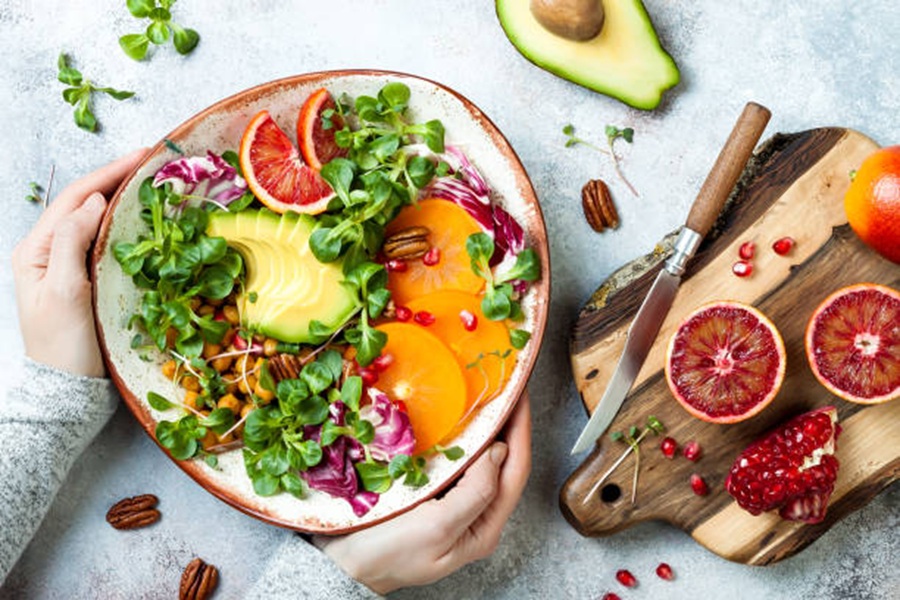
What Makes Vegan Breakfast Catering Different
Vegan breakfast catering stands apart from traditional catering services in various ways, primarily due to its exclusive focus on plant-based ingredients and its commitment to sustainability and inclusivity. This approach not only meets the increasing demand for healthier, ethical dining options but also highlights creativity and innovation in crafting meals that appeal to a diverse audience.
A Focus on Plant-Based Ingredients
- Ethical Sourcing: Vegan breakfast menus prioritize fresh, seasonal, and often locally sourced produce. Staples include fruits, vegetables, legumes, grains, nuts, and seeds.
- Dairy-Free Alternatives: Instead of animal-derived products like milk or cheese, vegan catering uses dairy-free substitutes such as almond milk, cashew cream, and oat yogurt. These alternatives contribute to creamy textures and rich flavors.
- Meat-Free Proteins: Popular options like tofu scrambles, tempeh bacon, and chickpea omelets replace traditional egg or meat-based dishes while delivering protein-rich meals.
Emphasis on Sustainability
Sustainability is a cornerstone of vegan breakfast catering: – Reduced Carbon Footprint: Plant-based meals inherently have a lower environmental impact compared to diets relying on animal agriculture. – Minimal Food Waste: Many vegan caterers adopt zero-waste principles by creatively repurposing produce scraps into broths or garnishes. – Eco-Friendly Packaging: Caterers often use compostable or biodegradable packaging materials for takeout or delivery services.
Inclusivity for Dietary Needs
Vegan breakfast catering seamlessly accommodates various dietary restrictions beyond just veganism: – Gluten-free baked goods like muffins made with almond flour cater to individuals with gluten intolerances. – Nut-free granola bars ensure those with nut allergies are accounted for. – Soy-free options such as coconut yogurt provide alternatives for soy-sensitive guests.
Elevated Creativity
Without relying on typical animal products such as eggs or bacon, vegan catering requires chefs to think outside the box: – Flavorful herb blends (like dill combined with nutritional yeast) mimic cheesy flavors in eggless quiches. – Jackfruit can be shredded and seasoned as a topping resembling pulled pork sliders for unique breakfast sandwiches.
This emphasis on culinary artistry makes the breakfasts visually appealing while offering bold flavor profiles.
Summary Table: Key Differences in Vegan Breakfast Catering
| Aspect |
Traditional Breakfast Catering |
Vegan Breakfast Catering |
| Primary Ingredients |
Animal-derived (eggs/bacon/dairy) |
Plant-based (tofu/nuts/seeds) |
| Environmental Impact |
Higher carbon emissions |
Lower carbon footprint |
| Dietary Accommodation |
Limited (e.g., vegetarians only) |
Inclusive of vegans & food allergies |
| Creativity |
Relies on standard recipes |
Innovative use of plant ingredients |
By embracing these distinctions—plant-based innovation, eco-consciousness, and inclusivity—vegan breakfast catering offers something truly unique that resonates with diners seeking ethical dining experiences. Whether you’re planning an intimate brunch event or serving hundreds at a corporate meeting, this approach not only caters to health-conscious individuals but also elevates the breakfast experience altogether.
Why Vegan Breakfast Catering is on the Rise
In recent years, vegan breakfast catering has gained significant traction, becoming a popular choice for events, corporate gatherings, and private functions. This growing trend is not just a fleeting dietary preference—it reflects broader shifts in consumer values and priorities. Below, we’ll explore the key factors driving the rise of vegan breakfast catering and why it has become such an appealing option for hosts and guests alike.
Increased Awareness of Health Benefits
- Nutrient-Dense Options: Meals rich in fiber, vitamins, and antioxidants from fruits, vegetables, nuts, seeds, and whole grains.
- Heart Health: Lower cholesterol levels due to the absence of animal products.
- Sustained Energy: Plant-based proteins and whole foods provide slow-releasing energy without the heaviness often associated with traditional meat-based breakfasts.
Guests increasingly value menus that help them feel energized rather than weighed down—a quality that vegan breakfasts naturally deliver.
Environmental Considerations
- Lower Carbon Footprint: Plant-based meals require fewer natural resources like water and land compared to animal-based foods.
- Reduced Food Waste: Vegan dishes often incorporate versatile ingredients like grains or vegetables that can be repurposed easily if there are leftovers.
For eco-conscious attendees or event planners, embracing a vegan menu symbolizes a commitment to minimizing harm to the planet while still offering delicious food.
Growth in Dietary Inclusivity
- By default, vegan meals accommodate vegetarians as well as those who avoid dairy or eggs.
- Many dishes can be easily adapted to meet additional restrictions such as gluten-free or nut-free requirements (e.g., using oat flour or sunflower seed butter).
This flexibility makes it easier for event organizers to satisfy a variety of preferences without needing multiple specialized menus.
Culinary Innovation
- Vegan chefs are crafting unique flavor combinations using ingredients like jackfruit “sausage,” tofu scrambles seasoned with black salt (for an eggy taste), or cashew cream cheese bagels.
- Modern substitutes for eggs (e.g., chickpea flour or aquafaba) have transformed baked goods like muffins and pancakes into indistinguishable plant-based versions.
These innovations prove that vegan breakfasts need not sacrifice flavor or variety—they’re just as indulgent and satisfying as traditional options.
Social Shifts Toward Ethical Eating
As more individuals adopt lifestyles rooted in ethical choices—whether motivated by concerns about animal welfare or personal beliefs—veganism is no longer seen as niche. Offering a fully plant-based breakfast at events shows thoughtfulness toward these values while also introducing others to cruelty-free dining options they might not have considered before.
By addressing health consciousness, environmental stewardship, inclusivity, culinary creativity, and ethical eating habits all at once, vegan breakfast catering has positioned itself as more than just another trend. It’s an adaptable solution to meet modern expectations while delivering memorable experiences at any gathering.
Navigating Dietary Restrictions With Ease
When offering vegan breakfast catering, accommodating diverse dietary needs becomes a critical part of the planning process. Veganism itself is often aligned with other dietary restrictions or preferences, such as gluten-free, nut-free, soy-free, or low-sugar diets. As a caterer or event planner, preparing for various restrictions ensures inclusivity and satisfaction for all guests.
Common Dietary Restrictions in Vegan Breakfast Catering
- Gluten-Free: Many individuals avoid gluten due to allergies, intolerances (like celiac disease), or personal preference. This requires avoiding wheat, barley, rye, and oats unless certified gluten-free.
- Nut Allergies: Nut-based products are common in vegan dishes (e.g., almond milk or cashew spreads). Have nut-free alternatives available.
- Soy Allergies: Soy can show up in plant-based meat substitutes and dairy replacements like tofu or soy milk.
- Sugar-Free/Low-Sugar Options: Some guests may need low-glycemic options for breakfast items to manage diabetes or personal preferences.
- Oil-Free Diets: Increasingly common among health-conscious vegans who opt for whole-food plant-based eating patterns.
Strategies for Managing Dietary Restrictions
- Clearly label all dishes with potential allergens and ingredients.
- Use icons (e.g., GF for gluten-free) to make it easy for guests to identify what works for them.
- Offer customizable dishes like build-your-own smoothie bowls or oatmeal bars where guests can choose ingredients that fit their restrictions.
- Provide multiple base options such as almond milk, oat milk, coconut yogurt, and unsweetened soy milk.
- In your kitchen setup, avoid cross-contact between allergenic ingredients (e.g., nuts) and allergen-free foods by using separate utensils and prep areas.
- Train staff on safe handling practices.
| Standard Ingredient |
Substitution Option |
Notes |
| Wheat flour |
Almond flour / Gluten-free mix |
Works well in baked goods |
| Soy milk |
Oat milk / Coconut milk |
Use unsweetened options if needed |
| Cashew cheese |
Sunflower seed cheese |
Ideal for nut-free applications |
| Refined sugar |
Maple syrup / Coconut sugar |
Lower glycemic than refined sugar |
Recipe Ideas That Cater to Multiple Needs
- Gluten-Free Vegan Pancakes made with buckwheat flour topped with fresh fruit compote
- Nut-Free Chia Pudding using oat milk instead of almond or cashew milk
- Savory Tofu Scramble served alongside oil-free roasted sweet potatoes
- Overnight Oats prepared with gluten-free oats and optional mix-ins like flaxseeds or fresh berries
Communication Is Key
Always discuss dietary restrictions with your client ahead of time to ensure you’re prepared. Encourage them to share guest-specific allergies so you can tailor the menu accordingly. Open communication reassures clients that their guests’ needs will be met professionally and safely.
Navigating dietary restrictions doesn’t have to be daunting—it’s an opportunity to showcase creativity while providing an inclusive experience that aligns with the principles of vegan catering.
Navigating Dietary Restrictions With Ease
When catering a vegan breakfast, it’s not just about avoiding animal products—it’s also essential to account for other dietary restrictions and preferences your guests may have. Ensuring inclusivity and offering options for everyone will make your service stand out. Here’s how to seamlessly navigate dietary requirements while maintaining deliciousness.
Understanding Common Dietary Restrictions
- Gluten-Free: Many guests might be gluten-intolerant or have celiac disease. Avoid wheat, barley, rye, and their derivatives.
- Nut Allergies: Some individuals are allergic to peanuts or tree nuts. Ensure some dishes are nut-free or use seeds as alternatives (e.g., sunflower seed butter instead of almond butter).
- Soy-Free: Soy is a common substitute in vegan diets but may not work for everyone. Use coconut milk, oat milk, or chickpea flour instead of soy-based ingredients.
- Sugar-Free/Low Sugar: For those managing diabetes or reducing sugar intake, consider unsweetened options or natural sweeteners like dates or maple syrup.
- Oil-Free: For health-focused vegans, prepare dishes without added oils by steaming, baking, or using nonstick cookware.
Customizing Your Menu
| Dietary Restriction |
Suggested Modifications |
| Gluten-Free |
Replace standard flour with almond flour or gluten-free blends; offer GF pancakes and waffles |
| Nut Allergies |
Use seeds (sunflower, pumpkin) as toppings instead of nuts |
| Soy-Free |
Swap soy milk with oat/coconut milk; replace tofu with chickpeas for protein-rich dishes |
| Low Sugar |
Offer naturally sweetened granola bars and unsweetened yogurt parfaits |
| Oil-Free |
Roast veggies with vegetable broth instead of oil; prepare whole-grain muffins without added fat |
Practical Tips for Managing Restrictions
- Label Everything Clearly: Provide detailed labels on all dishes indicating if they are gluten-free, nut-free, soy-free, etc., to help guests make informed decisions.
- Separate Prep Areas: Minimize cross-contamination by preparing allergen-sensitive dishes in separate zones.
- Communicate Openly: Before the event begins, ask guests about their specific needs. This eliminates guesswork and ensures no important detail is overlooked.
- Offer Build-Your-Own Options: A customizable oatmeal bar with various toppings (fruits, seeds) can cater to diverse preferences effortlessly.
Example Breakfast Ideas for Multiple Diets
- Sweet potato hash topped with avocado slices
- Coconut yogurt parfaits layered with fresh berries
- Chickpea scramble with sautéed spinach
- Baked oatmeal squares made using banana as a binder
- Zucchini muffins sweetened with dates
- Chia pudding made from unsweetened almond milk
By being mindful and proactive about dietary restrictions during vegan breakfast catering events, you’ll not only accommodate your guests but also create an inclusive atmosphere where everyone feels welcomed and satisfied.
Beyond the Breakfast Plate: Creative Options
Interactive Food Stations
- Vegan Omelette Bar: Provide plant-based egg alternatives (like JUST Egg) with a variety of add-ins such as sautéed vegetables, vegan cheeses, fresh herbs, and plant-based proteins like tempeh or smoked tofu.
- Smoothie Bowl Station: Prepare pre-blended smoothie bases (e.g., acai, mango, or green blends) and let guests top them with granola, fresh fruits, seeds (chia or hemp), shredded coconut, and nut butters.
- Avocado Toast Bar: Offer toasted sourdough or gluten-free bread alongside toppings like sliced avocado, cherry tomatoes, radishes, vegan feta cheese crumbles, chili flakes, microgreens, and plant-based spreads.
Grab-and-Go Options
- Breakfast Wraps: Fill whole-grain tortillas with scrambled tofu or chickpea flour omelets along with sautéed veggies and hummus for a healthy grab-and-go option.
- Muffins & Pastries: Serve mini vegan muffins (e.g., banana walnut or blueberry) alongside croissants made with vegan butter for an indulgent yet practical choice.
- Energy Bites & Bars: Provide handmade energy balls made from dates, nuts, oats, and cocoa powder as well as pre-packaged vegan granola bars for easy snacking.
Incorporating Global Flavors
| Cuisine |
Veganized Dish Ideas |
Key Ingredients |
| Mediterranean |
Vegan Shakshuka |
Chickpeas in spiced tomato sauce |
| Asian |
Congee with Plant-Based Toppings |
Rice porridge topped with scallions |
| Mexican |
Breakfast Tacos |
Scrambled tofu with salsa & avocado |
| Indian |
Masala Dosa |
Lentil crepes filled with spiced potatoes |
These additions bring unexpected flavors into the mix while introducing guests to creative breakfast concepts they may not have tried before.
Dessert-Inspired Breakfasts
- Vegan waffles topped with coconut whipped cream and fresh berries
- Chia seed pudding layered with fruit compote in parfait glasses
- Cinnamon roll-inspired baked oatmeal served warm in individual ramekins
Drinks That Stand Out
- Matcha lattes made creamy using oat milk
- Cold-brew coffee infused with almond milk caramel
- Freshly pressed juices featuring vibrant combinations like carrot-orange-turmeric
Creative approaches beyond traditional plates not only allow for flexibility but also show thoughtfulness toward guest experience. With these ideas integrated into your offering strategy for vegan breakfast catering events, you’ll set yourself apart while satisfying diverse tastes effortlessly.
FAQs about Vegan Breakfast Catering
When planning a vegan breakfast catering event, several questions often arise, especially for those new to plant-based dining or catering for diverse groups. Below are some frequently asked questions and professional insights to guide you through the process.
What Are the Essentials of a Vegan Breakfast Menu?
- Protein Sources: Include options like tofu scrambles, tempeh bacon, chickpea frittatas, or nut/seed butter spreads.
- Whole Grains: Think oatmeal with toppings, quinoa breakfast bowls, or whole-grain pancakes and waffles.
- Fruits and Vegetables: Fresh fruit platters, roasted vegetable sides (e.g., sweet potatoes), or avocado-based dishes are excellent choices.
- Dairy Alternatives: Offer plant-based milk (almond, soy, oat) for coffee, tea, or cereal as well as non-dairy yogurt made from coconut or cashew bases.
- Sweeteners: Provide natural sweeteners like maple syrup or agave nectar instead of honey.
How Can I Accommodate Multiple Dietary Restrictions?
- Use gluten-free grains (quinoa flour pancakes or rice-based granolas).
- Offer allergen-friendly options by avoiding common triggers such as nuts in desserts; opt for seed-based spreads instead (e.g., sunflower seed butter).
- Clearly label dishes so guests can identify which ones meet their specific needs. For example: “Gluten-Free Tofu Scramble” or “Nut-Free Coconut Yogurt Bowl.”
What Are Some Crowd-Pleasing Beverage Ideas?
| Beverage Type |
Vegan Options |
| Coffee & Tea |
Serve with oat milk lattes or soy milk cappuccinos alongside herbal teas. |
| Smoothies |
Blend fruits with almond milk bases; add chia seeds for texture & protein. |
| Juices |
Include freshly squeezed orange juice alongside green juices (kale + apple). |
Is Vegan Breakfast Catering Costlier Than Traditional Options?
The cost of vegan catering depends largely on the ingredients used and how specialized menu items get but doesn’t have to be more expensive than traditional breakfasts if planned thoughtfully.
Cost-saving tips include: – Sourcing seasonal fruits and vegetables. – Choosing budget-friendly plant proteins like lentils or chickpeas instead of pricier alternatives. – Preparing DIY items such as granola mixes rather than buying pre-made versions.
How Do I Ensure Guests Will Be Satisfied Without Traditional Options Like Eggs and Cheese?
1.Low-key don’t duplicate
Navigating Dietary Restrictions With Ease
When planning a vegan breakfast catering menu, accommodating dietary restrictions is crucial for creating an inclusive and enjoyable experience. By understanding and preparing for various dietary needs, you can ensure all guests feel welcomed and cared for. Here’s how to navigate dietary restrictions seamlessly while maintaining the integrity of your vegan offerings.
Understanding Common Dietary Restrictions
- Gluten-Free: Some individuals may require dishes without wheat, barley, or rye due to gluten intolerance or celiac disease.
- Nut Allergies: Tree nuts and peanuts are frequent allergens, so it’s important to offer nut-free alternatives.
- Soy-Free: While many vegan dishes utilize soy (like tofu or tempeh), some guests might have soy allergies or sensitivities.
- Sugar-Free/Low-Sugar: For those managing conditions like diabetes or simply avoiding added sugars, offering naturally sweetened options is thoughtful.
- Other Preferences & Needs: These might include keto-based diets, low-sodium meals, or preferences for whole foods over processed ingredients.
Best Practices for Managing Restrictions
- Label Everything Clearly: Use descriptive signage that highlights key ingredients (e.g., “Gluten-Free Blueberry Muffins,” “Soy-Free Chickpea Scramble”). This empowers guests to make informed choices without feeling singled out.
- Offer Diverse Options: Ensure your menu has a variety of choices that cover multiple dietary requirements simultaneously (e.g., fruit platters suitable for everyone).
- Prepare Allergy-Safe Zones: If cross-contamination is a concern (especially with nuts or gluten), designate prep areas in the kitchen to keep allergy-friendly items separate from others.
- Communicate with Clients: During consultations with the client, ask about their guest list and whether specific restrictions need extra attention beforehand.
- Focus on Whole Foods: Ingredients like fresh vegetables, fruits, legumes, and grains are naturally versatile and cater well to most restricted diets.
Sample Table: Common Ingredients That Meet Multiple Dietary Needs
| Dietary Restriction |
Recommended Ingredients |
Avoid |
Example Dishes |
| Gluten-Free |
Quinoa, rice, potatoes |
Wheat-based bread/pastry |
Sweet potato hash with avocado |
| Nut-Free |
Sunflower seeds, tahini |
Almonds, walnuts |
Oatmeal topped with fresh fruit |
| Soy-Free |
Chickpeas (or aquafaba), coconut milk |
Tofu, tempeh |
Chickpea flour pancakes |
| Sugar-Free |
Dates, maple syrup (in moderation) |
Refined sugars |
Overnight oats sweetened with mashed banana |
Customizing Service Styles Based on Special Diets
- Group items by allergen/sensitivity categories (e.g., one table for gluten-free selections). Use separate utensils for each group.
- Provide smaller labels next to each dish listing key allergens like nuts or soy.
- Work closely with clients ahead of time to determine which specific dishes should be customized per guest.
Additional Tips for Seamless Execution
- Always keep allergen-friendly backups available in case unexpected restrictions arise on-site.
- Train staff thoroughly so they can answer questions about ingredients and preparation methods confidently.
- Avoid assumptions; always double-check ingredient labels when sourcing packaged goods.
By taking a proactive approach to managing dietary restrictions during vegan breakfast catering events, you’ll foster trust and satisfaction among all attendees while showcasing your ability to handle diverse needs skillfully.