Online
Reservation
Integer congue malesuada eros congue varius. Sed malesuada dolor eget velit pretium. Etiam porttitor finibus. Nam suscipit vel ligula at dharetra
Integer congue malesuada eros congue varius. Sed malesuada dolor eget velit pretium. Etiam porttitor finibus. Nam suscipit vel ligula at dharetra

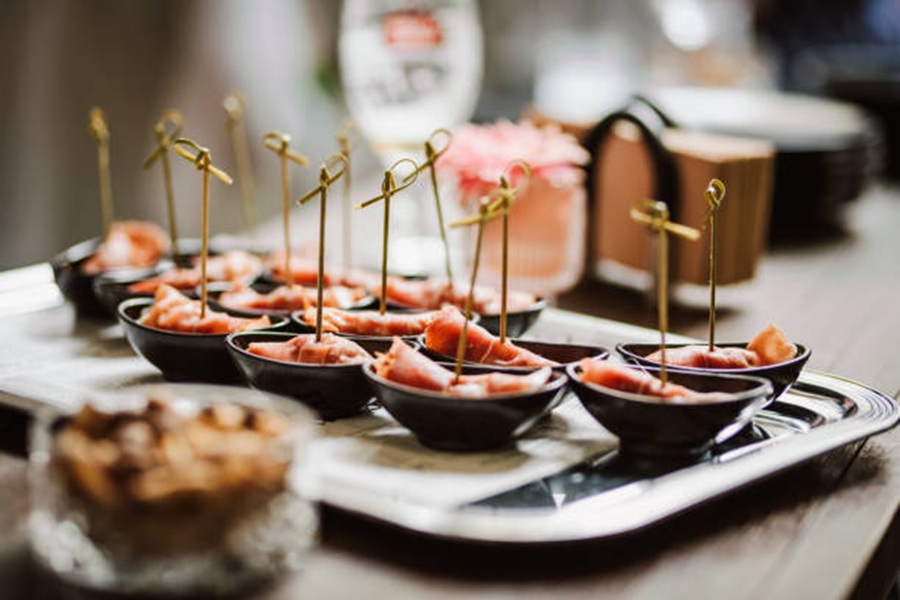
Environmental consciousness is a driving force in catering today:
– Clients prefer caterers who prioritize locally sourced ingredients, reducing carbon footprints associated with long shipping distances.
– Waste reduction is key; caterers are adopting practices such as composting leftovers or using biodegradable packaging materials.
| Sustainable Practices | Examples |
| Locally Sourced Ingredients | Farm-to-table menus |
| Ethical Packaging | Compostable plates/cutlery |
| Waste Reduction | Donation of excess food |
Exposure to diverse cuisines through travel and media has heightened the appreciation for international flavors:
– Fusion menus that combine elements from different cultures are gaining traction (e.g., Korean-inspired tacos or Indian-spiced burgers).
– Regional authenticity matters—clients increasingly seek chefs who can replicate traditional techniques with respect to origin.
Digital innovations simplify event planning while enhancing guest experiences:
– Online Ordering Platforms: Event organizers can customize orders via digital tools that streamline menu selection and payment processes. – Event Management Apps: These apps allow real-time communication between clients and caterers regarding dietary needs or last-minute changes. – Augmented Reality (AR): Some caterers use AR apps to showcase how dishes will look on tables before finalizing the presentation.
The pandemic reshaped how events are planned and executed:
– Smaller gatherings have become popular, encouraging more intimate catering experiences like family-style meals or individual grazing boxes. – Hygiene measures remain critical; individually packaged servings have replaced traditional buffet setups in many instances.
Caterers looking to align with modern trends should consider these actionable steps: 1. Collaborate closely with clients during the planning phase to address specific preferences, cultural influences, or health concerns. 2. Partner with local farmers or suppliers to source fresh ingredients sustainably. 3. Invest in technology platforms that ease communication, ordering systems, and logistics. 4. Experiment with themed menus or interactive elements based on current global culinary influences.
By consistently analyzing what drives these shifts in demand and behavior within their customer base, catering professionals can adapt nimbly while standing out in a competitive market landscape.
| Station Type | Description | Ideal For |
| Pasta Bar | Guests choose from a variety of pasta types, sauces, proteins, and toppings. | Weddings & corporate events |
| Sushi Station | Chefs prepare fresh sushi rolls in front of guests with customizable ingredients. | Upscale occasions |
| Taco Station | A build-your-own taco setup with various fillings, shells (soft/hard), and toppings. | Casual gatherings |
| Waffle Bar | Sweet or savory waffle options with condiments like syrups, fruits, or whipped cream. | Brunch events |
| Grill Station | Meats or vegetables grilled live over open flames for an interactive BBQ experience. | Outdoor celebrations |
To ensure seamless execution: – Hire experienced chefs who can perform under pressure while interacting with guests professionally. – Choose fresh ingredients that showcase vibrant colors for both taste appeal and presentation. – Plan station layouts strategically to prevent bottlenecks; consider multiple setups for larger crowds. – Incorporate allergen-friendly options clearly labeled for health-conscious attendees.
Incorporating technology can further enhance the experience: – Use digital menus displayed on tablets or screens at each station featuring ingredient information. – Introduce pre-event ordering platforms where guests customize their choices before arrival.
Interactive food stations are no longer just a luxury—they’re becoming essential elements in curated event catering. By fostering connection through shared culinary experiences, they elevate any gathering while ensuring every guest leaves satisfied.
Food waste is one of the largest contributors to environmental degradation. Catering businesses are adopting innovative strategies to tackle this issue: – Smarter menu planning: Using real-time data to predict guest counts more accurately, resulting in less leftover food. – Repurposing surplus food: Transforming excess ingredients into soups, sauces, or compost rather than discarding them. – Partnering with food banks: Donating uneaten but safe-to-consume meals to local charities.
Single-use plastics have become a growing concern, leading caterers to explore biodegradable and sustainable packaging alternatives: – Compostable takeout containers made from plant-based materials such as sugarcane fiber or cornstarch. – Edible cutlery and plates to eliminate waste altogether. – Reusable options like glass jars or metal utensils provided through rental programs.
Sourcing ingredients locally reduces transportation emissions while supporting regional farmers. Moreover, using seasonal produce ensures fresher dishes with a lower carbon footprint: | Benefit | Impact | |———————–|————————————-| | Fresher ingredients | Enhanced taste and nutrition | | Reduced emissions | Shorter transport distances | | Community support | Boosts local economies |
As plant-based diets grow in popularity, incorporating more vegetarian or vegan options into menus not only caters to evolving consumer preferences but also reduces reliance on resource-intensive animal farming: – Offering full plant-based menu options for events. – Highlighting meat alternatives like jackfruit, tofu, tempeh, and seitan. – Educating clients on the environmental benefits of reducing meat consumption.
Sustainable catering extends beyond just food; it encompasses all elements of event planning: – Encouraging clients to opt for digital invitations instead of printed ones. – Eliminating disposable decorations in favor of reusable centerpieces or potted plants that double as gifts for guests. – Partnering with venues that prioritize renewable energy sources.
To showcase their commitment to being eco-friendly, many caterers are measuring—and sharing—the sustainability metrics associated with their services: – Tracking reductions in food waste and energy use per event. – Sharing recycling rates post-event as part of client reports.
By integrating these practices into everyday operations, catering professionals can demonstrate leadership in sustainability while meeting the expectations of increasingly eco-conscious clients.
The culinary world has never been more interconnected, and this interconnectedness is shaping catering trends in remarkable ways. Global flavors and fusion menus are redefining event dining, offering guests a chance to experience diverse cuisines on a single plate. This approach not only excites the palate but also tells a story of cultural diversity and creativity that resonates with modern diners.
Several factors are driving the popularity of global flavors in catering: – Cultural Diversity: With increasingly multicultural societies, catering services must address a variety of tastes and traditions. – Travel-Inspired Palates: As people travel more frequently, they seek out dishes that remind them of their adventures abroad. – Social Media Influence: Platforms like Instagram and TikTok have exposed audiences to cuisines they may never have tried otherwise. – Curiosity and Experimentation: Consumers are now more adventurous with food, often seeking innovative combinations that blend traditional recipes with modern techniques.
Fusion menus blend elements from different cuisines to create new, exciting dishes. Here are examples of popular pairings: | Cuisine 1 | Cuisine 2 | Fusion Dish Example | |———————|——————–|——————————————| | Japanese | Mexican | Sushi tacos | | Indian | French | Masala-spiced croissants | | Korean | American | Kimchi sliders | | Mediterranean | Asian | Hummus with miso-marinated vegetables |
Offering fusion menus can set caterers apart while meeting the demand for something unique: – Appeals to a Broad Audience: Fusion menus are ideal for events where attendees have varied tastes or dietary restrictions. – Creative Freedom for Chefs: Caterers can design signature dishes that reflect their creativity. – Conversation Starter: Unique menu items encourage guests to engage with each other over food.
To incorporate global flavors into your catering service successfully:
– Use high-quality ingredients authentic to each cuisine. This ensures traditional flavor profiles remain intact even when blending styles.
– Collaborate with chefs who specialize in or are experienced in specific international cuisines. Their expertise ensures authenticity while creating fusion options.
– Offer customizable tasting stations where guests can explore various global ingredients (e.g., build-your-own poke bowls or Middle Eastern falafel wraps).
– Balance familiar elements with adventurous ones. For example, pair a traditional French pastry like a crêpe with an unexpected filling such as Thai green curry chicken.
It’s essential to accommodate dietary preferences when offering global-inspired dishes:
1. Highlight vegetarian or vegan options prominently on the menu (e.g., tofu banh mi or jackfruit tacos).
2. Clearly label allergens (gluten-free soy sauces or nut substitutes can make international cuisine more accessible).
3. Use plant-based alternatives for dairy-heavy recipes like paneer tikka masala by substituting it with tofu or cashew cheese.
As caterers embrace global flavors and fusion cooking techniques, they’re not only expanding horizons but creating memorable dining experiences that connect people through shared appreciation of diverse culinary traditions. Integrating these elements into your offerings will ensure you stay ahead in an ever-evolving industry landscape.
The art of food presentation has evolved far beyond placing dishes on a plate. In the catering world, creative presentation and food styling have become essential for crafting memorable dining experiences. It’s not just about taste anymore; it’s about creating a visual spectacle that matches the occasion and leaves guests in awe.
Food styling is no longer an afterthought; it’s a core aspect of event planning. Well-presented dishes can:
– Enhance perceived taste: Studies show that visually appealing food is often perceived as more flavorful.
– Reflect the theme or mood of an event: From elegant plating at weddings to playful designs at corporate parties, presentation ties into the event’s overall narrative.
– Encourage social sharing: Instagram-worthy plates create buzz for catering businesses by encouraging guests to share their experiences online.
| Element | Styling Recommendation |
| Serving Platters | Choose unconventional materials (e.g., stone slabs) for texture and visual interest |
| Color Palette | Match food colors with linens or décor tones for harmony |
| Centerpieces | Incorporate edible elements (e.g., herb bouquets) alongside traditional decorations |
| Lighting | Use warm lighting to highlight textures and colors of the food |
For inspiration on creative presentation ideas:
– A seafood station featuring oysters served on beds of natural ice with seaweed garnishes evokes freshness while being visually striking. – Miniature desserts placed on tiered trays arranged like a garden scene create both accessibility and aesthetic appeal. – Individual charcuterie boards styled with precision give each guest a personalized culinary journey without sacrificing refinement.
By blending artistic flair with thoughtful execution, creative presentation can elevate an event from ordinary to extraordinary—leaving lasting impressions far beyond the meal itself.
In the world of catering, presentation has evolved far beyond simply serving food on a plate. Today, it’s about creating an experience that captures attention and leaves a lasting impression. Creative presentation and food styling are not just about aesthetics; they are powerful tools for storytelling, enhancing the dining experience, and reflecting a brand or event theme.
| Serving Concept | Example |
| Edible containers | Lettuce cups instead of plates |
| Miniature portions | Mini cheesecakes in jars |
| Deconstructed dishes | DIY bruschetta platters |
Creative presentation has also gained importance due to social media’s influence on dining experiences. Guests are eager to capture “Instagram-worthy” moments during events—a trend that has prompted caterers to prioritize visually striking setups such as dessert walls or curated grazing tables.
By combining artistry with function and storytelling through design choices, creative presentation transcends its aesthetic purpose—it becomes an integral part of modern catering experiences that guests remember fondly long after the event ends.
The catering industry is undergoing a remarkable transformation as technology plays an increasingly pivotal role in shaping the dining experience. From streamlining operations to enhancing guest engagement, digital tools are redefining how caterers approach events of all sizes. This section explores how technology is being leveraged to create seamless, innovative, and memorable catering experiences.
These advancements enable caterers to focus more on creative aspects while reducing operational burdens.
With remote work culture on the rise, virtual events have gained traction in corporate catering. Caterers are adapting by offering curated delivery kits paired with online cooking experiences or wine tastings led by professional chefs or sommeliers via video platforms such as Zoom or Teams.
| Feature | Example Use Case | Benefits |
| Curated Delivery Kits | Pre-portioned gourmet meal kits delivered | Engages remote attendees |
| Virtual Cooking Classes | Chef-led instruction during live events | Combines learning with entertainment |
| Wine/Pairing Tastings | Online pairing workshops | Adds sophistication to virtual events |
On the back end, innovations like IoT (Internet of Things) devices are revolutionizing kitchen efficiency: – Smart Ovens & Appliances: These ensure consistent preparation for large-scale events. – Temperature Sensors: Real-time monitoring prevents mishaps during food storage or transport.
Such tools ensure quality control even under tight schedules.
Social media remains integral in amplifying digital catering experiences: – Live-streamed cooking demos during private events build buzz. – Instagrammable moments like digital projection mapping on food displays captivate audiences online.
With photo-friendly presentations going viral quickly on platforms like Instagram or TikTok, caterers boost their visibility while providing unforgettable guest impressions.
While technology opens doors for innovation, certain challenges persist: 1. The learning curve associated with adopting new systems. 2. High initial investment costs for advanced tech solutions. 3. Balancing automation without losing the personal touch crucial in hospitality services.
However, technological advances continue evolving rapidly—offering untapped potential for sustainability integrations (e.g., AI tools predicting surplus ingredients), hybrid event models blending physical/virtual experiences seamlessly; thus pushing boundaries further within modern-day catering practices.