Online
Reservation
Integer congue malesuada eros congue varius. Sed malesuada dolor eget velit pretium. Etiam porttitor finibus. Nam suscipit vel ligula at dharetra
Integer congue malesuada eros congue varius. Sed malesuada dolor eget velit pretium. Etiam porttitor finibus. Nam suscipit vel ligula at dharetra

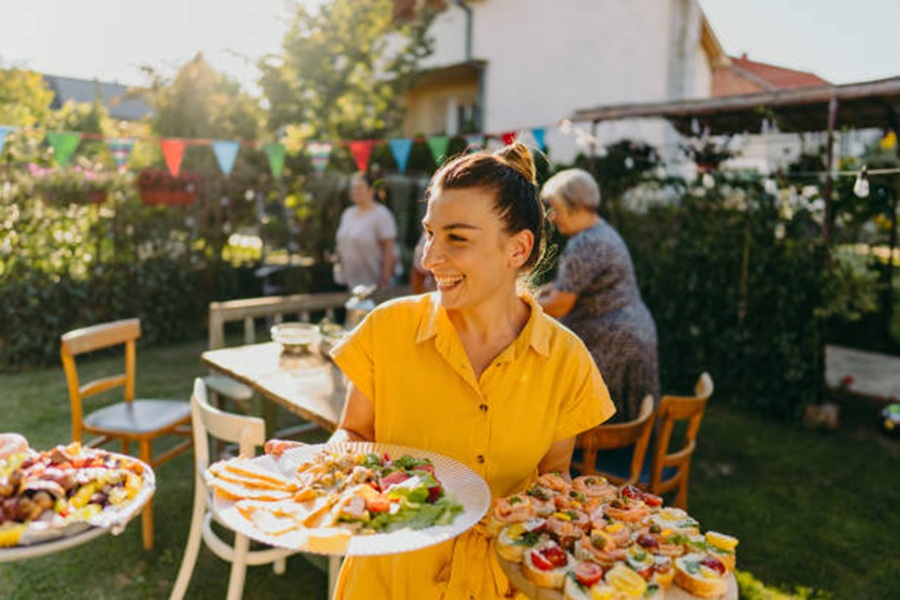
Outdoor catering refers to the provision of food, beverages, and related services in open-air settings such as gardens, parks, rooftops, beaches, or other outdoor locations. It is a versatile service that brings professional catering to locations outside traditional indoor venues like banquet halls or restaurants. Whether for weddings, corporate events, family gatherings, or festivals, outdoor catering allows hosts to create unique and memorable dining experiences in natural or unconventional spaces.
The main distinction of outdoor catering lies in its ability to adapt to varied environments while maintaining high standards of quality and service. From tailored menus and portable cooking setups to creative serving stations and mobile bars, outdoor catering is designed to meet the demands of being outside—where conditions may not always allow for traditional kitchen facilities.
| Event Type | Examples | Common Features |
| Personal Events | Weddings, birthday parties | Customized menus; elegant décor |
| Corporate Events | Team-building retreats; product launches | Professional setup; branded presentations |
| Public Gatherings | Festivals; community events | High-volume service; diverse food options |
Outdoor settings often provide a refreshing departure from traditional event venues. The ambiance created by natural surroundings can elevate the overall experience for guests while allowing more flexibility in event design. For example:
– A wedding reception on the beach offers picturesque views and a relaxed atmosphere. – A corporate retreat in a vineyard provides both intimacy and exclusivity. – A community food festival held at an urban park fosters inclusivity and connection.
With proper planning and expertise from professional caterers who specialize in outdoor setups, hosts can ensure seamless execution regardless of location-specific challenges.
Outdoor venues typically allow easy accessibility: – Parking Availability: Many outdoor venues provide ample parking space compared to city-center indoor locations. – Family-Friendly Environment: Open areas are perfect for families with children as there’s plenty of space for kids to move around freely.
Often, outdoor spaces like private gardens or public parks can be rented at a fraction of the cost of formal banquet halls. Combined with simpler decor (given natural surroundings), hosts may save significantly on overall expenses.
| Benefit | Description |
| Atmosphere | Relaxed vibe with customizable themes |
| Flexibility | Adaptable layouts; accommodates large groups |
| Menu Options | Live cooking stations; seasonal menus |
| Guest Comfort | Family-friendly setup; accessible parking |
| Cost Efficiency | Lower venue costs paired with simplified decor |
Outdoor events lend themselves well to sustainable practices: – Using biodegradable utensils or plates made from materials like palm leaves. – Opting for reusable linens instead of single-use disposables. – Implementing waste management systems on-site such as compost bins or recycling stations.
By considering these benefits when planning an outdoor catered event, organizers can create an experience that aligns with their vision while prioritizing comfort and practicality.
Outdoor catering is an appealing choice for events, but it comes with its own set of challenges that need to be carefully managed. Understanding these obstacles is essential for ensuring a seamless and enjoyable experience for both hosts and guests. Below are some common challenges associated with outdoor catering, along with strategies to address them effectively.
Weather unpredictability remains one of the biggest hurdles in outdoor catering. Rain, wind, extreme heat, or cold can disrupt even the most meticulously planned event.
How to Mitigate: – Always have a contingency plan in place, such as setting up tents or marquees. – Work closely with your caterer to ensure food stations can be easily relocated if needed. – If the event is during hot weather, ensure hydration options like chilled drinks and shaded seating areas.
Outdoor events often require location-specific permits, health regulations compliance, and adherence to noise restrictions. Overlooking these legalities can lead to disruptions or penalties.
How to Prepare: – Research local laws and obtain necessary permits well in advance. – Confirm that your caterer complies with health and safety standards. – Partner with venues that are experienced in hosting outdoor events; they may already have processes in place.
Maintaining proper food temperature outdoors can be challenging due to exposure to the elements like heat or humidity. This has implications for food quality and safety.
Solutions: – Use insulated containers or heating trays for hot foods. – Keep cold foods chilled using ice packs or portable refrigeration units. – Consult your caterer about their food safety practices for outdoor environments.
Outdoor venues often lack built-in amenities like kitchens, electricity, or water sources that are readily available at indoor venues. This can complicate food preparation and service delivery.
Ways Around It: – Choose caterers experienced in off-site events who bring their own portable kitchen setups. – Rent generators for electricity needs and portable sinks for water access. – Plan menus suited for limited on-site preparation if resources are constrained.
| Challenge | Solution Options |
| Unpredictable Weather | Tents, shaded areas, backup indoor locations |
| Permits & Regulations | Research local laws; ensure health compliance |
| Food Safety | Insulated containers; refrigeration |
| Logistics | Portable kitchen setups; generator rentals |
Outdoor events expose guests to environmental factors like bugs, uneven terrain, or lack of shade/seating—leading to potential discomfort during the event.
Recommendations: – Provide bug repellents at entry points or use citronella candles near dining areas. – Opt for leveled ground when setting up tables and ensure accessibility for all guests. – Include plenty of shaded seating options along with fans if temperatures are high.
Costs can escalate quickly when organizing an outdoor event due to additional rentals (e.g., tents) and transportation logistics.
Tips: – Create a detailed budget that accounts for extra rentals such as furniture, tents, power sources, etc. – Discuss package rates with your catering service provider since bundling services may reduce overall costs.
By identifying these challenges early on and implementing strategic solutions tailored to each issue, you can significantly minimize unexpected disruptions during an outdoor catered event while creating a memorable experience for everyone involved.
| Utility Requirement | Possible Solution |
| Cooking Equipment | Portable stoves/grills |
| Lighting | String lights/LEDs |
| Refrigeration/Freezing | Mobile coolers |
By addressing these considerations early during the planning process, you’ll create a seamless experience for both guests and vendors alike while avoiding common pitfalls associated with outdoor catering events.
Selecting the right outdoor catering service is essential for ensuring the success of your event. The process involves assessing your specific needs, researching potential providers, and evaluating their ability to deliver on your expectations. Below are some key steps and considerations to guide you through making this important decision.
Before you even begin reaching out to catering services, it’s important to have a clear understanding of what your event requires: – Guest Count: Know how many people will be attending—this directly impacts budget, menu planning, and logistics. – Event Type: Is it a casual gathering, a formal event, or something in between? The tone of the event often determines the type of catering service required. – Dietary Restrictions: Consider any dietary preferences or restrictions among your guests, such as vegetarian options or allergen-free meals.
– Venue Details: Outdoor venues may pose specific challenges like limited kitchen facilities or unpredictable weather. Share these details with potential caterers upfront.
Once you’ve outlined your requirements, start researching local catering services that specialize in outdoor events: – Look for caterers with experience in outdoor settings—they should have knowledge of handling logistics like portable cooking stations or serving food in unpredictable environments. – Read online reviews and testimonials from past clients to gauge reliability and quality. – Ask for referrals from friends, family, or colleagues who’ve hosted similar events.
Food is often the centerpiece of any catered event—be sure the caterer can meet your expectations: – Review sample menus to ensure they align with your preferred cuisine style (e.g., BBQ, fine dining, buffet). – Confirm that they can customize menus for special requests such as vegan dishes or gluten-free options. – Ask about seasonal ingredients or locally sourced produce if sustainability is a priority for you.
Outdoor events often require additional support beyond just providing food. Evaluate whether the caterer offers comprehensive services: | Service Aspect | Questions to Ask | |—————————|———————————————————————————-| | Equipment Rentals | Do they provide tables, chairs, linens, and serving utensils if needed? | | Staff Availability | Will waitstaff or bartenders be included? What are their roles during the event? | | Clean-Up Services | Do they handle cleanup post-event? |
A tasting session allows you to sample their dishes before committing: – Schedule tastings well in advance so adjustments can be made if necessary. – Use this opportunity to observe presentation standards and discuss portion sizes.
Verify that the catering service operates legally and adheres to health regulations: – Request proof of proper licenses for food preparation and sales. – Ensure they carry liability insurance in case any issues arise during the event.
Budgeting is a critical factor in choosing an outdoor caterer: – Request a detailed quote outlining all costs—including potential fees for transportation or equipment rentals. – Clarify payment terms (e.g., deposit amounts and deadlines) upfront.
Finally, assess how well potential caterers communicate: – Are they prompt in answering questions? – Do they offer suggestions based on their expertise?
The right outdoor catering partner will not only provide delicious food but also alleviate much of the stress involved in hosting an event outdoors. By following these steps carefully and taking time to evaluate each option thoroughly, you’ll ensure that your catered experience leaves guests impressed while meeting all practical needs effortlessly.
Outdoor catering requires precise planning, creativity, and attention to detail to ensure that every event runs smoothly. Whether hosting a small gathering or a grand celebration, the following tips can help make your outdoor catering experience successful and memorable.
Designing a menu that aligns with the season not only enhances freshness but also ensures practicality for outdoor environments:
– Summer menus: Focus on light dishes such as salads, grilled items, and chilled desserts.
– Winter menus: Offer warm dishes like soups, roasted meats, and hot beverages to keep guests comfortable.
– Incorporate locally sourced ingredients where possible to highlight regional flavors.
Outdoor settings can introduce additional food safety challenges due to temperature variations or limited facilities. Maintain high hygiene standards by:
– Using coolers with ice packs to store perishable items at appropriate temperatures (below 40°F).
– Keeping hot foods in insulated containers to maintain temperatures above 140°F until served.
– Ensuring proper handwashing stations are available for staff handling food preparation.
The way food is presented plays an integral role in guest satisfaction:
– Use creative serving stations or themed setups that complement the event’s décor.
– Opt for sturdy tableware that suits outdoor conditions—avoid fragile materials prone to breaking in windy situations.
– Arrange buffet tables strategically to allow smooth traffic flow while preventing overcrowding.
| Element | Recommendations |
| Serving Stations | Opt for stylish yet practical setups with easy access |
| Tableware | Use durable materials resistant to tipping or damage |
| Décor | Complement surroundings using natural accents like flowers or rustic elements |
Clear communication ensures that expectations are met:
1. Discuss dietary preferences early on (e.g., vegetarian/vegan options).
2. Confirm an accurate headcount well in advance of the event date. 3. Establish roles between catering staff and other vendors involved (e.g., decorators).
Finally, consider additional details that enhance guest comfort:
1. Offer shaded seating areas during warm-weather events. 2. Arrange portable heaters if temperatures are likely to drop in the evening. 3. Ensure adequate trash disposal options throughout the venue—this promotes cleanliness effortlessly.
With careful preparation and thoughtful execution using these tips as guidance—not only will events run seamlessly but they’ll also leave lasting positive impressions among attendees.
The menu should be practical yet appetizing for an open-air event: – Choose dishes that can endure exposure without losing quality (e.g., foods that won’t wilt in heat or spoil quickly). – Include finger foods and pre-portioned items that are easy to serve and eat standing up. – Take dietary preferences into account by offering vegetarian, vegan, gluten-free, or allergen-free options.
| Weather Condition | Recommended Food Types | Avoidable Food Types |
| Hot Weather | Chilled salads, grilled items | Cream-based dishes |
| Cold Weather | Warm soups, roasted vegetables | Cold desserts (except heated areas) |
| Rainy Conditions | Pre-packaged snacks in waterproof wraps | Foods needing excessive plating |
Outdoor events often require portable solutions: – Bring appropriate equipment such as mobile kitchens, barbecue grills, chafing dishes with heat sources like Sterno cans. – Test all equipment before the event begins to avoid malfunctions on-site.
Food safety is even more critical outdoors due to variable factors like temperature shifts: – Store perishable ingredients in coolers with ice packs until needed. – Use covered containers to keep food protected from insects and debris. – Train staff on safe handling practices including sanitation measures like wearing gloves.
Outdoor settings allow you to enhance guest experiences with thoughtful decor: – Use eco-friendly tableware such as biodegradable plates and wooden cutlery that blend seamlessly with natural surroundings. – Utilize lighting creatively — lanterns for late evening events or string lights hung between trees create a warm ambiance.
A well-trained team ensures smooth operations: – Allocate roles clearly among caterers — buffet management, refilling stations, and cleanup responsibilities should be pre-assigned. – Maintain an adequate ratio of servers-to-guests depending on service style (buffet vs plated dining).
Before heading out on event day: 1. Double-check venue-specific regulations/licenses are finalized. 2. Verify all catering supplies (food storage containers, disposable utensils). 3. Confirm delivery times with vendors providing additional rentals (tables/chairs/tents). 4. Conduct a full equipment test run at least one day prior.
By following these tailored tips specific for outdoor catering scenarios, you can ensure the satisfaction of guests while minimizing logistical headaches often associated with hosting events in open environments.