Online
Reservation
Integer congue malesuada eros congue varius. Sed malesuada dolor eget velit pretium. Etiam porttitor finibus. Nam suscipit vel ligula at dharetra
Integer congue malesuada eros congue varius. Sed malesuada dolor eget velit pretium. Etiam porttitor finibus. Nam suscipit vel ligula at dharetra

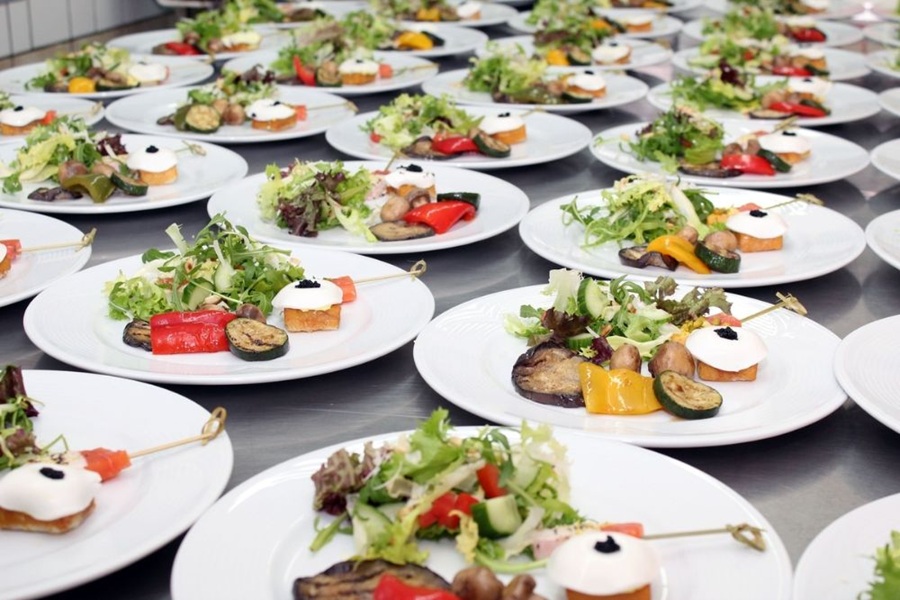
Primary catering refers to the provision of food and beverage services as a core business activity. This means that the organization’s primary focus is on preparing, serving, and delivering meals to meet the needs of its clientele. It stands apart from industries where food service is a secondary or complementary function (as seen in hotels or airlines). In essence, primary catering businesses revolve entirely around creating dining experiences—whether through dine-in, delivery, or event-based services.
This form of catering is deeply rooted in customer satisfaction as it caters to a wide range of audiences including individuals, schools, corporations, and events. Understanding its scope requires examining the foundational aspects that make this industry an essential component of modern hospitality and foodservice landscapes.
Primary catering spans several different sectors. Here are some common examples: 1. Restaurants
– Standalone establishments focusing exclusively on dine-in services. – Menu variety often reflects cultural cuisines or modern trends like plant-based options.
2. Cafeterias
– Found in schools, corporate offices, or hospitals where meal provision is a necessity for operational convenience. 3. Event Catering Services
– Companies specializing in weddings, parties, or conferences with diverse menu offerings tailored to specific occasions.
With advancements in technology: – Online ordering platforms have made it easier for customers to access primary catering services. – Software tools help streamline kitchen operations by managing inventory levels and tracking ingredient costs efficiently. – Marketing through social media enables smaller primary caterers to connect directly with their target audience.
| Feature | Description | Example |
| Core Purpose | Food preparation/service as main business activity | Restaurants |
| Customer Adaptability | Tailoring dishes/services based on client needs | Weddings |
| Dependence on Quality | High emphasis on meal safety/taste/presentation | Cafeterias |
| Technology’s Contribution | Simplifies operations & enhances customer reach | Delivery Apps |
Through these features and examples described above, it’s evident that primary catering remains integral not only to dining culture but also serves practical purposes across a variety of industries.
Primary catering and secondary catering are two distinct segments within the foodservice industry, and understanding their differences is crucial for businesses, institutions, and professionals seeking to leverage their unique benefits. Below, we examine what sets these two categories apart in terms of purpose, target audience, operations, and scope.
| Aspect | Primary Catering | Secondary Catering |
| Core Service | Food preparation and service | Supportive/ancillary role |
| Menu Complexity | Often more diverse | Typically limited menus |
| Infrastructure Focus | Fully equipped kitchens | Smaller-scale kitchen facilities |
| Marketing Strategy | Focuses solely on attracting diners | Tied into broader branding |
In terms of customer engagement: – Businesses focused on primary catering must prioritize creating memorable dining experiences with innovative offerings and excellent hospitality. – In secondary catering contexts like event venues or workplaces with cafeterias, the focus shifts toward seamless integration—ensuring meals complement core offerings without detracting from them.
Understanding how these two types of catering differ helps decision-makers design more effective services tailored to client needs. While primary catering revolves entirely around providing meals as its central function, secondary entities lean heavily into enhancing auxiliary experiences through food offerings that align with their main objectives.
Primary catering businesses are essential providers of food and beverage services, focusing on fulfilling the everyday dining needs of individuals in various settings. They operate in diverse environments, each tailored to meet specific client requirements. Below is an in-depth look at the most common types of primary catering businesses, highlighting their unique characteristics and roles.
| Institution Type | Key Focus Areas | Example Foods Served |
| Schools/Universities | Cost-effective nutrition | Sandwiches, salads, pasta |
| Hospitals | Specialized dietary needs | Low-salt meals, gluten-free dishes |
| Corporate Canteens | Convenience during work breaks | Grab-and-go items, coffee stations |
Examples include global chains like burger franchises as well as locally-owned takeaway shops offering pizza or fried chicken.
| Business Type | Typical Clientele | Unique Features |
| Restaurants | General public | Dine-in experiences |
| Institutional | Students/employees/patients | Focused menus tailored by institution |
| Event Catering | Event organizers/attendees | Customizable offerings |
| Fast Food Outlets | Time-constrained consumers | Speedy service with standardized recipes |
| Cafés | Casual diners | Light snacks & beverages |
| Food Trucks | Urban dwellers/event crowds | Mobility & innovative concepts |
Each type of primary catering business plays an invaluable role in meeting the culinary needs of different groups while contributing significantly to local economies through employment opportunities and community engagement efforts. Recognizing these categories helps us appreciate the variety that exists within this industry while also understanding how they adapt to evolving consumer demands.
| Dietary Option | Example Meals | Target Audience |
| Gluten-Free | Grilled chicken with quinoa | Individuals with gluten intolerance |
| Vegan | Lentil curry with rice | Plant-based eaters |
| Low-Sodium | Baked salmon with vegetables | Individuals managing heart health issues |
Although not always the focus of primary catering businesses (as event-based services lean towards secondary catering), some providers offer small-scale event catering: – Internal business functions such as meetings or employee celebrations. – School-related events like teacher appreciation lunches.
Primary caterers may also provide advisory services related to nutrition: – Collaborating with dietitians or nutritionists to craft balanced meal options. – Educating organizations on the long-term benefits of nutritious eating habits for employees or students.
Primary catering providers need to keep several factors in mind when structuring their offerings: – Scalability: Ensuring the capacity to handle fluctuating demands during peak hours (e.g., lunch breaks). – Food Safety Compliance: Adhering strictly to local health regulations regarding storage temperatures, hygiene protocols, etc. – Sustainability Practices: Incorporating eco-friendly practices such as reducing food waste and using sustainable packaging materials when applicable.
The diversity in these services highlights how adaptable primary catering can be for various settings while maintaining its core goal—providing reliable and consistent meal solutions that prioritize quality and customer satisfaction.
Primary catering plays a vital role in supporting businesses and institutions by offering tailored food services that meet the needs of specific populations. This section explores the advantages of primary catering, focusing on its value for operational efficiency, employee or client satisfaction, and overall well-being.
Companies that provide excellent dining solutions send a strong message about their commitment to employee welfare. This can enhance brand reputation among staff while attracting prospective talent who value workplace amenities.
Many primary caterers are adopting eco-friendly practices such as sourcing local ingredients or minimizing food waste: – Utilizing compostable packaging materials – Partnering with local farmers for fresh produce This trend aligns with corporate social responsibility goals and enhances environmental stewardship efforts.
When implemented thoughtfully, primary catering acts as a strategic partner for businesses and institutions aiming to deliver high-quality meal experiences while achieving broader organizational objectives.
Primary catering businesses must strike a delicate balance between managing costs and maintaining high-quality food and service standards. This challenge spans multiple aspects:
– Ingredient Sourcing: Procuring fresh, high-quality ingredients can be expensive. Establishing relationships with reliable suppliers or buying in bulk can help control costs without compromising quality.
– Menu Planning: Offering a diverse menu that appeals to clients while staying within budget constraints demands creativity and careful planning. Seasonal menus can help reduce costs by using ingredients that are readily available.
Ensuring compliance with food safety regulations is critical but also challenging due to the complexity of operations in primary catering.
– Regular training for staff on hygiene practices and proper food handling techniques is essential. – Implementing rigorous quality checks during preparation, storage, and transportation helps minimize risks associated with contamination. – Staying updated with local food safety laws ensures adherence to ever-evolving regulations.
Recruitment, training, and retention of skilled staff are significant hurdles for primary catering providers due to the demanding nature of the industry. – High employee turnover rates can disrupt continuity in services and increase recruitment costs. – To address this, focus on providing competitive wages, clear career advancement opportunities, and a positive work environment for employees. – Cross-training team members ensures operational flexibility during busy periods or unexpected staff shortages.
Primary catering businesses often serve institutions such as hospitals or schools where clients expect consistent service quality every day. – Clear communication with clients about their needs can help identify expectations from the outset. – Collecting regular feedback enables businesses to make improvements promptly.
The logistical complexity involved in delivering meals across locations is another challenge: – Coordinating timely delivery while maintaining food freshness requires robust supply chain systems. – Investing in temperature-controlled vehicles or insulated containers is crucial for preserving meal quality over long distances.
| Logistical Factor | Solution |
| Timely Delivery | Plan delivery routes systematically using technology like GPS tracking systems |
| Meal Freshness | Use insulated containers or temperature-controlled vehicles |
| Supply Chain Efficiency | Partner with reliable vendors for consistent supply flow |
Consumer preferences are constantly evolving based on dietary trends (e.g., plant-based options) or health concerns (e.g., low-sodium meals). Staying relevant requires monitoring market trends closely: – Regularly updating menus with new offerings aligned to consumer demand keeps services appealing. – Investing in recipe development allows adaptation without sacrificing taste or nutritional value.
By understanding these challenges and implementing proactive measures, primary catering operations can run more smoothly while providing high-quality experiences tailored to client needs.
The food service industry is ever-evolving, and primary catering is no exception. Shifting consumer preferences, advancements in technology, and growing environmental awareness are shaping the future of this sector. For businesses and institutions relying on primary catering services, these trends signify both opportunities and challenges.
| Trend | Key Impact | Benefit |
| Sustainability | Reduced environmental footprint | Enhanced brand reputation |
| Technology Integration | Improved efficiency & customer experience | Cost savings & faster operations |
| Personalization | Tailored services for diverse needs | Higher client satisfaction |
| Health-Conscious Focus | Promotion of wellness | Competitive advantage |
| Ghost Kitchens | Lower operational costs | Greater scalability |
The future of primary catering is dynamic and multifaceted, driven by innovation and changing societal values. Businesses that proactively adapt to these trends will not only stay relevant but also thrive in an increasingly competitive landscape.