Online
Reservation
Integer congue malesuada eros congue varius. Sed malesuada dolor eget velit pretium. Etiam porttitor finibus. Nam suscipit vel ligula at dharetra
Integer congue malesuada eros congue varius. Sed malesuada dolor eget velit pretium. Etiam porttitor finibus. Nam suscipit vel ligula at dharetra

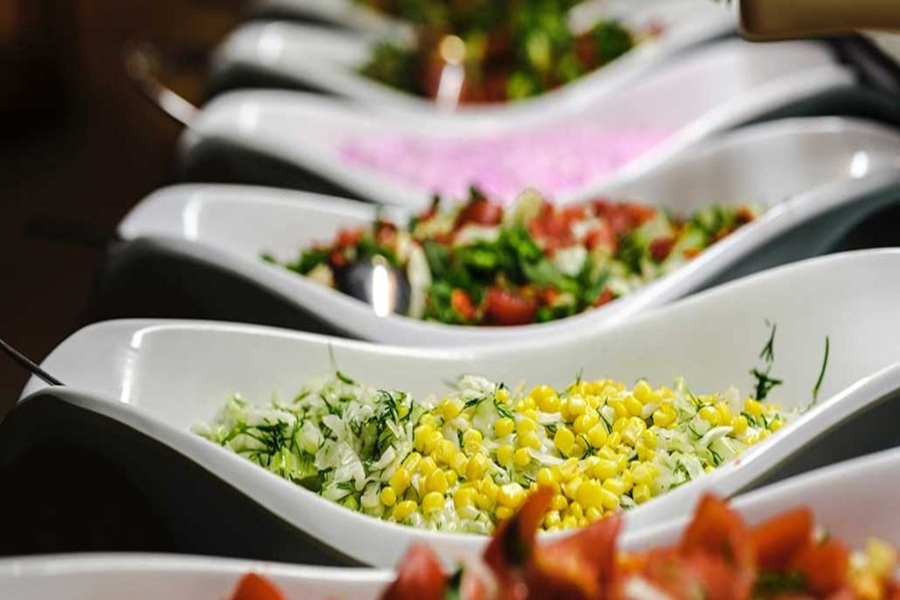
When planning a catered meal, understanding your specific needs is the first step to ensuring a seamless experience. Catering can vary greatly depending on the event type, the number of attendees, dietary preferences, and logistical considerations. Taking time to evaluate these factors will guide you in selecting the most suitable and easiest options for your situation.
| Event Type | Ideal Meal Options | Why It’s Easy to Cater |
| Casual Office Lunch | Sandwich platters and salads | Minimal preparation; easily customizable |
| Outdoor Party | BBQ stations or boxed picnic meals | Portable; simple cleanup |
| Wedding Reception | Buffet-style dishes | Allows variety without individual plating |
| Family-style Dinner | Pre-portioned comfort foods | Shared dishes reduce serving complications |
Taking time to evaluate these factors not only simplifies decision-making but also ensures that both you and your guests have an enjoyable experience. Once you’ve identified what kind of catering aligns with your event’s purpose and limitations, moving forward becomes much more manageable.
When planning a catered meal, simplicity and efficiency often guide the decision-making process. Certain meal types stand out as particularly easy to cater due to their versatility, cost-effectiveness, and broad appeal. Below are some of the top contenders for meals that balance convenience with guest satisfaction.
Sandwich platters are a classic choice for catered events due to their simplicity and ability to cater to diverse dietary preferences. These meals can be easily customized with vegetarian, vegan, gluten-free, and meat-based options, ensuring everyone has something to enjoy.
Advantages of Sandwich Platters: – Portable and easy to serve. – Requires minimal utensils—just napkins or plates. – Wide variety of fillings can accommodate different tastes. – Affordable compared to more elaborate catering options.
Popular Combinations: | Meat-Based Options | Vegetarian Options | Gluten-Free Alternatives | |———————|——————–|————————–| | Turkey & Swiss | Caprese (Mozzarella & Tomato) | Lettuce wraps with grilled chicken | | Roast beef & cheddar | Hummus & roasted vegetables | Gluten-free bread sandwiches |
Pasta dishes rank high among the easiest meals to cater because they are hearty, filling, and cost-effective. Options such as lasagna trays or pasta bars allow guests to choose their preferred toppings or sauces.
Advantages of Pasta Dishes: – Easy bulk preparation in advance. – Can be kept warm in chafing dishes without overcooking. – Customizable for dietary restrictions (e.g., gluten-free pasta or dairy-free sauces).
Popular Catered Pasta Ideas: – Lasagna trays: Meat-based or vegetarian options.
– Build-your-own pasta bar: Let guests choose from a variety of noodles (penne, spaghetti) and sauces (marinara, Alfredo).
Taco bars provide a fun way for guests to assemble their own meals while accommodating diverse palates. This option is particularly popular at casual gatherings.
Advantages of Taco Bars:
– Highly customizable—guests can choose their own fillings and toppings.
– Accommodates different dietary needs with ease (e.g., vegetarian beans or gluten-free tortillas).
Components of a Taco Bar:
Base Options: Soft flour tortillas, hard taco shells, corn tortillas (gluten-free).
Toppings: Lettuce, diced tomatoes, shredded cheese, guacamole, salsa varieties.
Proteins: Shredded chicken, ground beef, grilled vegetables.
Salad bars are refreshing yet simple options that allow people to craft their own healthy plate while avoiding common allergens like gluten or dairy.
Why Choose Salad Bowls/Salad Bars? – Requires no complex preparation—ingredients can be served raw or pre-cooked in advance. – Easy cleanup with disposable serving bowls/trays.
Examples of Popular Salad Bar Ingredients: | Base Greens | Proteins | Toppings | |——————-|——————|—————————| | Romaine lettuce | Grilled chicken | Croutons | | Spinach | Hard-boiled eggs | Diced cucumbers | | Arugula | Quinoa | Nuts/seeds (almonds/sunflower seeds) |
For events where full meals aren’t required—or when you want variety—finger foods offer a practical yet elegant option.
Benefits of Finger Foods: – Minimal setup required; many items come pre-prepared by catering services. – Bite-sized portions reduce food waste while keeping the menu diverse.
Examples: 1. Mini sliders (beef/chicken/veggie). 2. Spring rolls with dipping sauce. 3. Cheese boards paired with fresh fruit.
By selecting any one—or even combining several—of these meal options based on your event’s style and guest preferences, you can ensure an enjoyable dining experience without unnecessary stress during catering arrangements.
When choosing meals that are easy to cater, a variety of factors come into play. Simplicity in preparation, the ability to accommodate dietary restrictions, ease of transport, and minimal on-site assembly all contribute to making certain meals more practical for catering. Below are the key reasons why some meals stand out as the easiest options for catering.
Some catered meals require very little preparation or cooking time, which makes them ideal for both caterers and hosts. Pre-assembled or easily prepped dishes significantly reduce labor and time commitment.
The easiest meals to cater tend to be those that appeal to a broad audience. Neutral flavors and customizable options allow guests with different preferences or dietary needs to enjoy the meal without complications.
Meals that travel well without losing texture, flavor, or presentation are generally easier to cater. Certain dishes hold their quality even after being transported from kitchen to venue.
| Factor | Examples |
| Requires no reheating | Finger foods (sliders), charcuterie boards |
| Maintains heat well | Casseroles, pasta bakes |
| Easy assembly | Sandwiches, taco bars |
Meals that lend themselves well to customization make it easier for you as a host—or your catering team—to accommodate common dietary restrictions such as vegetarianism, gluten intolerance, or nut allergies.
Providing clear labels for allergens is a thoughtful touch that reassures guests while reducing back-and-forth communication between attendees and servers.
A lesser-discussed but equally important aspect of catering is post-event cleanup. Certain meal types lend themselves better to efficient clean-up processes due to low mess potential and disposable serving options.
By considering these elements—minimal prep time, crowd-friendly menus, transportability, dietary inclusivity, and manageable cleanup—you can easily identify which types of meals will make your event both successful and stress-free from a catering perspective.
Choosing a streamlined menu helps reduce complications. Select dishes that are:
– Easy to Prepare and Transport: Foods like wraps or casseroles hold up well during transport and reheating.
– Versatile: Dishes that can cater to various tastes (e.g., customizable taco bars) add flexibility without complicating planning.
– Scalable: Meals like buffet-style pasta or rice dishes are easy to scale for varying group sizes.
Collaborating with an experienced caterer can make all the difference. When choosing one:
– Look for providers who specialize in your selected cuisine or dietary needs.
– Review their reviews and portfolio to assess consistent quality and reliability.
– Discuss your budget openly to find cost-effective solutions without sacrificing quality.
Self-serve setups not only reduce wait times but also create a more relaxed dining experience for your guests—and require less staff involvement from you or your caterer. Examples include:
– Salad bars with various toppings and dressings.
– Taco stations where guests can build their own plates using provided ingredients. – Pasta buffets with multiple sauces and protein options.
| Self-Serve Setup Benefits | Description | Example |
| Flexibility | Guests customize their dishes | Salad bar with toppings |
| Efficiency | Reduces need for serving staff | Buffet-style meals |
| Guest Satisfaction | Suits individual preferences | Taco station allowing customized choices |
Preparing logistical details ahead of time ensures smooth execution on the event day: 1. Serving Style: Decide between buffet, plated meals, or family-style service based on venue size and guest count. 2. Equipment Rental: Confirm what items (e.g., serving utensils, chafing dishes) you’ll need to rent—especially if your caterer doesn’t provide them. 3. Setup Time: Check with the venue about how early you can start setting up food stations. 4. Leftover Management: Have a plan for packaging leftovers so they don’t go to waste.
Effective communication minimizes last-minute surprises: 1. Provide detailed timelines so everyone understands expectations. 2. Double-check delivery schedules, especially on busy weekends. 3. Share any special instructions about food handling (e.g., temperature-sensitive items).
By taking these proactive measures, you’ll not only minimize stress but also create an enjoyable experience both for yourself and everyone attending your catered event.
When determining the easiest meals to cater, several factors come into play, including simplicity of preparation, ease of transport, wide appeal to guests, and suitability for a variety of dietary preferences. Understanding why certain meals are particularly well-suited for catering can help make your event planning process smoother and more efficient.
Some meals are inherently easier to cater because they require minimal on-site preparation or cooking. Instead of opting for complex dishes that demand precise timing or specialized equipment, the following meal options are ideal: – Buffet-style spreads: These include items like pasta bars, taco stations, or sandwich platters that can be pre-assembled or easily customized by guests. They allow caterers to prepare most elements in advance. – One-pot dishes: Options like casseroles, baked ziti, or hearty stews minimize the need for multiple cooking stations and utensils. – Cold or room-temperature dishes: Salads (pasta salads, green salads), charcuterie boards, and finger foods require no reheating.
By focusing on these types of meals, you reduce logistical challenges while still offering flavorful and satisfying options.
Meals suited to catering should also travel well without losing quality. The following characteristics often define highly transportable meals: – Dishes that don’t rely on delicate presentation (e.g., layered lasagnas rather than plated fine dining dishes). – Foods with sauces or broths that help retain moisture during transport. – Items served in durable containers designed for reheating or direct serving.
Catering professionals often use insulated carriers and warming trays to ensure food stays at the appropriate temperature. Choosing meals that hold up during transportation eliminates concerns about spoilage or soggy textures upon arrival.
Another reason certain meals are easier to cater is their ability to accommodate diverse dietary needs without requiring entirely separate menus. For example: – Pasta bars can include gluten-free noodles alongside traditional ones. – Taco spreads can offer vegetarian fillings like beans and grilled vegetables as alternatives to meat-based options. – Salad bars let guests choose their preferred ingredients while avoiding allergens like nuts or dairy.
This flexibility reduces the complexity of planning without compromising guest satisfaction.
The easiest catered meals also tend to be crowd favorites—familiar dishes that suit a variety of palates. Options such as pizza spreads with various toppings, sliders with different protein choices (beef, chicken, plant-based), or homestyle comfort foods like mac-and-cheese trays simplify decision-making while ensuring guests leave happy.
| Factor | Examples of Suitable Meals |
| Minimal Preparation | Pasta bars, casseroles, taco stations |
| Easy Transport | Lasagnas, stews, charcuterie boards |
| Dietary Flexibility | Salad bars with mix-ins; gluten-free pasta; vegetarian tacos |
| Guest Appeal | Pizza spreads; sandwiches; classic comfort food trays |
By understanding why these meal types are easy to cater—from their straightforward preparation process to their versatility—you can confidently select the right menu for your event while minimizing stress during execution.
When considering which meals are easiest to cater, several factors come into play. Simplicity in preparation, flexibility in serving, the ability to accommodate various dietary preferences, and minimal waste are significant components. Below is a breakdown of why certain meal options consistently rank as easy choices for catering.
Meals that require little cooking or preparation before delivery tend to be more manageable for catering teams. Options like sandwich platters, pasta dishes, or grain bowls often involve assembling pre-cooked or raw ingredients rather than extensive cooking. This simplicity leads to:
– Faster turnaround times for large orders.
– Greater consistency in quality and presentation across servings.
– Reduced chances of last-minute errors during preparation stages.
Catered meals that can be prepared in bulk without sacrificing flavor or texture are ideal for larger gatherings. For example:
– Casseroles: Serve well at varying temperatures and are easy to portion out.
– Buffet-style dishes: Like stir fry or taco bars, allow guests to serve themselves while reducing the need for on-site staff intervention.
Scalable meals save effort while keeping costs manageable, benefiting both the caterer and the client.
Easily catered meals often feature inherent flexibility, allowing them to cater to a wide range of dietary needs without additional customization. For instance:
– Salad bars can provide options like gluten-free croutons, vegan proteins (tofu or legumes), and a choice of dressings for different diets. – Build-your-own meal stations (e.g., taco bars or baked potato bars) empower guests to customize their plates without placing extra burden on the catering team.
These types of meals simplify logistics while ensuring all attendees feel included in the dining experience.
Transportation is a critical element in catering logistics. Meals that travel well significantly reduce stress on the provider’s end while ensuring food arrives fresh and intact at the event site: 1. Packaging considerations: Stackable containers that maintain heat/cold help with efficient storage during transit. 2. Plating simplicity: Dishes like lasagna or rice bowls look presentable even when served out of chafing dishes or disposable trays. 3. Minimal assembly upon arrival ensures speedy service once at the venue.
The easiest catered meals limit post-event cleanup time by using fewer utensils and disposable options where appropriate: – Single-serving items (e.g., wraps or hand pies) eliminate the need for extensive dinnerware. – Pre-portioned desserts like cupcakes make distribution effortless while reducing waste associated with uncut cakes.
By focusing on these cleanup-friendly foods, everyone involved—from caterers to event organizers—experiences greater convenience post-event.
Some meals require less hands-on preparation time than others, which is a key reason they’re easier to manage. Caterers can focus on assembling or heating pre-prepared components rather than cooking large quantities on-site. Examples include:
– Sandwich platters with pre-made fillings
– Pasta dishes like lasagna or baked ziti that can be prepared well in advance and simply reheated
– Pre-portioned salads with dressings served on the side
Meals with fewer complex steps allow catering teams to operate efficiently while maintaining quality.
Certain meals naturally lend themselves to feeding large groups without compromising taste or presentation. For instance:
– Buffet-style options such as tacos or pasta bars are highly customizable yet easy to scale up for any number of guests
– One-pot dishes like stews, curries, or casseroles simplify cooking logistics while remaining flavorful and satisfying
Meals that don’t require individual plating reduce both labor intensity and time constraints.
Another reason some meals stand out as easier to cater is their ability to accommodate a variety of dietary preferences. Flexible options allow guests with different needs—vegetarian, vegan, gluten-free—to feel included without requiring entirely separate dishes. Popular choices include:
– Build-your-own meal setups (e.g., salad bars or taco stations) where guests customize their own plates
– Dishes made from versatile ingredients like rice bowls or flatbreads with assorted toppings
This adaptability minimizes stress while ensuring no one feels left out.
Meals that are simple to serve also rank high on the list for ease of catering. For example:
– Finger foods like sliders or spring rolls eliminate the need for utensils and make serving seamless during casual events
– Pre-portioned desserts such as cupcakes or parfaits reduce mess compared to cutting cakes
Additionally, self-service options (like buffets) empower guests while freeing up staff resources.
Lastly, certain meals are crowd-pleasers despite their simplicity in preparation and execution. These include items that appeal broadly across demographics:
| Type | Example | Why It Works |
|——————|——————————–|———————————————-|
| Comfort Foods | Mac & cheese | Universally loved; satisfies cravings |
| Finger Foods | Mini sandwiches | Easy-to-eat; eliminates need for utensils |
| Global Cuisine | Stir-fry stations | Flavorful yet quick-to-prepare option |
By focusing on universally enjoyed meals that don’t demand extensive effort from catering teams, hosts can ensure their event is memorable without unnecessary hassle.
In summary, the easiest meals to cater combine practicality with versatility—minimizing challenges while maximizing guest enjoyment through thoughtful planning.