Online
Reservation
Integer congue malesuada eros congue varius. Sed malesuada dolor eget velit pretium. Etiam porttitor finibus. Nam suscipit vel ligula at dharetra

Integer congue malesuada eros congue varius. Sed malesuada dolor eget velit pretium. Etiam porttitor finibus. Nam suscipit vel ligula at dharetra

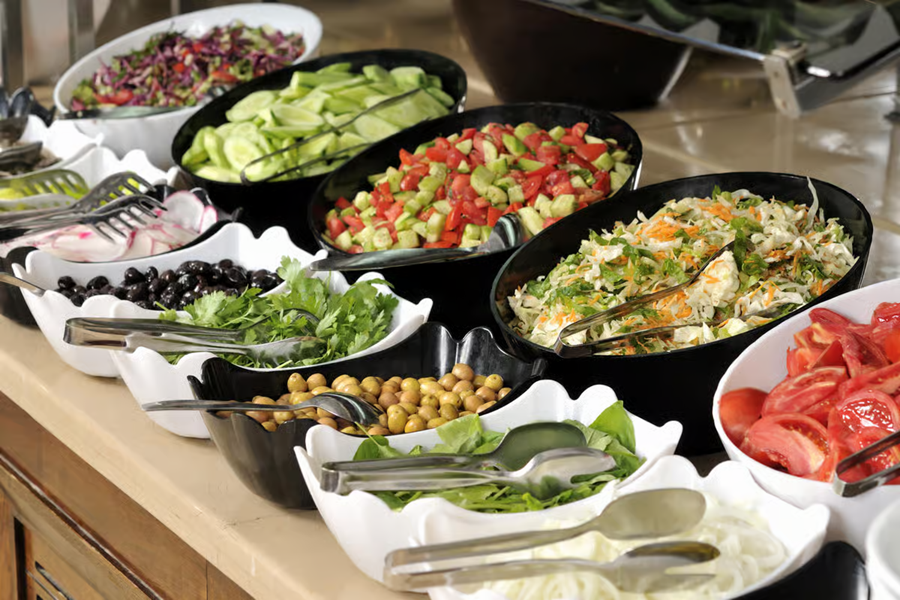
Planning a funeral reception menu involves more than just selecting food; it requires thoughtfulness, respect, and an understanding of the atmosphere you want to create for guests. A well-curated menu can provide comfort and nourishment while reflecting the preferences and traditions of the departed loved one. Here’s how you can thoughtfully approach this important task.
| Course | Example Dishes |
| Appetizers | Vegetable platters with dips, bite-sized quiches |
| Main Courses | Chicken pot pie, roasted vegetable casserole |
| Side Dishes | Garlic mashed potatoes, mixed green salad |
| Desserts | Homemade cookies, fruit tarts |
| Beverages | Coffee, tea, lemonade |
Thoughtful planning ensures that guests feel cared for while creating moments of connection over shared meals during a difficult time.
To ensure all attendees feel included and cared for during this gathering, consider adding dietary-specific items such as gluten-free rolls, dairy-free desserts like sorbet cups alongside traditional cake slices.
| Category | Examples | Notes |
| Warm Dishes | Baked ziti; roasted chicken | Include vegetarian options |
| Cold Items | Mixed salads; charcuterie boards | Offer dressings separately |
| Desserts | Cookies; fruit platters | Add allergy-friendly choices |
When setting up the buffet table itself: 1. Label each dish clearly (e.g., “Contains Nuts” or “Gluten-Free”). 2. Arrange plates at one end of the table followed by main courses first. 3. Ensure there’s adequate space between dishes so multiple people can serve themselves comfortably.
A well-planned buffet allows guests of all ages and preferences to find something they enjoy while reflecting thoughtfulness toward their needs during this emotional time.
When planning a funeral reception, appetizers provide an excellent option for creating a warm and welcoming atmosphere while offering guests something light to enjoy. Simple yet elegant appetizers can express thoughtfulness and care without overwhelming the overall gathering. Below are some creative yet practical ideas for appetizers that balance refinement with ease of preparation.
These timeless options are widely appreciated for their simplicity and flavor:
– Finger Sandwiches: Choose classic fillings such as cucumber, egg salad, smoked salmon with cream cheese, or roast beef. Cut them into small portions for easy handling.
– Deviled Eggs: A traditional favorite that is both versatile and visually appealing. Consider variations like adding smoked paprika, dill, or a touch of mustard for extra flavor. – Cheese and Crackers: Pair different types of cheese (e.g., brie, gouda, or sharp cheddar) with artisan crackers for a sophisticated touch.
For those seeking a more contemporary feel, consider the following appetizers: – Caprese Skewers: Cherry tomatoes, fresh mozzarella balls, and basil leaves drizzled with balsamic glaze offer a light yet flavorful choice. – Mini Tartlets: These can be filled with ingredients like caramelized onions and goat cheese or spinach and feta for variety. – Stuffed Mushrooms: Fill with herbed breadcrumbs or cream cheese-based mixtures to create bite-sized delights.
Ensure inclusivity by providing vegetarian-friendly appetizers like: – Vegetable Platters: Arrange carrots, celery sticks, bell peppers, cherry tomatoes, and zucchini slices around a creamy dip such as hummus or ranch dressing.
– Crostini Toppings: Use toasted baguette slices topped with roasted vegetables or ricotta cheese drizzled with honey.
– Spring Rolls (Fresh): Rice paper rolls filled with carrots, cucumber sticks, lettuce leaves, mint, and optional tofu make for refreshing bites.
Proper presentation elevates even the simplest appetizers: 1. Use neutral-colored serving platters to maintain an understated tone suitable for the occasion. 2. Arrange food in neat rows or aesthetically pleasing patterns to create visual appeal without being showy. 3. Include small signs identifying items—this is particularly helpful for attendees managing dietary restrictions.
For convenience in preparation and serving during the event: – Charcuterie Boards: Combine cured meats like salami or prosciutto with olives, pickles, dried fruits (like apricots), nuts (such as almonds), alongside cheeses. – Fruit Skewers: Thread seasonal fruits such as grapes, strawberries, cantaloupe chunks on sticks; serve chilled.
Appetizers play an essential role in setting the tone of a respectful gathering while offering nourishment in smaller portions conducive to mingling. Thoughtful planning ensures these options meet diverse preferences while bringing comfort through food’s universal language of care.
When planning a funeral reception menu, it’s essential to ensure that all guests feel included by offering a variety of dishes that cater to different dietary needs and preferences. Thoughtful consideration of dietary restrictions reflects care and respect for attendees, fostering an environment of warmth and hospitality.
| Category | Regular Option | Inclusive Alternative |
| Appetizer | Meat skewers | Grilled vegetable skewers |
| Salad | Caesar salad | Mixed greens with vinaigrette |
| Main Course | Roast chicken | Stuffed bell peppers (vegan) |
| Side Dish | Pasta salad | Quinoa tabbouleh (gluten-free) |
| Dessert | Traditional brownies | Dairy-free fruit sorbet |
By investing thought into these considerations, you’ll create an atmosphere where every guest feels cared for during this meaningful time.
Creating a thoughtful and inclusive menu for a funeral reception is essential to ensure all guests feel welcome and cared for. With dietary needs becoming more prevalent, it’s important to take into account allergies, cultural preferences, and food restrictions. Here’s how you can plan an accommodating menu while maintaining the respectful tone of the occasion.
| Dish Category | Option 1 | Option 2 | Special Notes |
| Appetizers | Fresh veggie platter | Gluten-free crackers with hummus | Vegan-friendly |
| Main Course | Herb-roasted chicken | Lentil stew | Meat & plant-based options |
| Side Dishes | Mashed potatoes | Quinoa salad | Dairy-free if using olive oil |
| Desserts | Fruit salad | Vegan chocolate cake | Nut-free version available |
Be mindful that some beverages may also need adjustments for inclusivity: – Provide non-dairy creamers for coffee and tea. – Include sparkling water or herbal tea as non-alcoholic drink choices.
Planning an inclusive menu demonstrates thoughtfulness during a difficult time and ensures every guest feels respected while sharing in this important gathering of remembrance.
Selecting the right beverages for a funeral reception is an important yet often overlooked part of planning. The drinks served should reflect the tone of the gathering, complement the menu, and accommodate the diverse preferences of attendees. Here are some thoughtful beverage options to consider when planning for a respectful and memorable event.
The choices you make around beverages reflect both practicality and care in planning this meaningful event. By offering thoughtful drink selections based on attendees’ needs and preferences, you create an inclusive space where everyone feels understood and respected without compromising the serene atmosphere central to this gathering.
When planning a funeral reception, creating a welcoming atmosphere and ensuring smooth logistics can help ease the day for grieving friends and family. A well-organized event allows guests to focus on sharing memories and supporting one another without unnecessary stress. Below are practical tips to guide you in organizing a thoughtful and memorable reception.
A key element of any funeral reception is the menu. Here are some ways to ensure food service runs smoothly: – Hire Catering Services: Professional caterers can handle everything from setup to cleanup, allowing you to focus on guests.
– Buffet Setup Tips: If using a buffet approach, arrange stations logically (e.g., start with plates/utensils, followed by main dishes). Label items clearly for easy selection by guests. – Self-Service Drinks Area: Offer non-alcoholic beverages like tea, coffee, lemonade, or water in dispensers so guests can refill themselves as needed.
| Menu Option | Benefits | Considerations |
| Buffet | Variety of choices; easy setup | Requires sufficient space for serving stations |
| Passed Appetizers | Keeps guests mingling | May require additional staff |
| Comfort Foods | Evokes warmth and familiarity | Be mindful of dietary restrictions |
To make all attendees feel included: – Offer vegetarian or vegan options alongside traditional dishes. – Clearly label allergens (e.g., nuts, dairy) on food cards. – Include gluten-free bread or pasta alternatives if serving specific dishes that typically contain gluten.
Ambiance matters during such sensitive gatherings: – Use simple floral centerpieces or candles for tablescapes that promote warmth without being overly formal. – Arrange seating areas where people can easily connect in smaller groups while still feeling part of the larger gathering.
Delegating responsibilities ensures a smoother process: – Designate someone to oversee catering delivery/setup. – Assign greeters at entry points to direct guests upon arrival. – Have a trusted person supervise cleanup efforts after the event concludes.
By focusing on these organizational strategies, you’ll create an atmosphere where attendees feel supported while celebrating the life of your loved one in comfort.
 Optimized by Seraphinite Accelerator