Online
Reservation
Integer congue malesuada eros congue varius. Sed malesuada dolor eget velit pretium. Etiam porttitor finibus. Nam suscipit vel ligula at dharetra
Integer congue malesuada eros congue varius. Sed malesuada dolor eget velit pretium. Etiam porttitor finibus. Nam suscipit vel ligula at dharetra

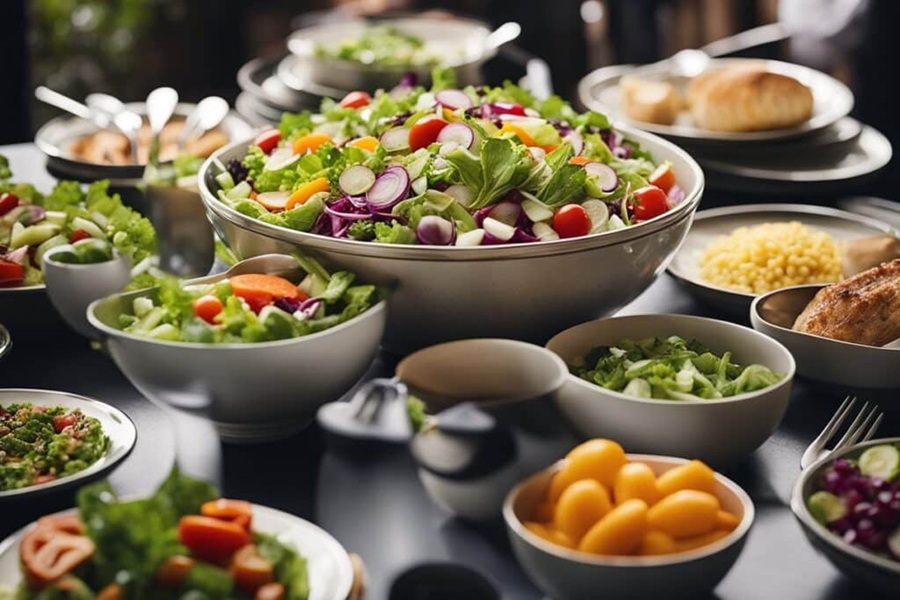
When planning a catered event, portion control is a critical factor that can influence guest satisfaction, event costs, and food waste. Understanding why portion planning matters is the foundation for providing an exceptional dining experience while staying efficient and cost-effective. Below is an explanation of its importance along with practical considerations for catering professionals.
Catering often involves budgetary constraints, and miscalculations in portions can lead to either inflated costs or insufficient quantities:
– Overestimating needs: This results in higher food expenses and wasted ingredients that could have been allocated elsewhere. For instance, serving excessive salad may require purchasing more fresh produce than necessary, which increases costs and results in spoilage if unused.
– Underestimating needs: Running out of salad during service forces last-minute adjustments, which can be both costly and stressful for caterers trying to meet expectations on the spot.
Efficient portion planning minimizes food waste—a significant concern given the environmental impact of discarded produce:
– Composting leftover salad ensures some reduction of waste but doesn’t fully address the resources wasted in growing, transporting, and preparing unused ingredients. – Deciding exact portions ahead reduces over-preparation while helping caterers maintain sustainable business practices.
Good portion planning directly impacts several logistical aspects of an event:
1. Guest comfort: Guests should feel satisfied without feeling overstuffed or shortchanged. 2. Seating arrangements: Larger servings often require larger tables or additional serving areas. 3. Storage and refrigeration: Excess salad requires adequate storage space before being served—a challenge for events held at venues with limited refrigeration capacity.
To ensure proper portions are planned for every guest:
– Guest count tracking: Always confirm RSVPs ahead of time to establish accurate numbers. – Catering calculators/tools: Leverage online tools specifically designed for calculating servings based on party size. – Staff expertise: Experienced chefs or event managers often have a strong instinct for how much food is needed based on prior events.
| Party Size | Recommended Salad Quantity (per person) | Example (50 Attendees) |
| Small (1 side dish) | 1 cup per person | ~50 cups (~12 lbs) |
| Medium (light meal) | 2 cups per person | ~100 cups (~24 lbs) |
| Large (main course) | 3+ cups per person | ~150+ cups (~36 lbs+) |
By emphasizing careful portion planning as a key step in catering preparation, professionals can deliver balanced meals that efficiently meet guest expectations while minimizing excess costs and reducing waste—an important goal for both customer satisfaction and sustainability efforts in the industry.
When catering an event, understanding standard salad serving sizes per person is crucial to ensure everyone is satisfied without over-preparing. A well-planned serving size not only saves costs but also minimizes food waste. Below, we’ll outline general guidelines for different types of salads and portions based on the event type.
The type of salad and how it fits into the overall meal will determine portion sizes:
– Side Salad:
Typically served alongside a main course, a portion of 1 to 1.5 cups (about 3-4 ounces) per person is sufficient.
– Main Course Salad:
For salads that serve as the entrée, plan for a larger portion—around 2 to 2.5 cups (approximately 6-8 ounces) per person.
– Buffet Style or Build-Your-Own Salads:
In buffet settings where guests serve themselves, expect each individual to take slightly more than the standard portion size—plan for about 25% extra salad overall to accommodate this.
| Salad Type | Serving Size as Side | Serving Size as Main Course |
| Garden/Green Salads | 3-4 oz (1 cup) | 6-8 oz (2–2.5 cups) |
| Pasta or Grain-Based Salads | 4 oz | 6–7 oz |
| Creamy Salads (Potato, Coleslaw) | ~3 oz | ~5–6 oz |
| Protein-Based Salads (Chicken, Tuna) | ~3–4 oz | ~7–8 oz |
These estimates assume the salad will be part of a balanced menu with other dishes available.
Not all events or guest preferences are alike. Here are some considerations when finalizing quantities:
– Children: They typically consume half the portion size of adults; plan accordingly if children are part of your guest list.
– Diet-Conscious Guests: If you expect guests who prefer lighter meals, consider increasing portions of leafy greens or lean protein salads while reducing heavier options like creamy potato salads. – Heavy Eaters vs. Light Eaters: For events with guests known to be heavy eaters (e.g., sports teams), increase planned portions by about 10%-20%. Conversely, for health-focused corporate lunches or wellness retreats, you might reduce portions slightly.
To avoid running out or wasting surplus food:
1. Always confirm your guest count early on and add a small buffer in case extra attendees arrive unexpectedly. 2. Consider event duration—shorter receptions require smaller servings compared to longer sit-down dinners. 3. Use tasting spoons during preparation to balance flavors in dressing-heavy salads like coleslaw without adding unnecessary bulk.
By calculating accurate salad servings based on these recommendations, you can cater confidently while meeting your guests’ needs efficiently and professionally.
When catering an event, determining the right salad portion size per person involves more than just a standard formula. Several variables influence the amount of salad each guest might consume, and understanding these factors can help ensure everyone is satisfied without overspending or creating unnecessary food waste. Below is a breakdown of the key elements that can impact salad portion sizes.
The context and formality of the event significantly affect how much salad guests are likely to eat: – Formal Sit-Down Dinners: At formal events where meals are served in courses, salads are typically treated as an appetizer. A smaller portion (approximately 1 to 1.5 cups) is usually sufficient. – Casual Buffets or Potlucks: At more informal gatherings, guests may serve themselves larger portions, especially if salads are among the main offerings. – Lunch vs. Dinner: Lunch events may require smaller portions than dinner since people tend to eat lighter during midday.
How the salad fits into the overall meal plays a big role in determining portions: – Main Course Salads: If the salad is a primary dish (e.g., a protein-rich Caesar or quinoa-based creation), aim for about 2.5 to 3 cups per person. – Side Salads: For side salads accompanying entrees, 1 cup per person typically suffices. – Part of a Larger Spread: In cases where salads are one item among many options on a buffet, reduce portions accordingly—around 0.5 to 0.75 cups per guest.
Understanding your audience can help you tailor portion sizes: – Age Group: Children generally consume less salad than adults, so consider adjusting portions for family-friendly gatherings. – Health-Conscious Guests: Guests who prioritize healthy eating may be inclined to take larger servings of greens or vegetable-based options. – Cultural Preferences: Depending on cultural norms or dietary habits, some groups may prefer heartier meal components over lighter salads.
The specific ingredients used in your salad can also influence portion sizes: | Ingredient Type | Impact on Portion Size | |—————–|————————| | Leafy Greens | Light and fluffy; requires larger volume (about 2–3 cups for mains) | | Protein Additions (chicken, tofu) | Heavier; fewer greens needed when proteins are added | | Grain-Based Salads (quinoa, pasta) | Dense; servings around 1–1.5 cups suffice | | Hearty Vegetables (potatoes, carrots) | Filling; smaller portions appropriate |
How you present and serve the salad affects how much people will take: – Pre-Plated Portions: Allows for precise control over serving sizes and minimizes waste. – Self-Service Buffets: Requires planning for slightly larger quantities since guests tend to overestimate their needs when serving themselves.
Seasonal factors also play a role: – During warmer months or outdoor events in summer weather, lighter fare like salads tends to be more popular—plan slightly larger servings. – In colder seasons or at winter events featuring heavier comfort foods, guests might gravitate toward heartier options instead.
By analyzing these factors carefully and applying them based on your specific event details, you’ll be better prepared to estimate accurate portion sizes that meet guests’ preferences while avoiding excess food waste.
When planning the amount of salad to serve for an event, it’s essential to consider the type of gathering as this can significantly impact portion sizes. Different events call for varying amounts of food based on factors such as the formality, duration, and the way meals will be served. Below is a breakdown of how to adjust salad portions based on common event types.
For informal events like backyard barbecues, picnics, or family potlucks: – Portion Size: Plan for smaller portions per person (around 1–1.5 cups of salad). Guests may graze across different dishes and are less likely to prioritize salad. – Type of Salad: Offer simple salads like coleslaw, pasta salad, or garden greens with light dressings. – Serving Style: Buffet-style is common at casual events, so ensure bowls are easily accessible and replenished as needed.
Formal occasions such as weddings or corporate dinners often involve multi-course meals: – Portion Size: Serve slightly smaller portions (0.5–1 cup per person) if the salad acts as a starter before the main course. – Type of Salad: Opt for elegant salads with premium ingredients like arugula, goat cheese, candied nuts, or fresh herbs. – Serving Style: Plated salads are more appropriate in this setting to maintain a polished presentation and portion control.
For standing or mingling events with canapés and finger foods: – Portion Size: Limit portions to 0.25–0.5 cups per guest since salads won’t be the main focus. – Type of Salad: Use bite-sized options such as skewered Caprese salads or small individual containers for portability. – Serving Style: Make it convenient—consider individual servings in cups or mini plates so guests can manage them while socializing.
Events held outdoors (e.g., festivals, fairs) often require more robust planning: – Portion Size: Increase portions slightly (1–2 cups) due to increased physical activity and appetite from being outdoors. – Type of Salad: Stick to heartier options like quinoa salads or potato-based recipes that hold up well in warmer weather conditions.
| Event Type | Suggested Portion Per Person | Recommended Serving Style |
| Casual Gatherings | 1–1.5 cups | Buffet-style |
| Formal Dinners | 0.5–1 cup | Plated |
| Cocktail Parties | 0.25–0.5 cups | Individual servings |
| Outdoor Events | 1–2 cups | Buffet/Mobile Stations |
For large-scale celebrations such as holiday parties or graduation events: – Consider whether other filling dishes like bread rolls, proteins, or pastas are part of the menu. – Adjust salad portions downwards (around 0.75 cup per person) if other side dishes complement it significantly.
By tailoring portion sizes based on event type and dining style, you can provide an appropriate amount of salad without over-serving or risking shortages during your event.
When planning a catering menu, it’s essential to view salads not as standalone items but as part of a broader culinary experience. Balancing the amount of salad with other dishes ensures that guests have variety without overwhelming their plates or contributing to unnecessary food waste. This section will guide you through key considerations to achieve balance across your menu.
| Dish Type | Impact on Salad Portions |
| Heavy Main Dishes (e.g., pasta, steak) | Smaller salad portions suffice as guests may favor heartier options. |
| Light Proteins (e.g., grilled fish) | Slightly increase salad servings since lighter entrées pair well with vegetables. |
| Buffet Spread with Multiple Sides | Reduce individual salad portions; guests will sample smaller amounts from various dishes. |
Balancing salads thoughtfully within your catering plan enhances both guest satisfaction and efficient meal service while minimizing waste.
When catering for large groups, preparing and serving salad can feel daunting. However, with careful planning and execution, you can ensure that the process runs smoothly while meeting your guests’ needs. Below are some practical tips to help you navigate this task effectively.
Not all salads are created equal, and some may be better suited for large groups than others. Consider these options:
– Leafy Greens: Mixed greens or romaine-based salads are popular but require proper handling to avoid wilting.
– Heartier Salads: Grain-based salads (like quinoa or farro) or potato salads hold up well over longer periods without losing texture.
– Customizable Salad Bar: Offering a salad bar with various toppings allows guests to create their own salads according to preferences.
Preparation is key when serving salad for a crowd. Here’s how to stay organized:
– Wash and Dry Greens Early: Clean leafy greens thoroughly ahead of time, ensuring they are completely dry before storing them in airtight containers lined with paper towels.
– Chop Vegetables Ahead: Dice or slice vegetables like cucumbers, tomatoes, and peppers the day before the event. Store them separately to maintain freshness. – Batch Dressing Preparation: Prepare dressings in bulk and keep them refrigerated in easy-to-pour containers for efficient serving.
For streamlined preparation on the day of the event: – Assemble salads as close to serving time as possible to keep ingredients fresh. – If preparing ahead is necessary, layer heartier ingredients (like grains, beans, or root vegetables) at the bottom of bowls or trays, with delicate greens on top. – Avoid tossing salads with dressing until just before serving to prevent sogginess.
| Method | Benefits | Considerations |
| Pre-Plated Salads | Ensures consistent portion sizes | Requires more preparation time |
| Buffet Style | Guests control portion sizes | May lead to uneven distribution |
| Salad Bar | Customizable; accommodates dietary needs | Requires more table space & toppings |
For self-service options like buffets or salad bars, provide appropriate utensils such as tongs and ladles that match the size of serving dishes. Place smaller bowls near dressings to encourage moderate use.
When serving salad for large gatherings, food safety is essential: – Keep perishable items like leafy greens and dairy-based dressings chilled at 40°F (4°C) or below using ice-filled trays or refrigerated displays. – Rotate out any prepped ingredients that have been sitting out too long (typically after 2 hours at room temperature).
Presentation matters when it comes to food appeal: – Use wide platters instead of deep bowls so guests can easily access all ingredients. – Add edible garnishes like herbs or thinly sliced fruits such as oranges or strawberries for visual interest. – Label different dressing options clearly so guests know what they’re choosing.
By following these tips, you’ll be well-equipped to prepare and serve delicious salads efficiently while accommodating your guests’ preferences during any large gathering.
Minimizing food waste while ensuring your guests are satisfied is a delicate balance, particularly when catering for large groups. Overestimating portion sizes can lead to unnecessary waste, while underestimating can leave guests feeling unsatisfied. By employing thoughtful strategies and planning, you can efficiently cater to your guests’ needs without excess leftovers.
| Event Type | Recommended Salad Amount per Person |
| Side Salad | 1–1.5 cups (about 3–4 oz) |
| Main Course Salad | 2–3 cups (about 6–8 oz) |
| Mixed Buffet Setting | ~1 cup (2–3 oz if paired with other mains) |
Adjust these numbers based on the overall menu offerings and guest profile.
After an event, gather feedback about portion sizes and menu variety. Insights from past events can help you refine future catering plans to further minimize waste.
By combining careful planning with adaptable serving methods, you can successfully meet guest needs while avoiding unnecessary food waste—a sustainable approach that benefits both your budget and the environment.