Online
Reservation
Integer congue malesuada eros congue varius. Sed malesuada dolor eget velit pretium. Etiam porttitor finibus. Nam suscipit vel ligula at dharetra

Integer congue malesuada eros congue varius. Sed malesuada dolor eget velit pretium. Etiam porttitor finibus. Nam suscipit vel ligula at dharetra

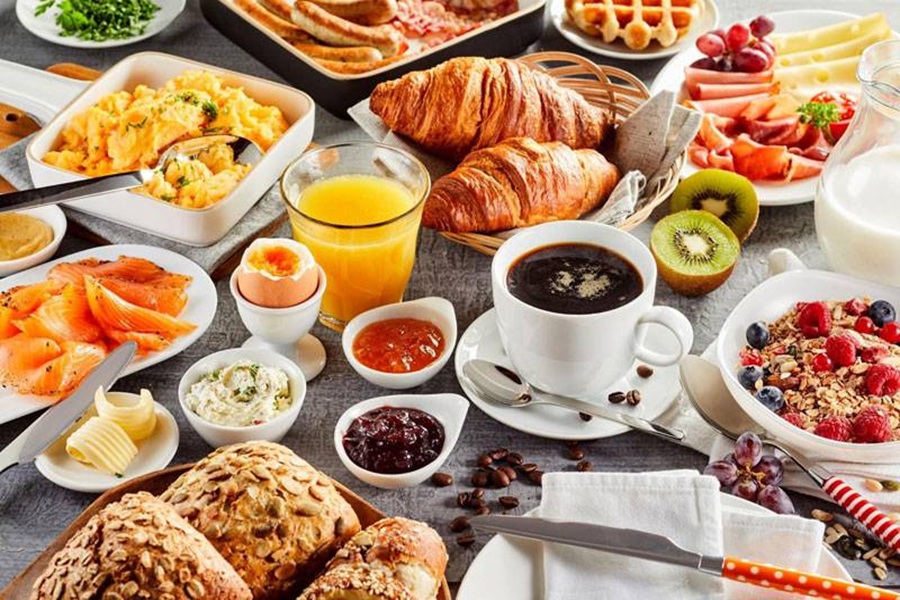
Guests increasingly expect their breakfast options to be tailored to individual tastes and needs. This trend is transforming menus and service styles across the board.
Breakfast catering is moving beyond traditional offerings and becoming a more immersive experience focused on quality and creativity.
With increasing attention on health and wellness, caterers are designing menus that prioritize nutrient-rich ingredients without sacrificing flavor.
Efficiency and convenience remain critical concerns for event hosts. Technology is playing a bigger role in how breakfast catering services are delivered.
| Trend | Example |
| QR Code Menus | Contactless ordering at larger events |
| AI-Powered Recommendations | Personalized dish suggestions |
| Smart Packaging | Keeps grab-and-go meals fresh longer |
Sustainability continues to drive innovation within catering practices. Eco-conscious consumers now demand more than just good food—they want assurance that their choices aren’t harmful to the environment.
Key sustainable practices include: – Use of compostable packaging and reusable serveware instead of single-use plastics. – Sourcing ingredients from local farmers to reduce carbon footprints. – Reducing food waste through better portion control systems or donating leftover meals to local charities.
The emphasis on these practices ensures both ethical appeal and environmental responsibility while maintaining high-quality service expectations for guests.
By keeping pace with these trends—personalization options, elevated experiences rooted in wellness values—and integrating them seamlessly into services offered; caterers can meet evolving audience needs effectively while setting themselves apart competitively
Classic breakfast items are being reinvented with high-quality ingredients and creative presentation. These dishes provide a sense of comfort while delivering a gourmet experience:
– Avocado Toast Variations: Featuring unique toppings like spiced chickpeas, smoked salmon, or pickled vegetables on artisanal bread.
– Gourmet Pancake & Waffle Bars: Offering toppings like seasonal fruits, flavored syrups (e.g., lavender or maple-caramel), whipped mascarpone, and nut butters.
– Egg Dishes with a Twist: Examples include truffle scrambled eggs or eggs benedict served over savory waffles instead of English muffins.
Diners are increasingly seeking a fusion of international flavors in their breakfast spreads. These globally inspired dishes cater to adventurous palates and multicultural events:
– Shakshuka Stations: This North African dish combines spiced tomato sauce with poached eggs and crusty bread for dipping.
– Japanese Breakfast Bowls: Combining miso soup, tamago (Japanese omelet), steamed rice, pickles, and grilled fish for a health-conscious option.
– Mexican Breakfast Tacos or Burritos: Filled with scrambled eggs, chorizo or plant-based proteins, fresh salsa, and guacamole.
Plant-based menus are no longer niche—they’re mainstream in modern catering services as demand rises for vegan and vegetarian options without sacrifice on flavor or creativity:
– Vegan Omelets & Frittatas: Made from chickpea flour or tofu bases filled with seasonal vegetables. – Overnight Oats & Chia Puddings: Offered in individual jars featuring layers of fresh fruits, granola, seeds, and dairy-free yogurts. – Savory Grain Bowls: Using quinoa or farro as the base topped with roasted vegetables and tahini dressing.
Catering services now emphasize customization to enhance guest engagement during events: – Smoothie Bowl Decorating Station: Guests can choose their own base flavors like acai or pitaya (dragon fruit) before adding toppings such as shredded coconut or cacao nibs. – Bagel Bars with Gourmet Spreads: Offering options like herbed cream cheese blends alongside dairy-free alternatives like cashew-based spreads.
| Category | Example Dishes | Notes |
| Elevated Classics | Truffle scrambled eggs | Luxurious ingredients elevate familiar dishes |
| Global Influences | Japanese breakfast bowls | A balanced option suitable for health-focused clients |
| Plant-Based Options | Vegan omelets | Meets dietary preferences without compromise |
| Interactive Features | Smoothie bowl station | Encourages guest participation |
Blurring the lines between sweet breakfasts and savory meals is becoming increasingly popular in catered events: – Maple-glazed bacon donuts – Croissant sandwiches stuffed not only w/ meats also fillings unusual hybrids tighter .
When designing modern-breakfast menu considering dietary personalization interactive styled service key bridge trends
As breakfast catering becomes more inclusive and wellness-focused, the demand for healthy and dietary-friendly menu options is reshaping the industry. Guests now expect menus that cater to diverse nutritional needs, whether for health reasons or personal preferences. For event organizers, offering an array of thoughtful choices ensures that attendees feel valued and accommodated.
| Diet Type | Example Dish | Notes |
| Gluten-Free | Quinoa Breakfast Bowl | Add fresh herbs for flavor |
| Vegan | Chia Seed Pudding | Include nut-free topping options |
| Low Carb/Keto | Smoked Turkey Lettuce Wraps | Offer dipping sauces |
| Dairy-Free | Coconut Yogurt Parfait | Use eco-friendly glass jars |
| High Protein | Greek Yogurt Bowl w/ Nuts | Ensure allergen information |
By embracing these healthier alternatives in your breakfast catering approach, you’ll not only meet growing expectations but also create memorable dining experiences tailored to modern wellness priorities.
In recent years, the dynamic between grab-and-go and plated breakfast services has shifted as clients and caterers seek to balance convenience, personalization, and experience. By 2026, this trend is expected to evolve further as events become more versatile, catering to diverse guest needs and event formats.
Popular items often included in grab-and-go setups: – Individually wrapped breakfast burritos or sandwiches. – Yogurt parfaits in reusable jars. – Miniature pastries like croissants or muffins packaged sustainably. – Fresh fruit cups or skewers.
While convenient, it’s important that grab-and-go does not sacrifice presentation. Thoughtful packaging—such as recyclable containers with elegant branding—can still create a high-end experience.
In contrast to grab-and-go setups, plated breakfast service focuses on creating an elevated dining experience. It’s often associated with weddings, formal business meetings, and upscale gatherings where ambiance and hospitality are prioritized.
Key features of plated service include: – Attention to Detail: Each plate can be carefully curated to present a high-quality dish with artistic flair. – Personalization: Guests can enjoy tailored options when dietary restrictions are shared in advance. – Enhanced Atmosphere: Seated meals encourage a relaxed environment that promotes conversation.
Plated menus often showcase more elaborate dishes such as: – Eggs Benedict served with seasonal vegetables. – Artisan French toast topped with fresh fruit compotes. – Gourmet omelets served alongside truffle potatoes or smoked salmon.
| Factor | Grab-and-Go | Plated Service |
| Style of Event | Casual/Informal | Formal/Seated |
| Guest Experience | Quick & self-service | Relaxed & personalized |
| Venue Requirements | Minimal setup required | Tables/chairs required |
| Budget Considerations | Typically cost-effective | Higher investment per guest |
Some hybrid approaches are also gaining traction: 1. Offering a pre-set buffet table (grab-and-go style) alongside servers who present premium hot dishes on request (plated-inspired). 2. Providing pre-portioned appetizers such as mini quiches while transitioning into a seated main course.
By 2026, both styles will continue to grow but adapt based on broader trends like sustainability and technology integration. A few examples include: 1. Integration of digital ordering systems enabling guests to pre-select their preferences for plated meals ahead of time. 2. Sustainable packaging innovations enhancing the eco-friendliness of grab-and-go solutions without compromising aesthetics. 3. Customizable stations at events where guests can “build their own” bowls or plates while maintaining oversight by professional chefs.
Whether opting for convenience or elegance—or perhaps blending elements from both approaches—it’s clear that breakfast catering in 2026 will prioritize adaptability without compromising quality.
In 2026, breakfast catering is set to experience a dynamic shift in beverage trends as guests increasingly seek both personalization and wellness-oriented options. A well-curated beverage menu can elevate the breakfast experience, offering something for every palate while aligning with broader trends in health, sustainability, and convenience. Below is a breakdown of key beverage trends shaping the breakfast catering landscape.
Coffee continues to hold its ground as a breakfast staple, but plain drip coffee is no longer enough to impress today’s discerning guests. Caterers are creating immersive coffee experiences through customizable coffee bars that go beyond basic brews.
The demand for fresh juices remains high but is being redefined with innovative combinations and presentation styles designed to appeal to wellness-conscious attendees.
| Popular Ingredients | Benefits |
| Beetroot | Detoxifying properties; improves circulation |
| Turmeric | Anti-inflammatory; supports joint health |
| Ginger | Digestive aid; immune support |
Breakfast catering menus now frequently feature smoothies crafted with nutrient-dense superfoods like chia seeds or spirulina. Non-dairy milk bases such as almond or oat milk make these options accessible for individuals with dietary restrictions.
Examples include: – Virgin Bloody Marys made from spiced tomato juice. – Mimosa-inspired sparkling orange spritzers using soda water instead of champagne.
By combining elevated coffee concepts with creative juice offerings and embracing global tea rituals alongside nutrient-packed smoothies — 2026’s beverage trends promise flexibility while elevating guest satisfaction at any breakfast event.
Selecting the right breakfast caterer involves more than just finding someone to deliver food. In 2026, the breakfast catering industry has evolved significantly, with innovation, sustainability, and customization being key drivers of success. To ensure your event reflects modern trends while meeting guest expectations, here are some professional tips on choosing a caterer who aligns with these values.
A trend-forward caterer stays ahead of the curve and understands the current landscape of breakfast catering. When evaluating options: – Ask about their experience with contemporary menus, such as plant-forward dishes or globally inspired flavors. – Ensure they’re familiar with dietary accommodation trends like gluten-free, vegan, and allergen-sensitive offerings. – Request examples of their work at recent events to gauge how well they incorporate innovative ideas.
Sustainability is a key factor in modern catering. A high-quality breakfast caterer should demonstrate commitment to eco-friendly practices. Here’s what to look for: – Use of locally sourced ingredients and seasonal produce. – Minimal food waste policies or partnerships with organizations that redistribute leftovers. – Biodegradable or compostable utensils and packaging (e.g., recycled paper products for grab-and-go breakfasts).
| Sustainable Practice | What it Indicates |
| Locally sourced ingredients | Support for local farmers; fewer carbon emissions from transport |
| Compostable tableware | Commitment to reducing landfill waste |
| Leftover food donation | Social responsibility and waste reduction |
In 2026, presentation matters as much as taste. Ensure your chosen caterer can adapt their service style—whether it’s grab-and-go convenience or elegant plated breakfasts—to suit the tone of your event: – Grab-and-Go: Does the caterer provide creative packaging that maintains both aesthetics and functionality? Are options labeled clearly for dietary needs?
– Plated Service: Can they execute visually appealing plate designs that reflect current styling trends? Do they offer interactive stations like build-your-own parfait bars?
Modern caterers are leveraging technology to improve efficiency and guest experiences: – Online menu planning tools that allow clients to customize meals easily. – QR codes on labels providing nutritional information. – Digital communication platforms ensuring smooth collaboration during event planning.
Breakfast beverages have expanded far beyond basic coffee service. A trend-forward caterer will offer options like cold brews on tap, freshly pressed juices, or even matcha lattes made fresh onsite.
Finally, ask for references from past clients or review testimonials online. Focus on feedback regarding punctuality, food quality at events, ability to accommodate unique requests, and professionalism throughout the process.
By carefully evaluating these factors when choosing a breakfast caterer for your next event in 2026, you’ll ensure a seamless blend of modern trends with exceptional service tailored to your guests’ needs.
Selecting the right breakfast caterer for your event can set the tone for an exceptional guest experience. With evolving trends in breakfast catering, such as dietary inclusivity, sustainability, and creative menu pairings, choosing a caterer who stays ahead of these trends is essential. Here’s how to ensure your choice meets modern standards.
Caterers embracing environmentally friendly practices often highlight these efforts on their website or marketing materials. This transparency reflects a commitment to ethical operations.
Use this opportunity to see if the caterer thinks innovatively about blending crowd favorites with forward-thinking offerings.
| Beverage Options | Features |
| Specialty Coffee | Barista-served lattes, cappuccinos, nitro brews |
| Tea Varieties | Loose-leaf teas with customizable sweeteners |
| Fresh Juices & Smoothies | Seasonal blends with superfood add-ons |
Ask how these beverages are presented—interactive coffee bars or personalized smoothie stations can enhance guest engagement.
Positive testimonials combined with evidence of trend-driven offerings signal reliability.
Trend-conscious catering companies understand that collaboration ensures success—and this starts from day one.
By taking these steps when selecting your breakfast catering partner, you’ll position yourself for an unforgettable event that delivers not just delicious meals but also a seamless experience steeped in modern trends.
 Optimized by Seraphinite Accelerator