Online
Reservation
Integer congue malesuada eros congue varius. Sed malesuada dolor eget velit pretium. Etiam porttitor finibus. Nam suscipit vel ligula at dharetra

Integer congue malesuada eros congue varius. Sed malesuada dolor eget velit pretium. Etiam porttitor finibus. Nam suscipit vel ligula at dharetra

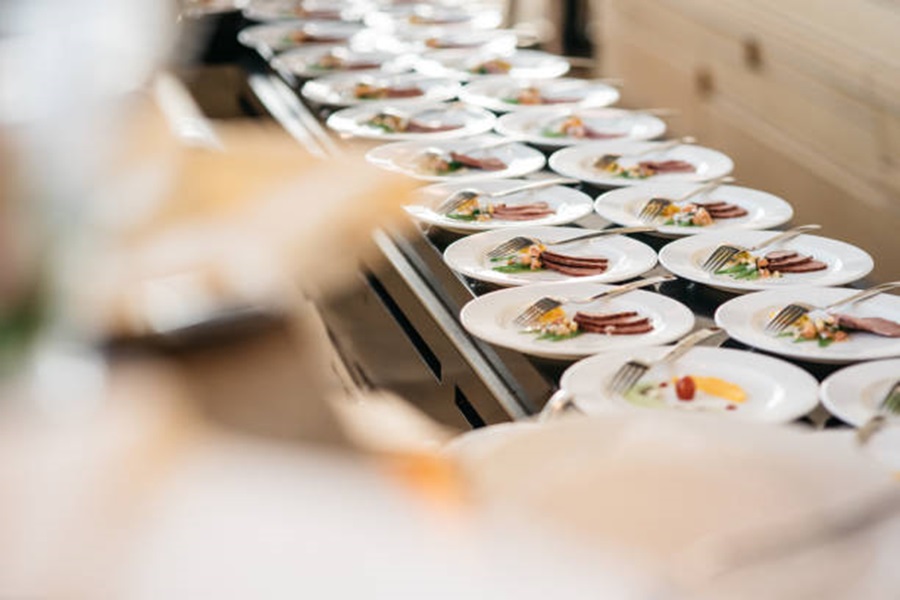
Buffet-style catering is a popular choice for events that prioritize flexibility, variety, and interaction. In this setup, food is arranged on one or more long tables, allowing guests to serve themselves. Depending on the event size and style, some buffets may also include staff to assist with serving or replenishing food. This catering format offers numerous benefits and is particularly well-suited for certain types of occasions.
Buffet-style catering works well for casual to semi-formal gatherings where guest interaction and variety are key goals. Examples include: – Weddings with diverse guest lists – Birthday parties or family reunions – Corporate events such as holiday parties or team-building activities
| Event Type | Best Fit for Buffet? | Why? |
| Casual Gatherings | Yes | Encourages mingling and flexibility |
| Formal Dinners | No | Lacks structured service |
| Large Weddings | Yes | Offers variety for a broad audience |
To ensure a smooth buffet experience: – Arrange dishes logically (e.g., salads first, desserts last) to streamline the flow. – Clearly label all foods with dietary information (e.g., vegetarian, gluten-free). – Consider hiring staff for replenishing trays and managing spills or other issues. – Provide sufficient utensils at all stations along with napkins at accessible locations.
Buffet-style catering blends practicality with versatility while creating opportunities for guests to enjoy their meals in an interactive environment. For hosts seeking an informal yet accommodating solution, this approach can elevate any event experience.
When planning an event, one of the most critical considerations is the cost and service quality associated with different catering styles. Buffet-style and plated catering each bring their unique set of expenses, logistical challenges, and service standards. Understanding these distinctions can help you align your choice with your budget and event goals.
| Factor | Buffet Style | Plated Style |
| Labor Requirements | Lower | Higher |
| Food Waste Potential | Higher (self-service) | Lower (pre-portioned) |
| Presentation Costs | Lower (bulk preparation) | Higher (individual plating) |
| Guest Portion Flexibility | High | Low |
When deciding between buffet or plated catering styles based on cost and service: 1. Prioritize your budget: Determine what percentage of your overall event budget you can allocate towards food and service staff. 2. Assess guest count: Larger gatherings might benefit from buffets due to labor savings; smaller events are more manageable for plated service costs. 3. Match style to event tone: Casual events may favor buffets, while formal affairs often justify the additional expense of plated dining.
By balancing these considerations with your event’s goals and audience preferences, you’ll be able to make an informed decision regarding cost versus service for your chosen catering style.
When planning an event, cost and service are two of the most critical factors to consider when choosing between buffet-style and plated catering. Each option comes with its unique expenses and staffing requirements, which can influence your overall budget and the experience you want to create for your guests. Below is a detailed look at how these two styles compare in terms of cost and service.
Buffet-Style Catering:
– Food Costs: Buffets often require larger quantities of food since guests serve themselves, and ensuring ample portions is key. This can lead to higher food costs due to potential over-preparation.
– Staffing Costs: Buffets typically require fewer servers as guests handle their own plates, but additional staff may be needed to replenish food stations or assist with clean-up.
– Equipment Costs: Buffets necessitate specialized equipment such as chafing dishes, serving utensils, and display setups, which can add rental costs if not provided by the catering service.
Plated Catering:
– Food Costs: Plated meals are portion-controlled, which minimizes waste and ensures that every dish served meets the intended presentation standard. This can help reduce excess food costs compared to a buffet.
– Staffing Costs: Plated meals require more servers per guest to deliver dishes table-side in a timely manner. Consequently, labor costs are usually higher for plated service than for buffets.
– Equipment Costs: While plated catering doesn’t need large serving stations like a buffet, it does demand quality tableware such as plates, cutlery, and serving trays.
Buffet-Style Catering:
– Guests have flexibility when it comes to what they choose on their plates and how much they take. This means they can customize their meal according to preference or dietary needs without requiring special accommodations beforehand. – However, self-service can sometimes result in long lines or uneven flow during mealtime if not managed properly. – Buffets encourage mingling as guests move around the space but may feel less formal than plated dining.
Plated Catering:
– Offers a more structured dining experience where each course is served directly to seated guests by professional staff. – Provides an elegant atmosphere that’s ideal for formal events such as weddings or corporate galas. – The timing of courses is carefully orchestrated, ensuring all guests are served simultaneously rather than staggered.
| Aspect | Buffet Style | Plated Style |
| Food Quantity | Requires over-preparation | Pre-portioned meals |
| Staffing Requirements | Fewer staff required | Higher staff-to-guest ratio |
| Guest Experience | Flexible & casual | Formal & structured |
| Cost Efficiency | Potentially higher due to waste | Controlled portions reduce waste |
Your choice between buffet-style or plated catering ultimately depends on your event’s priorities. If you value flexibility for your guests while keeping staffing needs minimal, a buffet could be the ideal fit despite potentially higher food costs. On the other hand, if creating a refined dining experience with controlled portions is more important—and you’re willing to invest in additional staff—a plated meal might better suit your needs.
Understanding these differences will help you align your catering style with both your budget constraints and the type of atmosphere you wish to achieve for your event. As always, consulting with experienced caterers who understand both options’ nuances can further refine this decision-making process based on your unique goals.
When planning an event, guest experience is often a top priority, and your choice of catering style can significantly influence how attendees feel and interact during the occasion. Buffet and plated catering each offer distinct experiences, with advantages tailored to different event goals and atmospheres.
One area where guest experience diverges sharply is meal customization: – Buffets provide variety at one time—guests can sample multiple dishes without committing to just one entree. – Plated service typically involves pre-selected menus that may not cater as flexibly to individual preferences on the spot (though pre-event RSVPs can help address dietary needs).
| Aspect | Buffet | Plated |
| Atmosphere | Informal; promotes interaction | Formal; encourages focus |
| Food Presentation | Creative displays | Refined plating |
| Timing | Flexible; variable eating times | Structured; synchronized dining |
| Meal Customization | High variety | Limited (pre-selected options) |
Ultimately, both buffet and plated catering have their own merits depending on your priorities for guest engagement and ambiance at your event. By understanding these nuances, you can tailor your catering choice to create an unforgettable experience for your attendees.
When planning an event, the catering style you choose plays a critical role in shaping your guests’ overall experience. Both buffet and plated catering have unique impacts on everything from the atmosphere of your event to how guests interact with one another. Here’s a closer look at how each option can influence your event’s vibe and guest satisfaction.
| Factor | Buffet Style | Plated Style |
| Event Formality | Best for casual or semi-formal gatherings | Ideal for formal or black-tie events |
| Guest Movement | Encourages activity & mingling | Keeps guests seated & comfortable |
| Portion Control | Guests control portions themselves | Pre-determined portions minimize waste |
| Service Speed | May vary with line congestion | Timed courses provide predictability |
Ultimately, understanding your audience is vital in deciding which style aligns best with their expectations. For instance: – For younger crowds who enjoy variety, movement around venues may enhance their enjoyment of buffet-style service. – Older or professional audiences may appreciate the sophistication and convenience of being served at their seats through plated service.
By carefully considering these elements alongside other logistical factors (like venue size and kitchen capabilities), you can ensure that your chosen catering style delivers an exceptional guest experience tailored to your event’s unique needs.
Selecting the ideal catering style for your event involves thoughtful planning and consideration of various factors. From the type of event to your budget and guest preferences, each element can influence your decision. Below, we break down key considerations and practical tips to help you make an informed choice.
The nature of your event plays a significant role in determining whether buffet or plated catering is the right fit:
– Formal Events: Weddings, black-tie galas, or corporate dinners often favor plated meals due to their elegance and structured service.
– Casual Gatherings: Birthdays, family reunions, or informal parties may lean toward buffets, which offer a relaxed, communal feel.
Your budget is a critical factor when deciding between buffet and plated styles:
– Buffet Advantages: Buffets can reduce staffing costs as fewer servers are required. However, food waste may be higher because guests often serve themselves.
– Plated Advantages: While plated meals require more staff to serve courses individually, portion control is easier to manage, potentially reducing food waste in large events.
| Factor | Buffet | Plated |
| Staffing Needs | Fewer servers needed | More servers required |
| Food Waste | Potentially higher | Easier portion control |
Understanding what will make your guests most comfortable is essential:
– Buffets provide variety and flexibility for guests with diverse tastes or appetites. Guests can choose what they want in their desired portions.
– Plated meals ensure consistency across servings and allow guests to enjoy uninterrupted conversations while being served at their tables.
Managing dietary restrictions is easier when you choose the right catering style:
– With a buffet setup, you can label dishes clearly (e.g., gluten-free, vegetarian) so guests can select items that suit their needs without additional instructions. However, cross-contamination risks may still occur if items are not separated properly on the serving line.
– Plated meals allow greater control over individual dietary needs since specific plates can be prepared ahead of time based on guest preferences provided during RSVPs.
The physical space of your venue also influences which catering style works best: – Smaller Venues: Plated service avoids long lines that could congest smaller spaces. – Larger Venues: Buffets are ideal if there’s ample room to set up multiple food stations that prevent bottlenecks.
To finalize your decision effectively: 1. Discuss your vision with your caterer early in the planning process. 2. Share details about guest count, venue size, formality level, and dietary requirements. 3. Explore hybrid approaches like offering a buffet for appetizers but serving entrees as plated dishes.
By weighing these factors carefully and collaborating with professionals who understand both styles’ nuances, you’ll ensure a seamless dining experience tailored perfectly to your event’s goals.
Selecting the ideal catering style for your event can feel like a daunting decision, but the right choice ultimately depends on several key factors. Understanding your event’s specific needs and priorities will guide you toward a seamless dining experience that complements your overall vision. Below, we break down the considerations to help you make an informed decision.
It’s essential to align your choice with both your financial constraints and the type of event you’re hosting.
| Event Type | Buffet Style | Plated Style |
| Weddings | Great for casual or rustic celebrations | Ideal for formal receptions |
| Corporate Events | Encourages networking during meals | Best for structured agendas |
| Birthday Parties | Works well for informal gatherings | Suitable for milestone occasions |
| Charity Galas | May feel less sophisticated | Conveys elegance and prestige |
Ask yourself what tone you want to set at your event before deciding which option best aligns with that vision.
Reflect on whether personalization or convenience is more important for your specific audience.
For events with diverse dietary requirements (such as vegetarian, gluten-free, or vegan preferences), buffets often provide greater flexibility by offering multiple dish options in one setting. On the other hand, plated meals require thoughtful planning ahead of time so dietary accommodations can be communicated when RSVPs are submitted.
By weighing these factors carefully alongside your budgetary concerns and event goals, you’ll find a catering style that enhances not only meal enjoyment but also creates lasting memories for everyone involved.
 Optimized by Seraphinite Accelerator