Online
Reservation
Integer congue malesuada eros congue varius. Sed malesuada dolor eget velit pretium. Etiam porttitor finibus. Nam suscipit vel ligula at dharetra
Integer congue malesuada eros congue varius. Sed malesuada dolor eget velit pretium. Etiam porttitor finibus. Nam suscipit vel ligula at dharetra

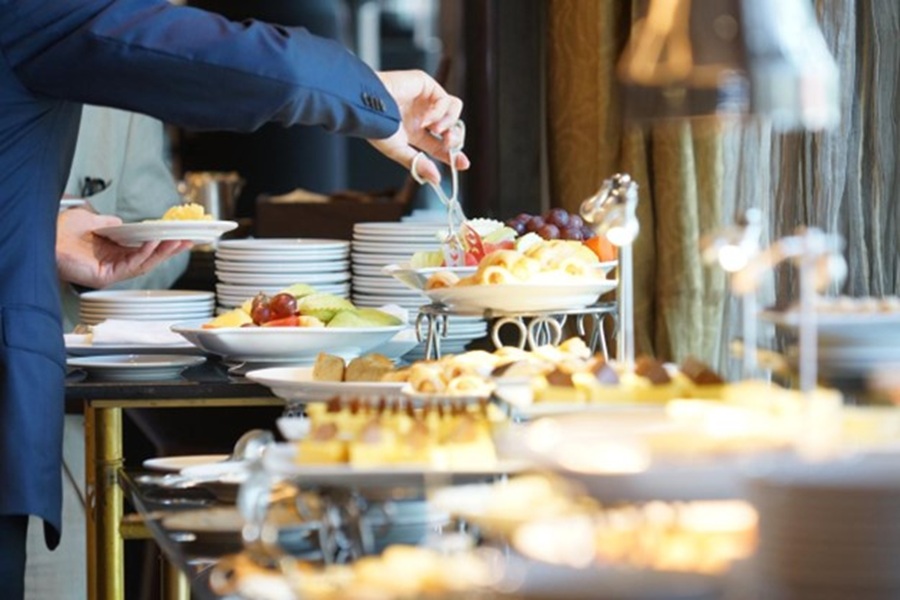
Breakfast catering has become an increasingly popular choice for morning events, offering a seamless way to provide guests with delicious, energizing food while setting a positive tone for the day. Whether you’re planning a corporate meeting, wedding brunch, or early networking event, breakfast catering is not only convenient but can also create a warm and welcoming atmosphere that encourages social interaction.
One of the key reasons breakfast catering works so well for morning events is its versatility. Breakfast menus can range from casual and comforting to upscale and gourmet, making it easy to tailor your offerings to the preferences and expectations of your audience. From classic pastries and freshly brewed coffee to contemporary options such as smoothie bowls or avocado toast, there’s something about breakfast foods that resonates universally with attendees.
Morning events also benefit from the refreshing simplicity of breakfast dishes. Unlike heavy lunch or dinner menus, breakfast items are typically lighter yet still satisfying. This ensures guests feel energized without feeling overly full, allowing them to focus on the purpose of the event—whether that’s brainstorming ideas in a business setting or celebrating milestones at a social gathering.
Additionally, planning a catered breakfast can be surprisingly cost-effective. Items like bagels, muffins, fresh fruit platters, and yogurt parfaits are both budget-friendly and widely appreciated by diverse groups of people. Even when opting for more elaborate setups such as egg stations or artisanal pastries, breakfast tends to be less costly than other meal services due to more affordable ingredients and simpler preparation methods.
Another advantage is how adaptable breakfast catering can be in terms of dietary preferences and restrictions. With plenty of options such as gluten-free baked goods, plant-based protein dishes, dairy-free alternatives like oat milk lattes or almond yogurt parfaits, it is easy to create an inclusive menu where everyone feels considered.
Finally, incorporating thoughtful touches into your setup enhances the overall experience for guests. Consider whimsical displays with tiered stands showcasing freshly baked croissants or rustic wooden trays filled with locally sourced jams alongside warm bread rolls. Adding live culinary stations where chefs prepare made-to-order omelets or crepes not only elevates the dining experience but provides entertainment value as well.
The appeal of breakfast catering lies in its ability to connect people over shared meals during a time when everyone is most refreshed—at the start of their day. This fosters meaningful conversations and collaboration in professional settings while encouraging relaxation and joy at personal celebrations. When planned thoughtfully around guest preferences and event themes, a catered breakfast can transform any morning gathering into something truly memorable.
When it comes to breakfast catering, there’s a certain charm in offering classic options that evoke comfort and nostalgia. These timeless favorites have an enduring appeal, satisfying a range of palates while ensuring your guests start their day feeling fulfilled and delighted. Including beloved staples in your menu not only guarantees widespread approval but also creates a sense of familiarity for those who might be less adventurous with their morning meal choices.
No breakfast spread is truly complete without an assortment of pastries and baked goods. Croissants, danishes, muffins, and buttery scones offer a versatile foundation for any menu. You can elevate these classics by including options such as almond croissants or fruit-filled danishes alongside traditional buttered varieties. For added variety, think about incorporating mini bagels or artisan breads with spreads like cream cheese, flavored butters, or fresh jam.
Warm dishes are another cornerstone of any classic breakfast catering menu. Offering scrambled eggs, crispy bacon strips, golden hash browns, and savory sausage links will appeal to almost everyone. Consider adding gourmet touches to these traditional items—such as herbed scrambled eggs or maple-glazed bacon—to create a more elevated experience while maintaining their familiar essence.
Few dishes bring joy to breakfast enthusiasts like pancakes and waffles do. Fluffy pancakes topped with syrup and seasonal fruit or golden waffles adorned with whipped cream can serve as the centerpiece of your event’s catering spread. Adding toppings such as chocolate chips, nuts, or berry compotes allows guests to customize their servings while keeping within the realm of classic comfort foods.
A platter brimming with colorful seasonal fruits provides a refreshing contrast to heavier items on the menu. Include options such as melon slices, ripe berries, pineapple chunks, grapes, and orange wedges for a visually appealing—and healthy—addition to the table. For an extra touch of indulgence that still feels lightheartedly classic, pair the fruit selection with honey yogurt or mascarpone cream dips.
Traditional beverage pairings are essential when curating this type of spread. Serve freshly brewed coffee alongside rich creamers and sugar cubes for customization; include decaffeinated options for wider appeal. Don’t forget hot teas—including herbal varieties—and refreshing juices like orange juice, apple juice, or cranberry blends.
Providing these universally loved classic breakfast staples ensures that all guests leave contented while creating opportunities for subtle upgrades to enhance presentation and flavor profiles where necessary. By balancing variety with familiarity in each dish offered at your event’s breakfast table you seamlessly please diverse tastes without overcomplicating logistics or alienating any attendees’ preferences.
When it comes to breakfast catering, the demand for healthier and more innovative options has been steadily on the rise. Modern guests are looking for more than just traditional fare—they want choices that align with their health goals, dietary preferences, and interest in trying new flavors or trends. Incorporating healthy and contemporary menu items not only caters to these needs but can also add a unique twist to your event’s dining experience.
The cornerstone of a modern breakfast is fresh, whole ingredients that nourish the body. Consider offering dishes made with whole grains like quinoa porridge or overnight oats topped with fresh fruit, nuts, and seeds. Avocado toast is another staple of healthy breakfast menus—serve it on artisanal bread with toppings such as cherry tomatoes, microgreens, or chili flakes for added flavor.
Smoothie bowls are a vibrant addition to any spread. These can be customized with fruits such as acai berries, bananas, mangos, or spinach for an extra dose of vitamins. Toppings like granola clusters, coconut shavings, and chia seeds add texture while staying health-conscious.
With plant-based diets becoming increasingly popular across all demographics, offering vegan-friendly options has become essential. Dishes like tofu scrambles seasoned with turmeric and vegetables can provide the feel of scrambled eggs while being entirely plant-based. Serve alongside sweet potato hash or roasted vegetables for a hearty option.
Vegan pancakes or waffles made from almond flour or oat flour offer a gluten-free twist without compromising flavor. Accompany these with agave syrup or nut butter instead of traditional syrups to cater to diverse tastes.
Gluten sensitivities are becoming more widely recognized, making gluten-free options a valuable inclusion in your catering menu. Offer gluten-free muffins made from almond or coconut flour and sweetened naturally with honey or maple syrup. Egg-based dishes such as frittatas are naturally free of gluten when paired with vegetable fillings like spinach and mushrooms.
Additionally, breakfast bowls featuring quinoa instead of traditional grains provide both protein content and versatility in terms of flavor profiles.
Nothing complements a healthy breakfast better than thoughtfully curated beverage choices. In addition to classic coffee and tea options, serve cold-pressed juices featuring combinations like carrot-ginger-orange or cucumber-mint-lime to refresh guests as they dine. Herbal teas such as chamomile or matcha can also provide soothing alternatives to standard caffeinated drinks.
For an interactive element at your event, consider having a smoothie bar where attendees can pick their preferred ingredients—think kale, pineapple chunks, almond milk—and watch them blended into nutrient-packed beverages right before their eyes.
Modern breakfast catering isn’t just about what you serve—it’s how you present it. Use natural materials such as wooden boards for serving baked goods like muffins and scones alongside fresh fruit platters arranged by color gradients that create visual appeal.
Display yogurt parfaits in individual glass jars topped neatly with granola layers; this not only enhances presentation but also makes them easy to grab-and-go at corporate events where time efficiency matters.
By focusing on health-conscious choices without sacrificing taste or creativity in presentation methods, you’ll not only impress guests but ensure they leave feeling satisfied without guilt—a win-win for any catered event focused on starting the morning off right.
When it comes to creating a memorable breakfast catering experience, interactive food stations and build-your-own bars stand out as crowd favorites. These setups encourage creativity, engagement, and customization, making them ideal for events of all sizes. Whether it’s a corporate breakfast meeting or a celebratory brunch, interactive options not only elevate the dining experience but also accommodate a variety of preferences and dietary needs.
Interactive stations transform breakfast from a passive meal into an enjoyable activity. Guests can personalize their plates according to their tastes, ensuring they get exactly what they want while adding an element of fun to the event. These setups are particularly effective at breaking the ice in group settings by encouraging conversation around shared experiences.
The visual appeal of these stations also adds to their allure. Vibrant spreads featuring colorful fruits, toppings, and garnishes create an inviting display that can double as part of your event décor. A well-curated station can be both functional and aesthetically pleasing.
When planning a breakfast catering menu, ensuring that dietary restrictions and preferences are thoughtfully addressed is critical to delivering an inclusive and enjoyable experience for everyone. With the growing awareness around food allergies, intolerances, and lifestyle choices, being prepared to accommodate a variety of needs is no longer optional but essential. Here’s how to approach this important aspect of breakfast catering.
A well-rounded menu should naturally include options for all major dietary categories. Consider offering dishes that cater to vegetarian, vegan, gluten-free, dairy-free, and nut-free diets. For example: – Vegetarian Options: Incorporate dishes like vegetable quiches or savory breakfast bowls with roasted vegetables and eggs.
– Vegan Choices: Serve plant-based alternatives such as tofu scramble wraps or chia seed pudding with fresh fruit.
– Gluten-Free Items: Include gluten-free baked goods like muffins or banana bread made with almond or oat flour alongside naturally gluten-free items like yogurt parfaits or frittatas.
– Dairy-Free Selections: Provide dairy-free milk options like almond, oat, or coconut milk for coffee or cereal bars.
Clear labeling is one of the simplest yet most effective ways to navigate dietary restrictions at catered events. Use professional signage that highlights key allergens (e.g., nuts, gluten) or specifies if a dish is vegan or dairy-free. This not only empowers guests to make informed food choices but also demonstrates your commitment to inclusivity.
Interactive stations are an excellent way to manage dietary preferences while adding an element of fun. Build-your-own breakfast bars allow guests to tailor their meals based on individual needs. For example: – A yogurt parfait bar with non-dairy yogurts alongside traditional options provides flexibility. – An oatmeal station can include various toppings such as fresh fruits, seeds, nuts (clearly labeled), and sweeteners like honey or agave syrup. – For egg lovers, consider an omelet station where guests can choose ingredients such as vegetables, cheese alternatives, and proteins.
Working closely with experienced caterers who specialize in accommodating dietary restrictions can make all the difference in your event’s success. They will often have creative solutions for common challenges while ensuring cross-contamination risks are minimized during preparation.
Whenever possible, gather information about attendees’ dietary needs ahead of time. Adding a field for dietary requirements on RSVP forms allows you to better prepare tailored offerings without last-minute surprises.
Beverages often get overlooked when considering dietary restrictions but are just as important as food offerings. Make sure coffee bars feature plant-based milk options while including herbal teas for those avoiding caffeine altogether.
By addressing these details thoughtfully and proactively while crafting your breakfast catering plan, you’ll create an environment where everyone feels valued and cared for—a hallmark of any successful event experience.
Crafting a successful breakfast catering menu requires thoughtful planning and attention to detail. Breakfast, being the first meal of the day, sets the tone for any event, so ensuring it is well-organized, diverse, and appealing to all guests is essential. Below are some key tips that can help elevate your breakfast catering menu and leave a lasting impression on your attendees.
Understanding your guests’ preferences is the cornerstone of a great breakfast catering menu. Consider factors such as age group, cultural background, and the nature of the event. For instance, corporate events may call for grab-and-go options like pastries or wraps paired with coffee and tea for convenience. On the other hand, family gatherings might benefit from heartier dishes like pancakes or breakfast casseroles served in a warm and inviting setup.
Strike a balance between variety and simplicity. A successful breakfast spread should include something for everyone without overwhelming choices. A well-rounded menu might feature sweet options like waffles or muffins alongside savory items such as quiches or scrambled eggs. Pair these with fresh fruit platters or yogurt parfaits to provide balance between indulgence and health-conscious choices.
Adding seasonal touches to your menu not only enhances flavor but also makes your offerings feel fresh and timely. During spring or summer events, focus on fruits like berries, melons, or citrus in salads and smoothies. For fall breakfasts, consider incorporating pumpkin spice flavors into baked goods or using apples in oatmeal toppings. This approach adds an element of thoughtfulness that guests will notice.
Catering to dietary restrictions and preferences is no longer optional; it’s an expectation at most events today. Ensure your menu includes vegetarian-friendly dishes such as egg-free frittatas made from chickpea flour or plant-based sausage patties for vegan attendees. Gluten-free options like almond flour pancakes can be offered alongside regular varieties so everyone feels accommodated.
Breakfast catering should focus on portions appropriate for morning consumption—light enough not to leave guests feeling sluggish yet satisfying enough to energize them through their day’s activities. Mini quiches, single-serving smoothie cups, or small croissants are excellent examples of portion-conscious offerings.
The beverage selection plays an integral role in completing your breakfast catering experience. Beyond traditional coffee and tea options—which should always be high-quality—consider including unique beverages such as cold brew coffee with oat milk or freshly pressed juices tailored to seasonal ingredients like watermelon mint in summer months.
People eat with their eyes first; hence presentation matters just as much as taste when it comes to catered breakfasts. Use elegant serving trays for pastries, glass carafes for colorful juices, and tiered stands for fruit arrangements to create visual appeal while maintaining practicality during service.
If you’re outsourcing your menu planning or food preparation entirely, make sure you collaborate with caterers who specialize in breakfast events—or have experience catering during early hours when timing may require additional precision.
By following these tips closely while infusing creativity into execution decisions surrounding both food choices & presentations allows those small but impactful details help ensure success
When planning breakfast catering for a corporate event, the goal is to balance professionalism with creativity to create an enjoyable start to the day. A well-executed breakfast can set a positive tone, energize attendees, and foster collaboration. Corporate breakfasts often require a versatile menu that appeals to a diverse group while considering dietary preferences and convenience.
Corporate events are often time-sensitive, so offering grab-and-go options is an excellent way to cater to busy professionals. Include items like individually wrapped breakfast sandwiches, yogurt parfait cups with granola on the side, or packaged fruit salads. These allow attendees to enjoy their meal without interrupting the flow of meetings or presentations. For hot options, consider wraps or handheld quiches that are easy to eat without requiring utensils.
A corporate breakfast isn’t complete without a strong beverage station. Coffee and tea should be staples, but go beyond the basics by offering cold brew coffee, herbal teas, or chai lattes. Freshly squeezed juices in flavors like orange-carrot-ginger or green apple-cucumber can add an energizing touch alongside classic options like orange juice and lemonade.
Consider incorporating non-dairy milk alternatives such as oat milk or almond milk for inclusivity. A hydration station with infused water—think lemon-mint or berry-cucumber—can also provide light refreshment throughout the morning.
One of the primary purposes of corporate breakfasts is networking. Integrate food stations that encourage movement and interaction among guests. Build-your-own bagel bars with various spreads (cream cheeses in unique flavors like herb and honey), smoked salmon, avocado slices, and fresh veggies can serve as conversation starters while offering customization options.
Another interactive idea is live cooking stations where chefs prepare omelets or pancakes to order. This adds entertainment value while giving attendees something fresh and made-to-order.
Highlighting local produce and artisanal goods can elevate your catered breakfast while providing a sense of connection to the community or region where your event takes place. From locally baked pastries to farm-fresh eggs in frittatas or quiches, featuring local ingredients demonstrates thoughtfulness and commitment to quality.
For example, if your event is held in a region known for its honey production or dairy farms, incorporate these elements into dishes such as honey-drizzled Greek yogurt bowls or cheese platters that include offerings from local creameries.
Corporate events often include individuals with diverse dietary needs; it’s essential that everyone feels accommodated during breakfast catering. Ensure there are vegetarian options such as tofu scramble bowls alongside traditional egg dishes. Gluten-free baked goods like muffins made from almond flour can pair well with butter spreads and jams.
Providing clear labels at food stations helps attendees identify allergen-friendly dishes quickly—for instance, indicating nut-free granola choices or vegan toppings at oatmeal bars ensures inclusivity without confusion.
To reinforce professionalism during your corporate event’s breakfast catering: – Use elegant serving platters and clean layouts for food presentation. – Choose high-quality disposable serving ware if reusable plates aren’t feasible. – Staff your event appropriately by ensuring attentive servers maintain cleanliness and replenish items promptly.
Small details such as branded napkins featuring company logos or custom signage at food displays add polish without being overbearing.
With thoughtful planning focused on variety, inclusion, convenience, and presentation designed around professional needs, corporate breakfasts become more than just meals—they turn into memorable moments fostering engagement among guests.