Online
Reservation
Integer congue malesuada eros congue varius. Sed malesuada dolor eget velit pretium. Etiam porttitor finibus. Nam suscipit vel ligula at dharetra

Integer congue malesuada eros congue varius. Sed malesuada dolor eget velit pretium. Etiam porttitor finibus. Nam suscipit vel ligula at dharetra

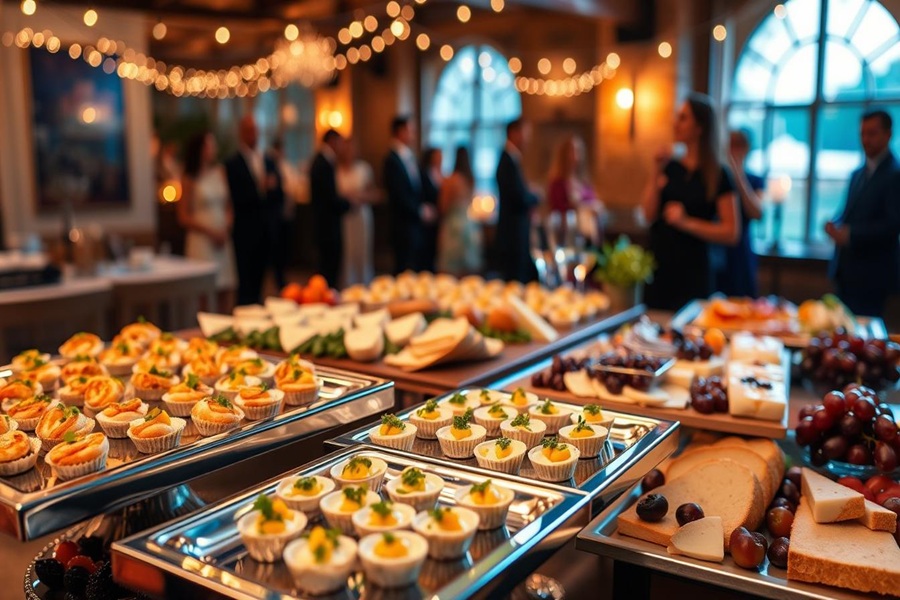
Engagement party catering is about more than just providing food; it’s about curating a memorable experience for you and your guests. When hiring a caterer for such an occasion, you can expect a service that combines professionalism with creativity to suit the celebratory nature of your event. From menu curation to service styles, the catering team will work closely with you to ensure every detail aligns with your vision.
One of the first things to anticipate is a consultation. During this initial meeting, the caterer will learn about your preferences, budget, guest list size, and any unique needs—such as dietary restrictions or cultural influences. This conversation sets the tone for what kind of service and food options you can expect.
You’ll also notice that engagement party catering often has flexibility built into its offerings. Whether you’re hosting an intimate gathering at home or throwing a larger soirée at a venue, caterers typically provide scalable solutions tailored to your chosen setting. For example, if you’re planning an outdoor garden party, they might suggest fresh seasonal options or light appetizers that pair beautifully with cocktails. Alternatively, formal indoor parties may call for elegant plated meals or creative buffet stations.
Food presentation is another hallmark of professional engagement party catering. The aesthetic appeal of dishes becomes particularly significant in such celebrations because the visual element adds sophistication and creates photo-worthy moments during the event. You can expect dishes that are as pleasing to look at as they are to eat—think artfully arranged hors d’oeuvres or elegantly garnished desserts.
Service style will also play a crucial role in shaping your event’s ambiance. Caterers usually offer several options including passed appetizers served by staff, buffet setups for self-service flexibility, or plated services for formal sit-down dinners. With their expertise, most caterers advise on which style works best based on your venue layout and guest count.
Finally, professional caterers often provide guidance beyond just food preparation—helping coordinate rentals like tableware and linens if needed and even assisting with timelines for serving courses during the party itself. A good catering team strives to provide not only exceptional culinary experiences but also peace of mind so that you can focus on enjoying this special milestone surrounded by friends and family.
When planning the catering for your engagement party, understanding the factors that influence costs can help you stay within budget while still ensuring a memorable experience. Catering expenses can vary widely depending on several key elements, each contributing to the final price. Knowing what these are allows you to make informed decisions without compromising on quality or guest satisfaction.
The number of guests attending your event is one of the most significant factors affecting catering costs. Larger guest lists naturally require more food, beverages, and service staff. Additionally, portion sizes and how much food you anticipate each guest consuming can also impact overall costs. For instance, a cocktail-style menu with hors d’oeuvres may cost less per person compared to a full multi-course plated dinner.
The style of catering service you choose plays a critical role in determining pricing. Buffet-style meals tend to be more cost-effective because they require fewer servers and lower labor costs compared to plated dinners or family-style service. On the other hand, having passed appetizers or live food stations may increase expenses due to additional staffing requirements and specialized equipment.
The complexity and type of dishes featured in your menu significantly affect pricing too. Gourmet ingredients like lobster, truffle oil, or premium cuts of meat will drive up costs compared to simpler, seasonal options such as roasted chicken or vegetarian pasta dishes. Customization also matters; menus tailored to specific themes tend to demand higher preparation efforts and additional spending.
Whether you plan on offering an open bar, a signature cocktail menu, or BYOB options will influence how much you spend on beverages. Open bars are often more expensive due to unlimited alcohol consumption throughout the event, whereas offering limited selections (wine and beer only) can help reduce expenses while still accommodating most guests’ preferences.
Longer engagement events generally lead to higher catering bills simply because it takes more time for preparation, serving, cleaning up afterward—and often involves extended staff hours. If your celebration extends over multiple hours or includes multiple courses timed throughout the evening (e.g., hors d’oeuvres followed by dinner), this added time directly impacts labor expenditures.
Some venues come with built-in kitchens that enable caterers to prepare food onsite efficiently; others might lack such facilities altogether—requiring caterers either bring pre-prepared dishes or set up temporary cooking stations at an added cost. Venues with limited parking spaces for trucks or challenging layouts could also pose logistical issues that increase prices.
If your venue doesn’t provide essentials like tables, chairs, linens, plates, glassware—and even specific kitchen appliances—you’ll likely need rentals through either your caterer or third-party vendors. These extra rental charges should be accounted for when calculating total catering expenses.
Accommodating dietary restrictions (vegan options/gluten-free meals) might involve sourcing specialty items which sometimes come at premium pricing levels due supply-chain processes tied niche markets those products stem from-demand curve supplies fluctuates greatly
Crafting the perfect menu for an engagement party requires a balance of variety, creativity, and attentiveness to your guests’ preferences. The menu not only sets the tone for the celebration but also reflects the personality of the couple. Whether you’re going for a formal sit-down dinner or a casual cocktail-style gathering, your food and drink offerings should create a memorable experience. Here are some popular menu ideas to inspire you.
Start the event with an array of appetizers that are easy to eat while mingling. Incorporating small bites ensures guests can enjoy flavorful options without feeling weighed down early in the event. Crowd-pleasing choices include bruschetta topped with fresh tomatoes and basil, smoked salmon crostini, or mini caprese skewers featuring mozzarella, cherry tomatoes, and fresh basil leaves. For something warm, consider serving stuffed mushrooms or crispy arancini.
The main course should align with the overall vibe of your party. For elegant gatherings, plated options like herb-crusted chicken breast with roasted vegetables or grilled salmon paired with seasonal sides work well. If you’re hosting something more casual, interactive food stations can add excitement—think taco bars with various fillings or pasta stations where guests can customize their dishes.
Comfort foods presented in a stylish way also make excellent choices for engagement parties. Gourmet sliders on brioche buns or upscale mac and cheese served in individual ramekins look as appealing as they taste.
Desserts are often one of the most anticipated parts of any celebration. Bite-sized treats like mini cupcakes, macarons in pastel colors, chocolate-dipped strawberries, and petite cheesecakes are both visually appealing and easy to eat without disrupting conversations.
For something more personalized, consider themed desserts such as cookies embossed with the couple’s initials or engagement ring-shaped cake pops. Alternatively, offering a small dessert bar allows guests to select their favorites from an assortment of sweet treats.
A signature cocktail adds a unique touch to any engagement party while tying your menu together thematically. For an outdoor summer celebration, fruity drinks such as sangria or mojitos infused with fresh herbs might be ideal options. Winter engagements pair beautifully with spiced beverages such as mulled wine or hot toddies.
Don’t forget non-alcoholic beverages that complement your menu and cater to all preferences—infused waters featuring cucumber or citrus slices provide elegance without complexity.
If you’re looking for something unconventional yet deliciously memorable, consider incorporating international cuisines into your menu planning. Mediterranean mezze platters featuring hummus, falafel bites, and tabbouleh salad showcase diverse textures and flavors alongside classic offerings like pita bread.
Asian-inspired hors d’oeuvres such as spring rolls or sushi platters bring sophistication while offering lighter fare; Latin cuisine options like empanadas or ceviche provide bold spices that many find irresistible.
Seasonally inspired dishes not only taste fresher but connect your meal directly to nature’s bounty at that time of year. For spring engagements, opt for light fare like asparagus tartlets or lemon-herb chicken; fall parties might feature butternut squash soup shooters or apple tarts using freshly harvested produce from local farms.
By focusing on creative combinations tailored to personal tastes alongside practical considerations (like dietary restrictions), you’ll ensure every guest remembers not only celebrating love but savoring every bite along the way at your engagement party.
Crafting the perfect menu for an engagement party is a crucial step in ensuring the success of your event. The food and beverages you serve play a vital role in creating an atmosphere that reflects the couple’s personality and sets the tone for their celebration. Whether you’re looking to host a casual backyard gathering or an upscale soirée, choosing well-suited menu options can take your party to the next level.
Appetizers are often the highlight of any catered event, and for an engagement party, they offer an opportunity to get creative while accommodating diverse tastes. Bite-sized hors d’oeuvres such as bruschetta topped with fresh tomatoes and basil, mini sliders with gourmet toppings, or skewers featuring mozzarella, cherry tomatoes, and pesto are excellent choices. These options are easy for guests to enjoy while mingling.
For something more interactive, consider a grazing table filled with artisanal cheeses, cured meats, fresh fruits, nuts, and crackers. This not only provides variety but also creates a visually impressive centerpiece.
When planning mains for your engagement party menu, think about dishes that cater to the style of your celebration. For elegant affairs, plated entrees such as herb-crusted salmon or roasted chicken with seasonal vegetables can add a touch of sophistication. On the other hand, if you’re going for a more relaxed vibe, buffet-style offerings like pasta stations or taco bars allow guests to customize their meals while keeping things casual.
A unique option could include themed menus inspired by cuisines special to the couple—such as Italian favorites like risotto or Japanese sushi rolls. Opting for customizable food stations ensures all guests find something they love without compromising on quality.
Desserts bring any event full circle and provide another opportunity for creativity on your menu. Instead of traditional wedding-style cakes (which may be better saved for the big day), consider offering dessert tables with cupcakes in creative flavors like salted caramel or lavender honey.
Another idea is incorporating individual-sized desserts such as mini cheesecakes, macaroons in pastel colors that match your décor theme, or panna cotta served in martini glasses for added elegance. Seasonal desserts like fruit tarts during summer months or pumpkin-spiced treats in cooler seasons can also leave a lasting impression.
When it comes to drinks, crafting signature cocktails that honor the couple’s journey together adds a personal touch to your menu while providing variety beyond standard wine offerings. Pair light cocktails such as spritzers with appetizers or heavier drinks like whiskey sours alongside heartier dishes.
Make sure non-alcoholic beverages are readily available as well—consider sparkling waters infused with fresh herbs and fruit slices or mocktails crafted with care so all guests feel included.
The key when designing an engagement party menu is balance: mixing hearty options and lighter fare ensures every guest leaves satisfied without feeling overwhelmed by heavy dishes. Focus on seasonal ingredients whenever possible—it not only enhances freshness but can also tie into any chosen theme effortlessly.
Planning an engagement party involves creating an inclusive menu that ensures all guests feel welcomed and cared for. Accommodating dietary needs can seem challenging, but with thoughtful preparation and open communication, it becomes a seamless process. From food allergies to lifestyle choices like veganism or gluten-free diets, understanding how to navigate these requirements is essential to a successful celebration.
Begin by gathering information about your guests’ dietary needs. This can be done through RSVP requests where you ask attendees to note any allergies, restrictions, or preferences. Understanding these needs early on allows you to design a menu that considers everyone’s well-being.
Once you have this information, categorize the requirements into common groups such as vegetarian, vegan, gluten-free, dairy-free, nut-free, and low-sodium options. For every category identified, ensure there’s at least one appetizer, entrée, and dessert available that suits their dietary restriction.
When discussing menu options with your caterer, inform them about the dietary restrictions you’ve noted. A professional catering team will have experience in creating tailored dishes for specific needs without compromising on flavor or presentation. They can help adapt recipes or suggest creative alternatives for accommodating diverse tastes.
For example:
– A vegan guest could enjoy roasted vegetable skewers with tahini sauce instead of traditional meat-based appetizers.
– For guests requiring gluten-free options, substitute flour-based items with almond or coconut flour alternatives for desserts like cakes or cookies.
Be sure to also verify if the caterer has protocols in place to prevent cross-contamination in cases of severe allergies. This is particularly important for allergens like nuts or shellfish.
Inclusivity doesn’t mean sacrificing culinary creativity. Aim for balance by providing dishes that everyone can enjoy regardless of restrictions while incorporating crowd-pleasers such as fresh salads with customizable toppings or hearty grain bowls served alongside protein options like grilled chicken or tofu. Incorporating naturally allergen-friendly foods such as fresh fruits, vegetables, rice-based dishes, and sorbets ensures universal appeal without additional effort.
You might also consider labeling each dish on display at the event using small cards indicating major allergens or specific accommodations (e.g., gluten-free pasta salad). This saves guests from having to ask repetitive questions while helping them make informed choices confidently.
While food takes center stage at most events, don’t overlook beverages when accounting for dietary needs. Ensure non-alcoholic drinks are readily available alongside alcoholic offerings so all age groups feel included. Additionally: – Consider offering plant-based milk alternatives (like oat milk) for coffee or tea service. – Provide naturally sweetened drinks without added sugars for those watching their sugar intake.
Planning food and portions for an engagement party is both an art and a science. You want to ensure that everyone leaves satisfied while minimizing waste. With thoughtful consideration of your guest list, type of event, and timing, you can strike the perfect balance between abundance and efficiency.
The first step in planning food quantities is confirming your guest count. A finalized RSVP list can help you work with precise numbers instead of estimates. When calculating portions, keep in mind that different types of events will influence how much food guests are likely to eat. For example, a sit-down dinner typically requires more substantial servings per person than a casual cocktail-style gathering with light bites.
The time of day that your engagement party takes place has a significant impact on how much food you’ll need to serve. If your celebration is scheduled during traditional meal hours—such as lunchtime or dinner—guests will expect larger portions or more filling menu options. If the event falls between meals, lighter fare like hors d’oeuvres, grazing boards, or desserts may be sufficient.
Offering a diverse selection of dishes ensures that there’s something for everyone but avoid overwhelming your menu with too many options. A good rule of thumb is to provide three to five main items alongside complementary sides or appetizers. For example:
– One protein-focused dish (such as chicken skewers or beef sliders)
– A vegetarian option (like stuffed mushrooms or pasta salad)
– Seasonal sides that pair well with the mains
Keep flavors cohesive within your menu so guests can effortlessly enjoy combinations without one dish overpowering another.
Dietary needs play an important role in portion planning. Guests who follow specialized diets (vegetarian, gluten-free, etc.) must feel included in the menu offerings without being left hungry due to limited options tailored specifically for them.
Overestimating food quantities leads not only to waste but also unnecessary expenses; however, running out leaves guests dissatisfied—a balancing act is essential here! Discuss safety nets with your caterer such as additional backup trays stored onsite if necessary.
Collaborating closely with catering professionals ensures accurate estimates tailored directly toward specific factors surrounding YOUR unique event setup
Selecting the right caterer for your engagement party is essential to ensure your event is a success. With numerous catering companies available, it’s important to find one that aligns with your vision, budget, and expectations. Here are some key considerations and actionable tips to help you make the best choice.
Before reaching out to potential caterers, define your needs clearly. Consider the size of your guest list, the venue type, and whether you’re looking for a formal sit-down affair or a more casual buffet-style setup. Identifying these details early will help streamline your search and ensure that the caterer you choose can provide exactly what you need.
Start by seeking recommendations from friends, family, or colleagues who’ve hosted similar events successfully. Personal referrals often lead to reliable options. Additionally, browse online reviews and testimonials on trusted platforms. Look for consistency in feedback about food quality, professionalism, punctuality, and flexibility.
Engagement parties come with their own unique set of requirements compared to weddings or other events. Ask potential caterers whether they’ve catered similar celebrations before and inquire about their experience accommodating specific themes or styles. A caterer familiar with engagement parties may already have creative menu ideas or logistical insights that can benefit your event.
A tasting session is a crucial step in choosing the right caterer. Most professional catering companies offer tastings so you can sample their food before making a final decision. Use this opportunity not only to assess the taste but also presentation quality and portion sizing. Don’t hesitate to provide feedback during these sessions—this will give you an idea of how responsive they are to customization requests.
The menu should reflect your preferences as a couple while accommodating guests’ dietary needs and cultural expectations where necessary. Discuss their ability to offer customized dishes if standard menus don’t align with what you envision for the day. It’s important that they strike a balance between creativity and practicality when designing menus suited for diverse palates.
Make sure that any caterer you consider is licensed and has proper insurance coverage. A professional catering company should meet local health department standards, ensuring high-quality food preparation practices from start to finish.
Ask questions about how they handle logistics such as setting up food stations, coordinating servers (if applicable), cleaning up after service, or managing last-minute adjustments on-site during the event day itself. This level of detail ensures smooth execution without unnecessary stress on your part.
Request detailed quotes from shortlisted candidates outlining all costs involved—including staffing fees if applicable—and compare them thoroughly before making any commitments. Be cautious about hidden fees such as delivery charges or equipment rentals; transparency upfront reflects professionalism.
Choosing an exceptional engagement party caterer involves thoughtful research paired with clear communication about expectations at every stage along the way—from initial consultations through finalizing contracts ensuring seamless collaboration leading into what promises celebratory memories lasting long beyond single evening gathering moments shared together connected warmly over inspired flavors guests alike leave delighted raving afterward satisfied all-around experience fosters joy-enhancing occasion craftsmanship elevated culinary artistry finesse tailored perfectly meeting shared unique tastes envisioned beautifully harmonized ambiance entire joyful gathering encapsulating milestone worth cherishing sentimentally meaningful ways truly resonate deeply everyone attending.
 Optimized by Seraphinite Accelerator