Online
Reservation
Integer congue malesuada eros congue varius. Sed malesuada dolor eget velit pretium. Etiam porttitor finibus. Nam suscipit vel ligula at dharetra
Integer congue malesuada eros congue varius. Sed malesuada dolor eget velit pretium. Etiam porttitor finibus. Nam suscipit vel ligula at dharetra

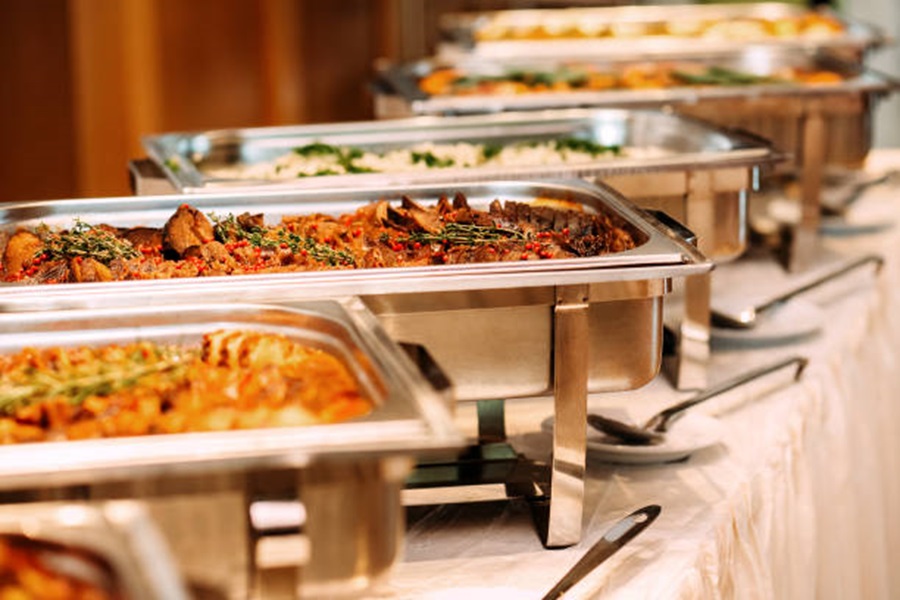
Catering plays a critical role in the success of any film production, from independent projects to large-scale studio movies. A well-fed cast and crew are not only more productive but also maintain better morale, ensuring the shoot proceeds smoothly. When you’re managing long production days filled with tight schedules, complex scenes, and high-pressure environments, proper catering is far more than just a luxury — it’s an operational necessity.
Neglecting proper catering can have ripple effects across your entire shoot: – Decreased Efficiency: Hungry individuals work slower or make mistakes that lead to costly retakes. – Higher Turnover Risks: Poor catering may cause dissatisfaction among crew members who may hesitate to join future projects with your team. – Health Concerns: Offering low-quality or unbalanced meals increases the chances of exhaustion or health complications over multi-day shoots.
When managed properly, catering ensures that meal breaks are efficient without cutting into valuable production time: – Sticking to meal schedules keeps everyone aligned with union guidelines (e.g., SAG-AFTRA or IATSE requirements regarding meal breaks). – On busy sets, pre-prepared meals or buffets minimize idle time compared to made-to-order options.
| Benefit | Impact on Film Set |
| High-quality food | Boosts energy levels for sustained performance |
| Well-organized meal breaks | Reduces downtime; prevents overrun schedules |
| Accommodating dietary needs | Builds trust and satisfaction among team members |
Hiring experienced film shoot caterers ensures that every aspect of your crew’s nutrition is thoughtfully handled: 1. They understand the pace and unique challenges of serving food on-set. 2. They are skilled at providing fresh meals in remote locations or unconventional environments. 3. They can scale their offerings based on the size and budget of your production.
Proper catering isn’t just about feeding people — it’s about creating an environment where everyone feels cared for so they can focus on delivering their best work. When you prioritize good food as part of your production plan, you set the tone for a successful project from day one.
Long production days demand meals that are filling but won’t leave people feeling sluggish. Focus on creating menus that balance nutrients and provide sustained energy: – Breakfast: Prioritize proteins (eggs, yogurt, nut butter), complex carbohydrates (whole-grain toast or oats), and fresh fruits to start the day on a high note. – Lunch: Include lean proteins like chicken or tofu paired with whole grains such as quinoa or brown rice, along with a variety of roasted vegetables or salads. – Dinner: Provide options that are hearty yet not overly heavy—think baked salmon or vegetable stir-fry with sweet potatoes or couscous.
Repetition can quickly dampen morale during multi-day shoots. Rotate cuisines and flavor profiles throughout the week: – Example: Offer Italian-inspired pasta dishes one day, followed by a Mexican-style burrito bar or an Asian noodle bowl the next. – Incorporate vegetarian and vegan options as main dishes rather than afterthoughts.
Film sets often work on tight schedules where every minute counts: – Choose dishes that can be prepared quickly while maintaining quality. Buffets work well because they allow everyone to eat at their own pace within allotted breaks. – Avoid foods that require excessive assembly or garnish at the last moment.
| Day | Breakfast Menu Idea | Lunch Menu Idea | Dinner Menu Idea |
| Monday | Greek yogurt with granola & fruit; avocado toast | Grilled chicken wraps; roasted veggie quinoa salad | Stir-fried shrimp with fried rice |
| Tuesday | Smoothie bowls; scrambled eggs & whole-grain toast | Turkey burgers; arugula pear salad | Lentil soup & crusty bread |
Some shooting locations may make it difficult to sit down for proper meals: – Prepare portable food options like wraps, sandwiches, bento boxes, or grain bowls that don’t require utensils. – Use insulated containers to keep hot foods warm during transport.
By aligning meal plans with energy demands, production timelines, and cast-and-crew preferences, catering can become an integral part of ensuring smooth operations on set.
Providing balanced meals on a film set is essential to keep the cast and crew energized, focused, and ready to power through long hours of production. A well-thought-out menu not only fosters productivity but also creates a positive atmosphere, showing your team that their health and well-being are a priority. Below is a guide on how to create menus that satisfy nutritional needs while catering to diverse tastes.
| Protein Source | Carb Base | Vegetables | Sauce/Dressing |
| Grilled chicken | Quinoa | Steamed broccoli & carrots | Lemon tahini |
| Baked salmon | Brown rice | Roasted zucchini & peppers | Herb vinaigrette |
| Marinated tofu | Pasta salad | Mixed greens & cherry tomatoes | Asian sesame |
By providing colorful plates filled with varied nutrients at every meal yet maintaining simplicity in execution through smart planning methods outlined above ensures everyone remains fueled both physically and mentally!
Providing food that satisfies a wide variety of dietary needs is essential when catering for a film shoot. Cast and crew require proper nourishment to maintain energy levels, but failing to accommodate dietary restrictions and allergies can create discomfort, safety concerns, or even alienate team members. Taking a thoughtful and organized approach ensures everyone feels included and cared for, while minimizing risks.
Before production begins: – Distribute Dietary Preference Surveys: Include questions about allergies (e.g., nuts, shellfish), intolerances (e.g., gluten, lactose), religious or cultural food preferences (e.g., kosher, halal), and lifestyle choices (e.g., veganism). – Confirm Details During Pre-Production Meetings: Review the catering plan with department heads who can relay feedback from their teams. – Label Foods Clearly: Ensure all meals come with clear labels identifying key ingredients (e.g., allergens) and dietary suitability using terms like “vegan,” “gluten-free,” or “contains peanuts.”
A one-size-fits-all meal approach won’t work in a diverse group. Aim for flexibility: – Create Customizable Meals: Set up buffet-style meals where individuals can build their plates based on personal preferences. For example: – Offer grain options like rice or quinoa alongside proteins such as chicken, tofu, or lentils. – Provide dairy-free sauces and dressings alongside regular versions. – Have Pre-Packaged Options Available: For severe allergies that require strict handling practices (like celiac disease), offer sealed pre-packaged meals from certified vendors.
For those with severe allergies, cross-contamination can be as dangerous as the allergen itself. – Use separate utensils, chopping boards, and preparation areas for allergen-free dishes. – Train catering staff to understand the importance of keeping allergens away from allergy-friendly foods during prep and service.
| Allergen | Common Sources | Alternatives |
| Gluten | Bread, pasta, soy sauce | Gluten-free bread/pasta; tamari sauce |
| Dairy | Milk, cheese | Almond/oat milk; vegan cheese |
| Nuts | Peanut butter, tree nuts | Sunflower seed butter; coconut-based snacks |
| Shellfish | Shrimp, crab | Vegetarian protein options |
Making an effort to accommodate less common requests goes a long way: – Offer plant-based protein options like jackfruit tacos or black bean patties for vegans. – Include halal meats or kosher-certified items if requested by cast/crew members. – Provide culturally inspired dishes if appropriate—for instance, having vegetarian curries or falafel wraps.
Despite careful planning: – Have backup snacks/meals on hand for unexpected requests. – Examples: Fresh fruit cups, granola bars (clearly labeled), hummus with veggies.
By prioritizing inclusivity in your catering setup while being mindful of health risks related to dietary restrictions and allergies, you foster an environment where your cast and crew feel genuinely supported—allowing them to focus fully on the production.
Keeping cast and crew energized during a multi-day film production is essential for maintaining productivity, morale, and focus. While meals are the cornerstone of on-set catering, snacks and beverages play a crucial role in bridging the gap between them. Thoughtfully planned snack options can help prevent energy dips and keep everyone refreshed throughout long shoots. Here’s how to plan smart snack and beverage options that cater to diverse needs.
Hydration is just as important as nutrition when it comes to sustaining energy levels on set. Ensure there’s a variety of beverages that not only quench thirst but also provide additional benefits like electrolytes or natural sugars.
The way snacks and beverages are presented can influence how appealing they are during breaks — especially when cast members have limited downtime between takes.
Snacks aren’t just about availability; timing is crucial too: – Schedule brief snack breaks midway between main meals to keep everyone fueled evenly throughout the day. – Make snacks portable so they can be taken onto sets if tight shooting schedules prevent formal breaks.
By offering thoughtfully curated snack options complemented by hydrating beverages, you’re helping your film crew stay energized while showing consideration for their health and well-being — an essential component of any successful production environment.
Selecting a dependable catering service for a film production can significantly impact the energy, morale, and productivity of your cast and crew. The right caterer will not only deliver exceptional food but also demonstrate professionalism, flexibility, and an understanding of the unique demands of a film set. Below are some key considerations for choosing the perfect catering partner for your shoot.
Before approaching potential catering services, make sure you have a clear understanding of your production’s specific needs:
– Number of People: Estimate how many cast and crew members will need meals each day. Break this down by meal (e.g., breakfast, lunch, dinner) and include any additional snacks or beverages.
– Schedule: Identify meal times based on your shoot schedule. Films often require early starts or late-night shoots, so ensure the caterer can accommodate irregular hours.
– Location: If the shoot takes place in remote areas or temporary sets without kitchen facilities, confirm that the caterer has experience with off-site setups or mobile kitchens.
Film sets have unique challenges when it comes to catering. Look for professionals who understand these logistics:
– Experience with Productions: Ask if they’ve catered for other film shoots before—this familiarity often leads to smoother coordination on set. – Handle Large Groups: Confirm their ability to handle high-volume orders efficiently while maintaining food quality. – Adaptability: A reliable caterer should be able to adjust their offerings quickly in case of last-minute changes (e.g., extended shooting hours or increased headcounts).
Consider asking for references from past clients in the entertainment industry to validate their expertise.
The quality and variety of meals provided will directly impact crew satisfaction and energy levels: – Request sample menus to gauge their ability to offer diverse options. – Check whether they can design menus that balance taste with nutrition. – Confirm if they use fresh ingredients and whether they prioritize locally-sourced offerings where possible.
With growing awareness around food allergies, intolerances, and lifestyle choices (vegetarianism, veganism), it’s crucial that your caterer accommodates all dietary restrictions: – Ask how they handle cross-contamination risks for allergens like nuts or gluten. – Review their approach to special diets; ensure there’s enough variety within those options as well.
On busy sets, timing is everything. A dependable caterer should excel at logistical planning: – Punctuality: Meals must be delivered on time—delays can disrupt workflows. – Setup & Cleanup: Confirm whether they manage setup before meals as well as cleanup afterward to keep things running smoothly on set.
If you’ll need additional services like tableware rentals or beverage stations (e.g., coffee bars), ask if these are included.
Before signing any contracts, conduct a tasting session with shortlisted candidates: 1. Observe presentation quality—does it align with what you’d expect on set?
2. Sample various dishes across dietary preferences to assess flavor balance. 3. Discuss how they would handle unexpected issues during production (e.g., weather delays affecting food delivery).
This gives you insight into both their culinary skills and adaptability under pressure.
Finalize expectations through written agreements that outline: – Meal costs per head – Service inclusions (snacks vs full meals vs beverages) – Cancellation policies
A detailed contract ensures transparency between you and the caterer throughout production.
By carefully evaluating these factors when choosing your film shoot caterer, you’ll not only nourish your team effectively but also foster morale during long production days.
Selecting the right caterer for a film shoot is a critical decision that can significantly impact the productivity, morale, and overall well-being of your cast and crew. With long production days and diverse dietary needs, it’s important to partner with a catering service that is not only professional but also experienced in handling the unique demands of film sets. Below are key factors to consider when choosing a reliable film shoot caterer.
Having relevant experience ensures they’re prepared for the fast-paced nature of your shoot.
Ask potential caterers about their ability to create menus that align with your production’s timeline and dietary requirements.
Ensure they label all food clearly and maintain strict protocols to prevent cross-contamination for those with severe allergies.
Testing their punctuality during pre-production meetings or sample tastings can give you insight into how they operate under time constraints.
Cleanliness and safety should always be non-negotiable priorities.
| What To Evaluate | Why It Matters |
| Transparent Pricing | Avoid surprise fees by ensuring quotes include all costs (delivery fees, setup materials). |
| Portion Sizes | Ensure servings are generous enough for all cast/crew members while avoiding excessive waste. |
| Discounts for Multi-Days | Many caterers offer cost-effective packages for extended shoots; inquire about these options early. |
Balancing affordability with high-quality offerings helps maximize both financial resources and crew satisfaction.
A responsive catering company minimizes stress by providing clear updates before every meal service.
By carefully assessing these factors when choosing your film shoot caterer, you’ll set yourself up for seamless meal services throughout production days—helping keep your team fueled so they can perform at their best on set.