Online
Reservation
Integer congue malesuada eros congue varius. Sed malesuada dolor eget velit pretium. Etiam porttitor finibus. Nam suscipit vel ligula at dharetra
Integer congue malesuada eros congue varius. Sed malesuada dolor eget velit pretium. Etiam porttitor finibus. Nam suscipit vel ligula at dharetra

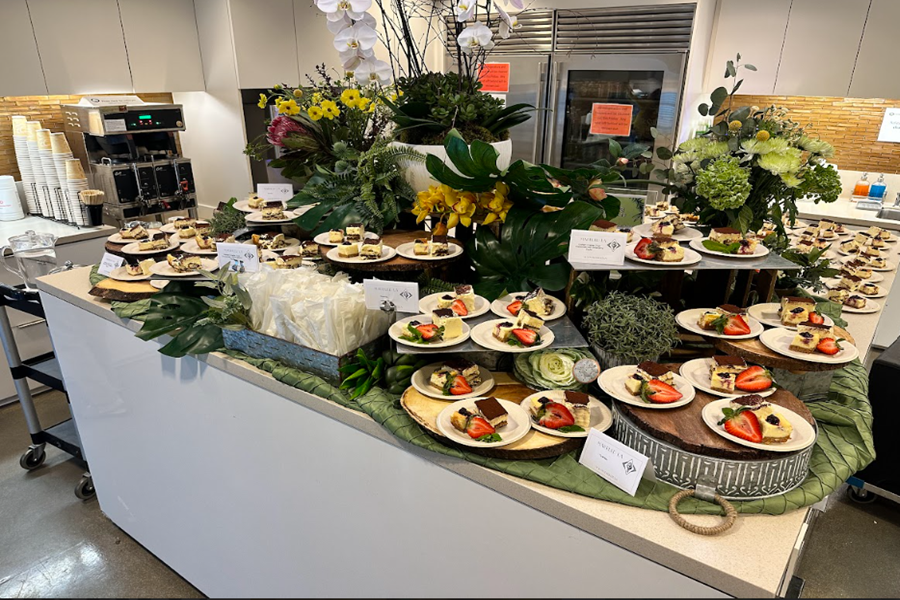
Creating a memorable office lunch experience starts with designing a catering menu that hits the right balance of variety, taste, and practicality. A great catering menu doesn’t just feed your team; it fosters connection, boosts morale, and contributes to workplace productivity. To achieve this, several key factors should be taken into consideration when constructing the perfect menu for your team.
An excellent catering menu offers diversity while maintaining cohesion. Strive for a selection of dishes that cater to various tastes without overwhelming your team with too many choices. Focus on offering options across different categories: proteins (chicken, fish, plant-based alternatives), grains (rice, quinoa, or pasta), and fresh sides (salads and seasonal vegetables). Combining classic comfort foods with innovative or international flavors can also help keep the spread exciting.
For instance: – Pair a hearty pasta dish with a light arugula salad. – Offer tacos with fresh toppings alongside a tray of roasted vegetables. – Include familiar items like wraps or sandwiches complemented by something adventurous such as sushi rolls or grain bowls.
Freshness is non-negotiable in any great menu. Opt for caterers who prioritize seasonal and locally-sourced ingredients whenever possible. Seasonal produce not only enhances taste but also brings vibrant colors to the spread — food presentation matters more than we often give it credit for in creating an appetizing experience.
While indulgent foods can create excitement for some employees — think gourmet sliders or macaroni and cheese — balance is crucial. Incorporate healthy options like grain-based salads, lean proteins like grilled chicken or tofu, and veggie-packed sides to ensure there’s something for health-conscious eaters as well. Offering both options demonstrates thoughtfulness toward individual preferences.
Customization transforms an ordinary office lunch into something special. Include elements where employees can build their own meals based on personal tastes or dietary restrictions. For example: – A sandwich bar with assorted breads, spreads, proteins, veggies. – A salad station offering various greens, nuts/seeds, fruits, dressings. – A taco spread with multiple protein choices paired with salsas ranging from mild to spicy.
Interactive food stations not only make the meal fun but also allow employees to engage directly in creating what they enjoy most.
While food takes center stage on an office lunch menu, beverages are equally important to elevate the overall experience. Ensure there’s an assortment of drink options including infused water pitchers (think cucumber-mint or lemon-lime), fresh juices for natural sweetness lovers, teas for calming moments during workdays — and coffee is always appreciated when included at workplace gatherings.
End things on a sweet note by offering desserts that feel indulgent yet satisfying in moderation. Miniature desserts allow guests to sample small bites without overindulging: think bite-sized brownies topped with sea salt caramel drizzle or fruit parfaits layered neatly in small cups.
Ultimately what makes any office lunch catering menu “great” lies in understanding your team’s needs — whether dietary requirements like gluten-free dishes matter most — their preferences regarding flavors/tastes while nurturing an overall sense togetherness via great shared mealtime experiences
When planning catering for workplace gatherings, it’s essential to consider options that not only satisfy diverse tastes but also encourage team bonding and elevate the overall experience. The right catering can transform a routine office event into something truly memorable while fostering collaboration and engagement among colleagues.
Buffet-style catering remains one of the most popular choices for workplace gatherings because of its versatility. A thoughtfully curated buffet offers something for everyone, whether employees are craving hearty meals or lighter fare. Include a mix of proteins, vegetarian dishes, and side options to ensure dietary preferences are covered. For example, you might offer roasted chicken, grilled vegetables, pasta salads, and a selection of breads or wraps. Buffets also give employees the freedom to serve themselves portions that suit their appetite without feeling restricted.
Boxed lunches are a practical choice for smaller gatherings or when you’re dealing with time constraints. These pre-portioned meals allow everyone to have an individual serving without waiting in line or needing additional setup. You can customize boxed lunches by including sandwiches or wraps with fresh ingredients like turkey, avocado, hummus, and seasonal greens. Pair them with complementary sides such as fruit cups, chips, or cookies for a balanced meal.
For a more intimate and collaborative atmosphere during lunch breaks or meetings, family-style catering is ideal. Large platters served at tables encourage sharing and conversation among team members while allowing them to build their own plates from shared dishes. Think along the lines of casseroles, grilled vegetable trays, charcuterie boards featuring cheeses and cured meats, or even hearty pasta dishes like lasagna.
Themed stations bring an interactive flair to your office lunch gathering by immersing your team in fun culinary experiences. Taco bars with customizable toppings like guacamole and pico de gallo are always crowd-pleasers. Alternatively, ramen stations allow employees to assemble bowls with broth bases, noodles, proteins like tofu or chicken breast slices alongside topping choices such as scallions or boiled eggs.
Finger foods cater well during mingling sessions where traditional plates may not be practical; think gourmet sliders filled w signature sauces available gluten-free mini pita pockets showcasing falafel alongside sweet potato fries dip serves
Creating a catering menu that prioritizes health and nutrition can boost employee morale, productivity, and overall well-being. When planning office lunch options, it’s essential to ensure the meals are not only delicious but also thoughtfully balanced to energize your team during their workday. Here are some ideas and tips for incorporating healthier choices into your office catering menu.
A great starting point is to focus on meals made with fresh, high-quality ingredients. Seasonal fruits, crisp vegetables, whole grains, lean proteins, and healthy fats form the foundation of a nutritious meal. For example, incorporating mixed green salads with toppings like grilled chicken or roasted chickpeas allows employees to enjoy a light yet filling option. Look for caterers who emphasize farm-to-table offerings or locally sourced produce to enhance flavor while supporting sustainable practices.
To keep energy levels consistent throughout the day, balanced catering options are a must. Consider dishes that combine carbohydrates for sustained energy with protein for satiety. Mediterranean-inspired grain bowls featuring quinoa or farro paired with roasted vegetables and hummus provide a perfect mix of nutrients. Wraps filled with lean turkey, avocado slices, spinach, and whole-grain tortillas offer another satisfying choice that avoids processed fillers.
Plant-based meals are becoming increasingly popular in office settings as more people explore vegetarian or vegan diets. A plant-forward menu could include flavorful items such as lentil-based curries served over brown rice or veggie-packed stir-fries cooked in sesame oil and soy sauce alternatives like coconut aminos. Providing plant-based proteins such as tofu skewers or black bean patties ensures everyone feels included while catering to diverse dietary preferences.
Healthy office lunches should steer clear of overly processed foods loaded with added sugars and artificial flavors. Opt for natural sweeteners like honey in dressings instead of conventional sugary options. Also consider offering baked goods made from almond flour or oat flour rather than traditional refined white flours.
Pair your healthy lunch spread with beverages that keep hydration levels high without unnecessary sugar content. Offer infused water options featuring fresh citrus slices or herbs like mint as refreshing alternatives to soda or sugary juices. Green tea or herbal teas can also add a light drink option alongside meals while contributing antioxidants.
If the catered lunch includes snack options alongside main dishes, choose clean-eating snacks that fit within the healthy theme of your menu design. Nuts such as almonds or walnuts served in small portions make excellent nutrient-dense snacks when presented simply alongside fruit platters featuring vibrant seasonal produce.
By emphasizing wholesome ingredients and offering variety through thoughtfully curated meals, you can encourage healthier eating habits within your workplace culture while keeping employees excited about lunchtime gatherings every day at work
One of the most engaging and enjoyable ways to cater an office lunch is by incorporating interactive and customizable meal options. These setups allow your team to personalize their meals based on preferences, dietary needs, and individual tastes. Not only does this create a sense of inclusion, but it also makes the dining experience more memorable and fun for everyone involved.
Build-Your-Own Bars for a Personal Touch
Interactive food stations or build-your-own bars are an excellent way to cater to diverse preferences. A taco bar with soft tortillas, crunchy shells, a variety of proteins (like seasoned chicken, grilled shrimp, or black beans), fresh toppings such as pico de gallo, guacamole, shredded cheese, and crisp vegetables offers endless combinations. Similarly, other customizable options like salad stations with mixed greens, grains like quinoa or farro, protein choices (grilled chicken strips or chickpeas), and vibrant dressings add a healthy twist to office meals.
For something heartier, consider a pasta bar where employees can choose from different types of pasta—penne or spaghetti—and pair it with sauces ranging from marinara to creamy Alfredo. Offering side toppings like roasted vegetables or parmesan cheese ensures everyone gets exactly what they’re craving.
Live Cooking Stations for an Engaging Experience
Bring in chefs who prepare meals on-site in front of your team—it’s not just about the food but also the entertainment value. Crepe stations are an elegant option where employees can select sweet fillings such as Nutella and strawberries or savory ones like smoked salmon and dill spread. Stir-fry bars are another exciting idea; chefs can cook fresh vegetables, rice noodles, tofu, shrimp, or chicken as per each employee’s request.
DIY Sandwich Boards for Convenience
For offices that prefer something quick yet interactive, DIY sandwich boards work well. These can include artisan bread varieties such as sourdough or ciabatta alongside deli meats (roast beef slices or smoked turkey), spreads (pesto mayo or spicy mustard), cheeses like cheddar slices or gouda wedges—and more importantly—a range of toppings like arugula leaves and caramelized onions.
Add Creativity with Dessert Stations
Don’t forget dessert! Ice cream sundae bars are always a hit where employees scoop their favorite flavors before topping them off with sprinkles, whipped cream swirls—or even warm chocolate sauce drizzles. For healthier alternatives yet still indulgent options think yogurt parfait-building setups featuring granola clusters alongside layers made from seasonal berries draped over Greek-yogurt bases giving sweetness balanced texture alike
Through fostering creativity-friendly dining ideas via these curated layouts ensure catering fits modern workplace desires evolving tastes
Providing a delicious and memorable catered lunch for your office team doesn’t have to break the bank. Budget-friendly catering solutions are a smart way to ensure your team feels valued while keeping expenses under control. With some strategic planning, creative menu ideas, and thoughtful vendor selection, you can organize an affordable yet satisfying office lunch that’s sure to be appreciated by all.
One of the most effective ways to keep costs down is by focusing on seasonal ingredients. Seasonal produce is not only fresher but also less expensive due to its abundance. Work with your caterer to design a menu around items that are in peak season, such as fresh fruits in summer or root vegetables in autumn. This approach not only saves money but also introduces vibrant flavors and variety into the meal.
Buffet-style catering is often more cost-effective than plated meals or individual orders. By setting up a self-serve station, you eliminate the need for extra servers and allow employees to customize their plates based on their preferences. Buffets also allow better portion control, minimizing food waste—a win for both your budget and sustainability efforts.
A streamlined menu with fewer but well-chosen options can significantly reduce catering costs while still offering high-quality meals. Focus on dishes that use versatile ingredients or can be easily prepared in bulk, such as pasta dishes, hearty salads with proteins like chicken or chickpeas, or build-your-own sandwich bars. Simple doesn’t mean boring; even a straightforward menu can shine when made with care and attention to flavor.
Many local caterers or small-scale businesses offer competitive pricing along with personalized service that larger companies might not provide. These businesses often work closely with clients to create tailored menus that suit both tastes and budgets. Supporting local vendors may even open up opportunities for discounts or flexible payment terms while helping build connections within your community.
Including vegetarian dishes is another excellent way to save money since plant-based ingredients generally cost less than meat-based ones. Popular budget-friendly vegetarian options include vegetable stir-fries, grain bowls topped with roasted veggies and dressings, or lentil stew served alongside crusty bread. Caterers can often prepare these dishes in larger quantities without exceeding the budget.
Reducing disposable packaging is both an eco-conscious action and a cost-saving measure. Encourage caterers to serve meals using reusable trays whenever possible instead of single-use containers. Discuss delivery methods upfront so unnecessary items like individually wrapped condiments are avoided unless absolutely necessary.
Hiring food trucks or pop-up vendors can provide affordable variety without requiring full-service catering fees. Employees get access to freshly prepared meals without compromising quality—and you pay per meal rather than committing upfront to large quantities of food that may go uneaten.
By prioritizing thoughtful choices like seasonal menus, buffet setups, vegetarian options, and reusable serving solutions while staying open-minded about local vendors or alternative formats like food trucks, you’ll keep costs low without skimping on taste or nutritional value—ensuring every dollar spent goes toward creating an enjoyable experience for everyone at the table.
Creating an inclusive catered office lunch begins with understanding the diverse dietary preferences and restrictions of your team. In today’s workplace, employees often have varying needs influenced by allergies, intolerances, personal preferences, or ethical and religious beliefs. Addressing these requirements not only shows consideration but also ensures everyone feels valued and included during office meals.
Before planning the menu, it’s crucial to gather information on any dietary restrictions or preferences within your team. A quick anonymous survey can be a great way to understand the overall needs while maintaining privacy. Ask about common considerations such as vegetarianism, veganism, gluten intolerance, nut allergies, lactose intolerance, or specific religious dietary practices.
For example: – Vegetarian or Vegan Options: Include dishes that are plant-based to cater to those who avoid animal products. – Allergy Awareness: Clearly label food items containing nuts, shellfish, dairy, or other common allergens. – Religious Preferences: Provide halal or kosher meal options for employees following specific faith-based diets.
When choosing a caterer, ensure they are experienced in handling diverse dietary requests. Ask potential vendors if they can provide allergen-free kitchens or if cross-contamination is possible for serious food allergies. Aim for caterers who understand ingredient substitutions and can prepare flavorful alternatives without compromising quality.
Some questions to consider when vetting a caterer include: – Can they customize meals according to individual dietary needs? – Do they offer transparent ingredient lists for all dishes? – Are their staff trained in labeling and segregating allergy-friendly foods?
To make everyone feel included at the table: 1. Offer variety – Ensure the menu has enough options so individuals with restrictions don’t feel limited. For example, instead of offering just one vegetarian dish amid several meat-based ones, aim for balance. 2. Highlight clearly labeled dishes – Use visual aids like color-coded labels or cards that indicate allergens (e.g., gluten-free, dairy-free). 3. Focus on universally loved staples – Dishes like salads with toppings on the side or customizable grain bowls allow individuals to build their meals according to preference.
A sample menu could include: – A hearty lentil soup (vegan and gluten-free) – Grilled chicken skewers (gluten-free) alongside roasted vegetable skewers – Fresh green salad with separate toppings such as cheese or croutons – A variety of bread rolls including gluten-free options
Open communication with both your team and catering provider will help avoid misunderstandings around expectations. Share menus ahead of time so employees have the chance to identify what works best for them or flag concerns when necessary.
By making intentional efforts to accommodate various dietary preferences and restrictions through thoughtful planning and dialogue with your catering providers, you create an environment where everyone feels comfortable sharing a meal together—an important cornerstone for fostering team connection during office lunches.
Selecting the right caterer is a critical step in ensuring your office lunch event is a success. A well-chosen caterer does more than provide food; they create an experience that satisfies dietary needs, aligns with your budget, and leaves a positive impression on your team. Here are some practical insights to help you navigate this decision-making process effectively.
Before reaching out to any caterers, take time to understand what your team values in a meal. This includes identifying their dietary preferences, cultural considerations, and health-conscious choices like vegan, gluten-free, or low-carb options. Sending out a quick survey or having a casual conversation with the team can give you invaluable insight into what type of menu will resonate with them.
Equally important is understanding the size of your group. A smaller team might benefit from an intimate setup featuring artisanal dishes, while larger groups may require streamlined options such as buffets or pre-portioned meals to keep things efficient without sacrificing quality.
Start by researching local catering companies that specialize in corporate events. Look for businesses that have experience handling office lunches specifically, as they’re more likely to anticipate common challenges such as coordinating delivery during work hours or setting up in tight office spaces.
Online reviews and testimonials are an excellent way to gauge customer satisfaction. Don’t hesitate to ask potential caterers for references or examples of previous events they’ve handled for workplaces similar in size and scope to yours.
A good caterer will offer diverse menu options tailored to various dietary needs while maintaining taste and presentation quality. Ask whether their offerings can accommodate customization—this might mean substituting certain ingredients or creating entirely new dishes based on preferences shared by your team.
Don’t overlook seasonal menu items that add flair and freshness to the meal. For instance, incorporating locally sourced ingredients not only supports nearby farmers but also enhances the flavor profile of dishes served.
Catering companies need to handle dietary restrictions seamlessly without making anyone feel left out. Speak directly with the caterer about how they manage allergies or restrictions like nut-free diets while avoiding cross-contamination risks during preparation and service. The ability to label food items clearly—such as indicating allergens—is also a mark of professionalism.
Discussing costs upfront avoids surprises later on. Ask potential caterers for detailed quotes that include delivery fees, gratuities, setup charges, or minimum order requirements beyond just the per-person pricing listed on menus. Some companies may even offer cost-effective packages designed specifically for corporate clients.
When comparing quotes from different vendors, don’t focus solely on price; weigh it against factors like portion sizes, ingredient quality, presentation standards, and overall reputation.
Before finalizing your decision, request a tasting session with shortlisted caterers whenever possible—this hands-on experience helps verify both taste and presentation standards firsthand before committing fully.
During these tastings:
– Observe how dishes are plated. – Gauge whether flavors align with what was promised. – Confirm portion sizes match expectations based on pricing tiers offered earlier.
This step often eliminates doubts because it gives you tangible proof regarding how well their services align with your team’s needs.
For busy workplace environments where schedules matter immensely during lunchtime breaks between meetings or projects requiring focus post-meal punctuality cannot be compromised.