Online
Reservation
Integer congue malesuada eros congue varius. Sed malesuada dolor eget velit pretium. Etiam porttitor finibus. Nam suscipit vel ligula at dharetra

Integer congue malesuada eros congue varius. Sed malesuada dolor eget velit pretium. Etiam porttitor finibus. Nam suscipit vel ligula at dharetra

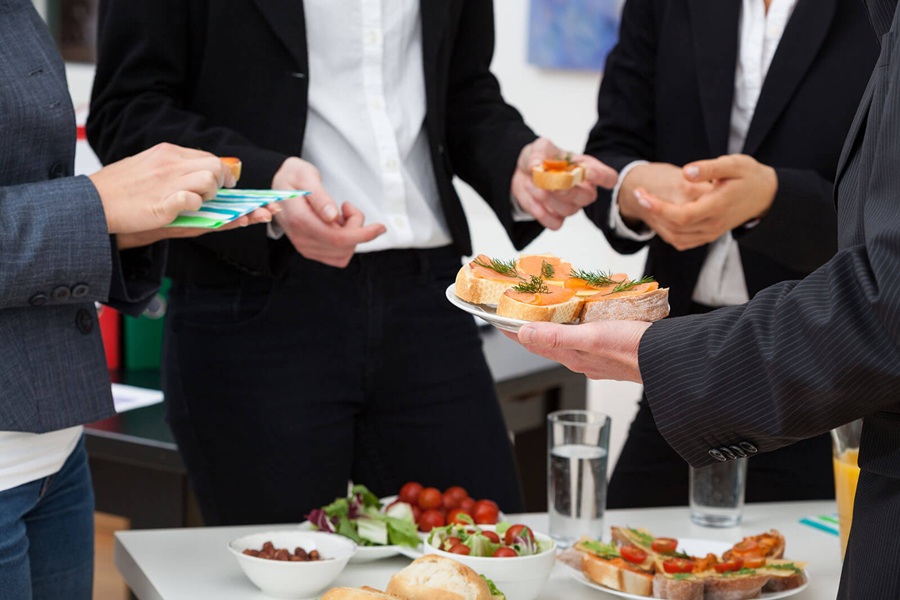
Food has always played a symbolic and practical role in gatherings, especially during times of grief. At funerals or memorial services, sharing a meal or refreshments can provide comfort, create connection, and foster a sense of community among attendees. When words fail to express emotions during such moments, food serves as a universal language of care and support.
What is served—and how it’s served—can set the tone for the event:
– A more formal plated meal might emphasize reflection and reverence. – A casual buffet invites mingling and fosters storytelling among guests. – Light snacks or finger foods encourage easy movement in an informal gathering space.
When planning food service for a funeral or memorial gathering: – Consider the preferences of the deceased if known; their favorite dish could honor their memory in a personal way. – Keep simplicity in mind; grieving families often appreciate meals that require minimal effort yet feel meaningful. – Arrange table setups or serving stations thoughtfully; ensure they allow for both accessibility and smooth traffic flow.
Food matters not just because it nourishes but because it connects people emotionally while honoring shared moments with dignity and care. Thoughtful planning ensures this aspect enhances the experience rather than adding stress during an already challenging time.
Selecting an appropriate type of meal or refreshments for a funeral or memorial service is an important aspect of providing comfort and support to those in attendance. The type of food you serve should reflect not only the preferences and traditions of the deceased but also take into account the setting, guest expectations, and practical considerations. Below are some key factors to guide your decision.
The atmosphere and location of the gathering often dictate what kind of food is most suitable.
– Formal Services: For services held in establishments like banquet halls or religious centers, plated meals or well-organized buffets tend to work best. – Informal Gatherings: In more casual settings, such as someone’s home, finger foods, snacks, or potluck-style offerings are preferable.
Deciding between hot and cold dishes depends on the time of day and available facilities.
– Cold Refreshments: These are ideal for outdoor gatherings or services where kitchen access is limited. Think about trays of cheeses, fruits, crackers, vegetables with dips, deli sandwiches, or salads. – Hot Meals: Stews, casseroles, pasta dishes like lasagna, or hearty soups can be appreciated during colder seasons or evening events when comfort food has a grounding effect.
Individual servings are convenient and reduce potential mess while shared dishes foster a sense of community: – Pre-packaged individual servings (like boxed lunches) are especially helpful in larger gatherings to maintain order. – Shared platters (such as charcuterie boards) allow guests to pick what suits their tastes while creating an inviting table display.
Drinks are just as important as food when helping people feel at ease: – Offer a variety including water (always essential), tea/coffee stations with creamers/sweeteners readily available. – Depending upon personal preference & family tradition offer juices/wine
When planning food service for a funeral or memorial gathering, choosing between a buffet and plated service is an important decision that depends on factors such as the number of attendees, the venue, budget, and the tone of the event. Each option has its advantages and considerations that can help you determine what works best for your specific situation.
| Pros | Cons |
| Wide variety of food options | Requires more space |
| Cost-effective | May result in longer wait times |
| Guests control portion size | Risk of cross-contamination |
| Pros | Cons |
| Elegant presentation | Higher labor costs |
| Controlled portion sizes | Limited menu options |
| Suitable for small venues | Longer preparation time |
Both buffet and plated services have merits depending on your event’s tone and logistics; understanding these variables will help you create an atmosphere that is both respectful and comforting while honoring your loved one’s memory thoughtfully.
When planning food for a funeral or memorial service, accommodating dietary needs and cultural traditions is essential to ensure all attendees feel respected and included. This step demonstrates thoughtfulness and helps create a welcoming environment during an emotional time. Below are practical considerations and strategies for addressing dietary restrictions and honoring cultural norms.
A simple way to identify preferences is by asking the family of the deceased if any specific dietary considerations should be addressed.
To cater effectively to diverse needs: – Use small cards beside each dish to list ingredients/allergens clearly. – Offer a mix of hot/cold options and lighter/heavier fare to appease varying appetites. – Avoid highly spiced items unless they fit cultural expectations; aim for universally comforting flavors.
| Dietary Need/Culture | Example Dishes |
| Gluten-Free | Roasted chicken with vegetables |
| Vegetarian/Vegan | Mixed bean salad |
| Kosher | Bagels with smoked salmon |
| Halal | Grilled lamb kabobs |
Lastly, collaboration with either the bereaved family or professional caterers can make accommodations seamless: – Speak directly with caterers about creating inclusive menus that align with both dietary needs and cultural expectations. – If hosting privately at home without professional assistance, consider potluck-style meals where guests bring dishes suited to their own preferences—just coordinate beforehand so overlap doesn’t occur.
Taking these steps ensures everyone feels considered during an already challenging time while fostering unity through shared remembrance over thoughtfully chosen meals.
Ensuring that the food served at a funeral or memorial service accommodates dietary needs and respects cultural traditions is a vital aspect of planning. These gatherings often bring together individuals from diverse backgrounds, so thoughtful consideration can help create an inclusive and comforting experience.
To accommodate everyone effectively: – Create a mix of dishes that cater to multiple diets. For example: – A fruit platter (vegan/gluten-free) – Grilled chicken skewers (gluten-free/protein-rich) – Mixed green salad with dressing on the side – Clearly label all items to prevent confusion. Use small display cards listing ingredients where applicable. – Serve sauces and dressings separately whenever possible to allow individuals to customize their meals.
| Dish Type | Examples |
| Plant-based | Lentil soup, roasted vegetables, quinoa salad |
| Gluten-free | Grilled fish, rice pilaf, fresh fruit |
| Comfort foods | Mashed potatoes (dairy-free option available), simple soups |
Food is deeply tied to rituals and customs in many cultures. If the memorial service involves communities with specific practices: 1. Research traditional foods: Some cultures have specific dishes associated with mourning ceremonies (e.g., koliva in Greek Orthodox traditions or knishes in Jewish mourning). 2. Work with family members: Collaborate closely with the deceased’s loved ones to understand any unique preferences or cultural requirements. 3. Respect fasting practices: Time meals appropriately if attendees observe fasting rituals (e.g., during Ramadan).
While accommodating diverse needs is important, it’s also essential not to overcomplicate the menu. Aim for balance: – Offer a few well-prepared options rather than an overwhelming number of choices. – Focus on comforting foods that can appeal broadly while still meeting dietary considerations.
Planning ahead by understanding your guests’ needs shows care and thoughtfulness while ensuring everyone feels included during this significant occasion. A little attention to detail—both in terms of individual preferences and cultural sensitivity—can go a long way toward creating an atmosphere of warmth and respect at the gathering.
Ensuring the timing, setup, and flow of food service is seamless during a funeral or memorial gathering can help create a calm and welcoming environment for guests. Thoughtful planning in this area allows people to focus on honoring their loved one and connecting with others rather than worrying about logistical details.
| Section | Items Included | Purpose |
| Beverage Station | Coffee urns, tea kettles, water pitchers | Keeps drinks separate from food |
| Main Food Table | Entrees (buffet trays), sides | Centralized location for meals |
| Dessert Table | Cakes, cookies | Reduces lingering at main table |
| Condiment Station | Sauces, dressings | Prevents crowding at main tables |
By carefully organizing timing and flow while keeping guest comfort in mind, you set a thoughtful tone that allows attendees to focus on remembering their loved one rather than logistical distractions. Proper planning in this regard demonstrates respect both for those grieving and those serving them during such an important occasion.
When planning food service for a funeral or memorial gathering, deciding whether to work with professional caterers or host the event at home is an important consideration. Each option has its advantages, and choosing the right approach depends on factors such as the size of the gathering, available resources, and personal preferences. Below are some practical tips to guide this decision and ensure a seamless food service experience.
Hiring a catering service can relieve much of the stress associated with hosting a large group. Professional caterers bring expertise in food preparation, presentation, and service, allowing you to focus on spending time with attendees.
If you prefer a more intimate setting or have a smaller group of attendees, hosting at home may be a suitable option that allows for personal touches while keeping costs lower.
| Aspect | Catering Services | Hosting At Home |
| Cost | Typically higher due to labor fees | Lower; costs mostly limited to groceries |
| Stress Level | Minimal; professionals handle food prep/service | Moderate; requires managing cooking & logistics |
| Flexibility | High; customizable menus | High; complete control over meal planning |
| Logistics | Caterer handles setup/cleanup | Requires more effort unless delegating tasks |
By evaluating the benefits and challenges of each approach using these tips as guidance, you can select a method that best aligns with your priorities while honoring loved ones meaningfully through shared meals during this difficult time.
 Optimized by Seraphinite Accelerator