Online
Reservation
Integer congue malesuada eros congue varius. Sed malesuada dolor eget velit pretium. Etiam porttitor finibus. Nam suscipit vel ligula at dharetra
Integer congue malesuada eros congue varius. Sed malesuada dolor eget velit pretium. Etiam porttitor finibus. Nam suscipit vel ligula at dharetra

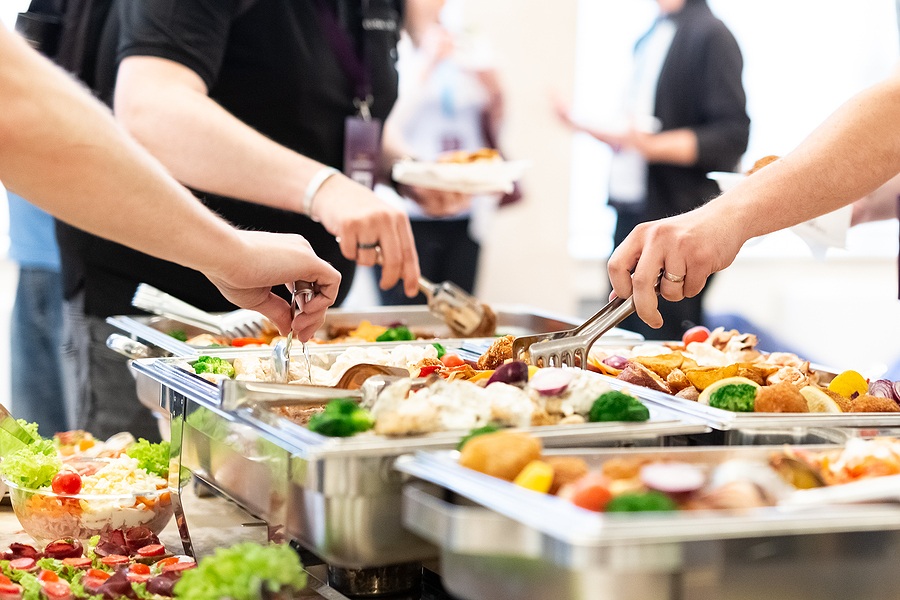
Sharing a meal has long been a universal way to foster human connection, transcending cultures, backgrounds, and personal preferences. In the workplace, this simple yet powerful activity can serve as a catalyst for creating stronger bonds between employees and teams. When coworkers come together over food, the atmosphere shifts from professional to relaxed, opening up opportunities for collaboration and camaraderie in ways that meetings or formal team-building exercises often cannot achieve.
A shared meal allows employees to see each other as people rather than just colleagues or job titles. It provides a space where hierarchy softens and individuals can connect on a personal level. This humanization is vital for building understanding and empathy across teams.
The modern office environment is often fast-paced and task-driven, which leaves little room for organic interactions. Shared meals provide an intentional pause in the day to step away from work pressures.
When thoughtful attention is given to how meals are planned, it becomes an opportunity to promote inclusivity within diverse teams. Food preferences often reflect cultural backgrounds or dietary restrictions; accommodating these not only shows respect but also celebrates diversity.
| Dietary Need | Examples of Options |
| Vegetarian/Vegan | Grilled veggies, plant-based proteins |
| Gluten-Free | Salad bars with gluten-free dressing options |
| Cultural Diversity | Offering dishes representing global cuisines |
These choices underline a commitment to making every team member feel valued and included.
The act of sharing food not only nurtures people physically but also builds emotional bridges within the workplace community—bridges that lead directly toward stronger teamwork and long-lasting professional relationships.
Shared meals in the workplace provide unique opportunities for informal conversations that often wouldn’t occur during structured meetings or work-related activities. These informal moments are essential for building rapport among team members, fostering trust, and creating a more cohesive work environment. When employees feel comfortable engaging in casual, unstructured dialogue, they’re more likely to collaborate effectively on formal tasks later.
Informal conversations help break down hierarchical barriers and foster an atmosphere where everyone feels heard and valued.
Structured office environments often limit the opportunity for spontaneous interactions.
| Scenario | Potential Outcome |
| Sharing family recipes during lunch | Employees learn about each other’s cultural backgrounds |
| Bonding over dietary preferences | Promotes understanding of individual needs |
By creating a welcoming atmosphere around shared meals where informal conversations naturally flourish, organizations can pave the way for stronger interpersonal bonds within their teams—all while boosting collaboration and employee satisfaction over time.
Shared meals can serve as a powerful tool for fostering stronger relationships among coworkers. In a busy workplace, it’s easy for daily tasks, meetings, and deadlines to overshadow the human connections that are essential for a healthy team dynamic. Eating together provides an intentional pause from work, creating opportunities for deeper, more personal interactions.
Incorporating culturally diverse meals allows employees to celebrate their individuality while building a cohesive sense of belonging within the team.
When coworkers gather around a table to eat together:
– Conversations often flow naturally into brainstorming sessions or problem-solving discussions without feeling forced or formalized. – This informal collaboration reinforces bonds between colleagues while also fostering creativity.
Here are a few actionable suggestions for using meals as relationship-building opportunities in your office:
By making mealtime part of your office culture, you create organic opportunities for employees to connect on a deeper level—leading not only to stronger interpersonal relationships but also enhanced collaboration across your organization.
Shared meals in the workplace have a unique ability to foster positivity and strengthen team morale. Food has long been associated with comfort, celebration, and togetherness, making it a natural medium for creating a supportive and uplifting office environment. When approached thoughtfully, meals can become more than just sustenance—they can become a catalyst for enhancing team spirit and boosting employee satisfaction.
Eating together has deep psychological benefits that contribute to improving morale:
Here are some specific ways food contributes directly to cultivating positivity in the workplace:
| Scenario | Food’s Role in Boosting Morale |
| After completing a project | Acts as a reward that acknowledges hard work |
| During busy periods | Offers comfort during times of higher stress |
| New hire welcome | Helps integrate newcomers into the team |
By prioritizing shared meals as part of your workplace culture strategy, you create not just opportunities for connection but also an ongoing source of energy that motivates your team toward collective goals in an authentic way.
Sharing meals in the workplace goes beyond simply eating; it fosters collaboration and builds a stronger sense of team spirit. When colleagues sit down together to share food, whether in a formal setting or during informal gatherings, it creates an environment where cooperation thrives.
When employees gather around the table, traditional workplace hierarchies often fade. Shared meals provide a relaxed atmosphere where managers, team leads, and staff can interact on equal footing.
This fosters mutual respect and encourages collaboration on projects without hesitation or fear of judgment.
In diverse workplaces, people often come from different cultural backgrounds or hold varying viewpoints.
When people appreciate each other’s differences over a meal, they become more likely to collaborate effectively despite contrasting perspectives.
Informal conversations during shared meals often spark innovative ideas and creative problem-solving.
When creativity flows freely among coworkers, collaboration becomes second nature.
| Action | Tips |
| Organize regular team lunches | Schedule monthly or bi-weekly team lunches where everyone is included. |
| Encourage inclusive menus | Opt for varied meal options that cater to dietary preferences (vegan/gluten-free). |
| Use icebreaker activities | Incorporate short games or group discussions during lunch sessions. |
| Rotate seating arrangements | Mix up seating so employees interact with coworkers from different departments or roles. |
Shared meals should not be seen as standalone events but as part of an ongoing strategy for building stronger connections across the team:
By integrating shared meals into the rhythm of office life, businesses can cultivate collaborative energy that extends far beyond lunch hour conversations.
Selecting the right meals for shared office dining is essential to ensure inclusivity, enjoyment, and a sense of togetherness. A well-chosen meal can break down barriers, foster connections, and create a shared experience that strengthens team bonds. Here are some key considerations and practical suggestions for choosing meals that truly bring everyone together.
Food preferences and dietary restrictions vary widely in any team. Ensuring that everyone feels included starts with thoughtful meal selection.
Meals designed for sharing encourage interaction and collaboration during the dining experience.
| Shareable Dishes Ideas | Description |
| Charcuterie Boards | A mix of cheeses, meats, crackers, nuts, and fruits |
| Pizza | Easy-to-share slices with various topping options |
| Dim Sum | Small portions of dumplings and buns |
Show your team you value diversity by incorporating cuisines from different cultures into your shared meals.
This approach not only unites employees but also fosters cultural appreciation within the workplace.
A balance between healthy options and indulgent treats ensures that everyone has something enjoyable on their plate.
Creating a balance ensures both fitness-conscious individuals and those seeking a relaxed treat feel catered to.
Involving your employees in deciding what’s served can significantly boost engagement during shared meals.
This involvement not only makes everyone feel heard but also adds variety to the meal selection process.
By being thoughtful about the types of food offered at office gatherings—ensuring inclusivity while promoting interaction—you can create an environment where meals not only nourish but also connect your team on a deeper level.
Office meals have the potential to be more than just a break in the workday—they can become a cornerstone for fostering stronger workplace relationships and enhancing team dynamics. By making shared meals a regular team-building activity, organizations can create an environment where collaboration, trust, and morale thrive. Here’s how to turn this idea into a meaningful and sustainable workplace tradition.
Consistency is key to making shared meals an integral part of office culture. When employees know that these gatherings will occur regularly, they’re more likely to engage and look forward to them.
Use shared calendars or internal communication tools to schedule these events well in advance so employees can plan accordingly.
To ensure everyone feels comfortable participating, make inclusivity a top priority when organizing office meals:
Inclusivity also extends beyond food; consider hosting these events in common areas or outdoor spaces that encourage open interaction instead of formal meeting rooms.
Shared meals don’t have to stop at just food—adding purposeful activities strengthens bonds among coworkers:
These activities create opportunities for people from different departments or roles to connect over topics not strictly tied to work tasks.
By institutionalizing regular shared meals as team-building activities, organizations also benefit from increased employee engagement, improved morale, and higher retention rates. Employees are more likely to develop personal connections with their colleagues while feeling supported by leadership efforts toward building community within the workplace.