What is Buffet-Style Breakfast?
- Hot dishes like scrambled eggs, bacon, sausages, or pancakes.
- Cold items such as pastries, yogurt parfaits, fruit platters, and cereals.
- Beverages like coffee, tea, juice, and water readily available for self-service.
What is a Plated Breakfast?
A plated breakfast provides each guest with a pre-portioned meal served directly at their table by staff. This style typically offers fewer choices upfront but guarantees consistency in presentation and portions for all attendees.
- A fixed menu might include scrambled eggs with toast, bacon or sausage links on the side, roasted potatoes, and fresh fruit garnish.
- Beverages are usually served personally by waitstaff based on individual preferences.
Plated meals lend an air of formality to events and are often chosen for more structured occasions like corporate meetings or weddings.
Key Differences Between Buffet and Plated Breakfasts
| Aspect | Buffet Breakfast | Plated Breakfast |
| Service Style | Self-service by guests | Waitstaff-served meals |
| Menu Variety | Broad selection; diverse options | Limited pre-selected menu |
| Portion Control | Guests control portions | Standardized portions |
| Guest Flow | Flexible movement | Seated throughout event |
| Ambiance | Informal; relaxed atmosphere | Formal; structured tone |
Understanding these differences lays the groundwork for selecting the right style based on your event’s goals and audience preferences. Throughout this guide, you’ll find detailed pros and cons for both approaches as well as tips for choosing between them effectively depending on your unique needs.
The Benefits of Offering a Buffet Breakfast
Buffet breakfasts have long been a popular choice for events, providing a flexible and interactive dining experience. This format is particularly appealing for larger gatherings, offering guests the opportunity to customize their meals.
Variety and Customization
- Wide Selection: Buffets typically feature diverse options, catering to different dietary preferences, restrictions, and tastes. For example, common choices might include scrambled eggs, pastries, fresh fruit, yogurt, and a variety of protein options like bacon or vegetarian sausages.
- Dietary Accommodation: Guests with specific dietary needs (e. g. , gluten-free or plant-based diets) can assemble meals that suit their requirements without additional hassle.
Efficiency for Large Groups
- Time-Saving: Buffets allow multiple guests to serve themselves simultaneously rather than waiting for plated dishes to be distributed individually. This makes them highly efficient for events with tight schedules or large headcounts.
- Reduced Staffing Needs: Serving food buffet-style requires fewer servers compared to plated breakfasts, which often necessitate dedicated table service staff.
Cost-Effectiveness
- Scalable Costs: Buffets can be more cost-effective since they eliminate the need for precise portion control per guest leftovers can also sometimes be reused appropriately if permitted by health codes.
- Self-Service Model: Because guests serve themselves, you can minimize labor costs while still providing an enjoyable experience.
Social Atmosphere Creation
- Interaction Encouraged: Guests have opportunities to mingle at the buffet line and engage in casual conversations as they make their selections. This setup fosters a more relaxed environment compared to formal table service.
Catering Flexibility
Buffet setups offer flexibility in both presentation and service style:
- Hot food stations (e. g. , omelet or waffle bars) can add an interactive element.
- You can adjust quantities based on expected attendance or refill dishes as needed.
| Feature | Buffet Benefit | Example |
| Menu Options | Broader selection | Continental breakfast paired with hot items |
| Guest Independence | Personal choice | Guests build plates based on hunger & preferences |
| Cost Management | Scalable portions reduce waste | Fewer servers required |
Practical Considerations When Offering Buffets
While buffets are generally flexible and offer several advantages, there are practical points to keep in mind:
- Space Requirements: Ensure adequate space is available at your venue for both serving tables and guest movement.
- Queue Management: Plan the layout carefully to avoid long lines forming at popular items.
- Hygiene Standards: Use sneeze guards and ensure proper sanitation measures are in place during service.
When done thoughtfully, a buffet breakfast provides an engaging dining experience that balances variety and efficiency, a great option for many types of gatherings.
The Benefits of Offering a Buffet Breakfast
Buffet-style breakfast catering offers a range of advantages that make it an appealing choice for many event organizers. Whether planning a corporate gathering, wedding, or casual brunch, buffets create opportunities for flexibility, variety, and efficiency. Below are some distinct benefits of opting for this style of service.
One of the primary advantages of a buffet breakfast is the ability to provide a wide selection of food options within one setup. This ensures guests with different dietary needs and preferences can find something to enjoy.
- Accommodates diverse diets: Buffets can easily include options for vegetarians, vegans, gluten-free attendees, and those with allergies.
- Encourages personalization: Guests can select their preferred portion sizes and mix-and-match dishes according to their tastes.
- Showcases variety: From scrambled eggs to fresh pastries, buffets lend themselves well to showcasing both sweet and savory breakfast staples.
For events with a significant number of attendees, buffets shine in their ability to streamline the dining process without requiring extensive staff support.
- Multiple buffet stations can reduce long lines or bottlenecks during busy times.
- Fewer servers are typically required compared to plated meal service.
Buffet breakfasts naturally foster movement and interaction among guests as they navigate food stations.
- Encourages mingling: Guests often connect while waiting in line or sharing recommendations about available dishes.
- Flexible seating arrangements allow attendees to circulate rather than being confined to fixed seating arrangements.
Buffet breakfasts often present opportunities for cost management without sacrificing quality or presentation.
- Bulk preparation reduces labor costs compared to individually plated meals.
- Leftovers from the buffet may be repurposed more easily than individual portions.
- Allows flexibility in choosing food quantities based on guest count estimates.
| Feature | Buffet Breakfast |
| Variety | Wide range of options |
| Staffing Needs | Minimal servers required |
| Guest Experience | Self-paced; customizable portions |
| Social Interaction | High; encourages mingling |
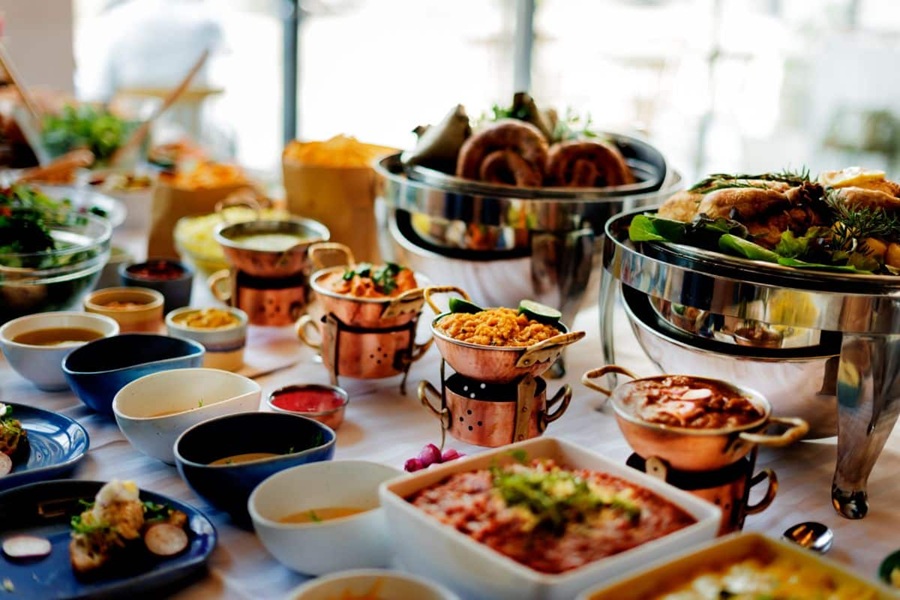
The presentation of a buffet table can act as part of the event décor itself, adding visual interest through colorful dishes and creative displays.
For example:
- A spread featuring tropical fruit platters alongside warm baked goods adds vibrancy.
- Clear signage labeling vegan or gluten-free options enhances both aesthetics and functionality.
By leveraging creativity in layout and design, buffets enhance not just flavor but also atmosphere.
While buffets might not suit every event’s goals or guest expectations (these aspects are covered elsewhere), they remain an excellent option for gatherings seeking flexibility, efficiency, and variety in breakfast service delivery.
The Advantages of a Plated Breakfast
Plated breakfasts offer a unique dining experience that stands out for its elegance, efficiency, and personal touch. When deciding between buffet and plated breakfast options, understanding the benefits of a plated meal can help in making an informed choice. Below are key advantages that highlight why this style of service can elevate any event.
Creates a Sophisticated Atmosphere
- Fine Dining Experience: Plated breakfast service provides guests with a restaurant-like experience, adding an air of sophistication to the meal.
- Attention to Detail: With carefully presented dishes, each plate feels curated, ensuring a memorable impression.
- Professional Service: Guests enjoy personalized attention from staff as meals are delivered directly to their tables.
This level of refinement is especially suitable for formal gatherings, corporate meetings, or upscale weddings where creating a polished environment is essential.
Ensures Portion Control
Plated breakfasts allow for precise control over portion sizes.
- Predictable Costs: With fixed portions, budgeting becomes easier since the amount of food served per person is predetermined.
- Consistent Quality: Each guest receives the same quality and quantity of food without variation, ensuring fairness and satisfaction.
This approach also enables chefs to focus more on quality rather than quantity when preparing dishes.
Offers Streamlined Service
A plated breakfast can make the overall dining process smoother by eliminating potential delays associated with buffets:
- Reduced Wait Times: No need for guests to stand in line at serving stations; instead, meals are brought directly to their seats.
- Efficient Timing: Servers can coordinate meal delivery seamlessly so all guests eat at roughly the same time a key factor for events with tight schedules or speaker sessions.
For time-sensitive events like conferences or workshops, this efficiency ensures everything stays on track.
Customizable Menus Accommodate Specific Needs
Plated meals allow greater flexibility when catering to dietary restrictions or preferences.
- Event planners can work closely with caterers to design menus that include vegetarian, gluten-free, or allergen-sensitive options ahead of time.
- Guests feel cared for when their unique needs are acknowledged through personalized plates tailored just for them.
This level of customization fosters inclusivity and demonstrates thoughtfulness.
Enhances Guest Comfort and Convenience
Seated service limits physical movement during meals a factor appreciated by many attendees who wish to relax rather than navigate buffet lines or juggle plates while mingling:
- Guests remain comfortably seated as they enjoy their meal at a steady pace without feeling rushed.
- Conversation flows more naturally since everyone remains stationary rather than dispersing into different parts of the room.
This makes plated arrangements especially appealing at events where networking or engaging discussions are integral parts of the experience.
| Feature | Buffet Breakfast | Plated Breakfast |
| Atmosphere | Casual | Formal/Sophisticated |
| Portion Control | Less predictable | Precisely managed |
| Wait Times | May involve long lines | Minimal waiting |
| Guest Interaction | Encourages mixing | Focuses on table conversations |
By focusing on these advantages such as portion control, streamlined service, and enhanced guest comfort planners can determine whether a plated breakfast aligns best with their event’s goals and tone.
How to Choose the Best Breakfast Service for Your Event
Selecting the most suitable breakfast service style for your event involves considering several factors, including guest preferences, logistics, and the overall tone of your gathering. Below are some key considerations to help guide your decision-making process.
Guest Preferences
- Determine if your guests value variety over portion control or prefer individual service over self-service.
- Buffets allow guests to mix and match food items based on personal preferences or dietary restrictions.
- Plated meals offer uniform portions but can be customized in advance for specific dietary needs.
Budget Considerations
- Buffets are generally considered more cost-effective as they reduce labor costs (fewer servers are required). However, they might lead to higher food waste since quantities can be difficult to predict.
- Plated breakfasts typically involve higher staff costs due to table service but allow you to control portion sizes more effectively, often reducing wastage.
| Factor | Buffet Style | Plated Breakfast |
| Cost Efficiency | Lower labor cost; potential waste | Higher labor cost; controlled portions |
| Food Variety | Wide range of options | Limited pre-set menu |
| Guest Experience | Flexible dining experience | Formal and structured service |
Venue Layout and Space Constraints
- If your venue has ample space for stations or long tables, a buffet might work well without causing congestion. However, smaller venues may struggle with buffet flow logistics.
- Plated breakfasts require less movement from guests but may demand additional space for servers maneuvering between tables.
Time Management
- Plated meals provide a more predictable timeline since all guests are served simultaneously by staff.
Practical Tips to Make the Right Choice
- Conduct a Guest Survey:For larger events, consider surveying attendees beforehand about their meal service preferences.
- Work Closely with Caterers:Discuss your budget, guest count, and venue layout with catering professionals who can advise on optimal arrangements.
- Consider Hybrid Options:A combination of styles such as offering a buffet for sides while serving main dishes plated can provide the best of both worlds.
- Account for Dietary Needs:Whichever option you choose, ensure all dietary needs (e. g. , vegetarian or gluten-free) are accommodated seamlessly.
By weighing these factors against the unique requirements of your event, you’ll be better equipped to select between buffet-style or plated breakfast services that align with both guest expectations and logistical possibilities while staying within budgetary limits.

 Optimized by Seraphinite Accelerator