Online
Reservation
Integer congue malesuada eros congue varius. Sed malesuada dolor eget velit pretium. Etiam porttitor finibus. Nam suscipit vel ligula at dharetra

Integer congue malesuada eros congue varius. Sed malesuada dolor eget velit pretium. Etiam porttitor finibus. Nam suscipit vel ligula at dharetra
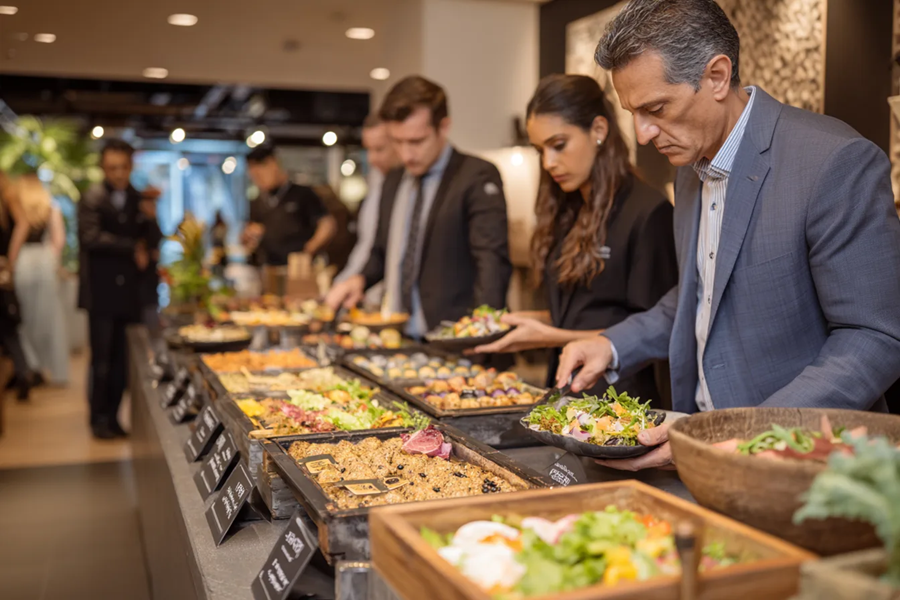
When planning corporate event catering, the first critical step is understanding the type of event you are hosting and identifying your specific catering needs. The nature of the event directly influences every aspect of the catering process, from menu selection to service style and logistical arrangements.
Consider these common types of corporate events and their unique requirements: – Formal Events: Board meetings, award ceremonies, or product launches typically require a more elegant setup with plated meals or upscale buffets. – Casual Events: Team-building activities, workshops, or company picnics might call for simple, crowd-friendly fare such as finger foods or food stations. – Networking Events: These often benefit from options that are easy to eat while standing or mingling, such as canapés or hors d’oeuvres. – Training Sessions or Conferences: Long events may need multiple meal breaks with lighter options in between to keep attendees energized without feeling sluggish.
Understanding the purpose and tone of your event will establish a strong foundation for making informed catering decisions.
To better assess your needs, answer these critical questions: 1. How formal is the occasion?
2. What time of day is the event taking place—breakfast, lunch, dinner, or cocktail hour?
3. How many people will attend?
4. What amenities (tables, chairs, linens) will be required alongside food service?
5. Is there a theme that impacts menu options (e.g., cultural cuisine for a diversity-themed event)?
By answering these questions early on in your planning process, you’ll have greater clarity about what your catering should deliver.
Every corporate event has objectives: building relationships with clients, rewarding employees, fostering team collaboration, etc. The food you serve can reinforce these goals: – Client-Focused Events: Opt for high-end selections that leave a lasting impression. – Employee Celebrations: Include comfort foods with creative twists to engage staff. – Team-Building Events: Choose interactive experiences like DIY taco bars or build-your-own-salad stations to encourage collaboration.
The chosen venue also plays an important role in determining what type of catering fits best: – Does the venue provide kitchen facilities for caterers? – Will outdoor spaces be used that require specialized equipment? – Are there restrictions (e.g., no open flames) impacting food preparation?
By aligning your catering requirements with both the type of event and venue logistics early on in planning stages, you’ll set up your corporate gathering for success—ensuring attendees enjoy not just great food but also an experience tailored perfectly to their expectations.
Start by determining how much your company is willing to spend on catering. This should be based on the overall event budget and take into account factors such as:
– Number of attendees: More guests typically mean higher costs.
– Event duration: A full-day event may require multiple meals, snacks, or beverages, increasing expenses.
– Venue fees and associated costs: Some venues may charge additional fees for external caterers or provide in-house options at a discounted rate.
Cheaper isn’t always better when it comes to corporate catering. Focusing solely on price can lead to compromises in food quality and service standards—elements that directly impact attendee satisfaction. Instead:
– Compare vendors who provide similar services within your price range. – Look for testimonials or reviews highlighting value and reliability. – Ask for sample menus or tasting sessions to assess offerings before committing.
If your budget feels tight but you want to maintain high standards: – Opt for seasonal ingredients; they are often less expensive yet fresh and flavorful. – Choose an efficient service style (e.g., buffet instead of plated) to save both time and costs. – Limit premium items like luxury entrees or specialty beverages but offer one standout option to create an impression.
Catering companies often provide flexibility in pricing if approached professionally: 1. Request bundled packages that include food, beverages, serving staff, and rentals at a discounted rate. 2. Ask about group discounts if hosting recurring corporate events with the same vendor. 3. Discuss off-season pricing if your event doesn’t fall during peak times like holidays.
By taking these steps into account while planning your catering budget, you can ensure that resources are allocated effectively without compromising professional standards or guest experience.
When planning corporate event catering, selecting the right menu is critical to ensuring a positive dining experience for your guests. A well-thought-out menu that aligns with the audience’s tastes, preferences, and requirements can leave a lasting impression and contribute to the success of your event.
Using fresh seasonal ingredients not only enhances flavors but also aligns with sustainable practices. Seasonal menus often feel more thoughtful and high-quality since they showcase ingredients at their peak.
| Season | Ingredients Example | Dish Ideas |
| Spring | Asparagus, peas | Spring vegetable risotto |
| Summer | Tomatoes, berries | Heirloom tomato salad |
| Autumn | Squash, apples | Butternut squash soup |
| Winter | Root vegetables | Roasted parsnip & carrot medley |
If you’re working with a caterer known for specific dishes or specialties (e.g., artisanal desserts or gourmet sliders), consider featuring these items on your menu. Signature offerings can act as conversation starters among attendees.
How food is presented impacts perception as much as taste does. Use elegant plating techniques for plated meals or well-organized displays for buffets. Unique serving vessels like mini mason jars for desserts or wooden boards for appetizers can add sophistication without excessive cost.
By focusing on audience demographics and offering thoughtfully designed options that reflect their preferences while meeting dietary needs, you’ll ensure your corporate catering stands out in both quality and execution.
One of the most critical decisions in corporate event catering is selecting the right service style. The format not only sets the tone for your event but also impacts the guest experience and logistical planning. Each service style—buffet, plated, or food stations—offers distinct advantages and considerations. Here’s an in-depth look at all three options to help you decide which is best for your corporate event.
Buffets are a popular choice for casual or semi-formal corporate events due to their flexibility and variety. They allow guests the freedom to choose their preferred dishes and portion sizes.
Key Benefits:
– Variety: Buffets offer a wide selection of dishes, accommodating diverse tastes and preferences.
– Flexibility: Guests can return for seconds or adjust portions according to their appetite. – Cost-effectiveness: Buffets often require fewer servers compared to plated meals, which can reduce staffing costs.
Considerations:
– Logistical planning: Requires sufficient space for setup and efficient flow of guest traffic.
– Food temperature control: It’s crucial to ensure hot items remain warm and cold items stay fresh throughout service. – Waste management: Buffets can lead to more food waste if not carefully planned.
Plated meals—or sit-down service—are ideal for formal corporate gatherings such as awards dinners, board meetings, or gala events where elegance and structure are key priorities.
Key Benefits:
– Professional feel: Enhances the sophistication of your event with table-side service.
– Precise portioning: Reduces food waste with pre-determined portions for each guest. – Streamlined timeline: This approach follows a structured schedule as courses are served simultaneously to all guests.
Considerations:
– Higher staffing needs: Requires more servers compared to buffets or stations, increasing labor costs. – Limited variety per guest: Typically involves pre-selected menu options with fewer choices during the event. – Event duration impact: Formal plated meals can extend the event timeline compared to other styles.
Food stations provide an interactive experience that works well for networking events, cocktail receptions, or conferences where engagement is key.
Key Benefits:
– Customization options: Guests enjoy personalized dishes prepared on-demand (e.g., pasta bars or carving stations).
– Encourages mingling: Stations encourage movement and interaction among attendees. – Unique appeal: Adds creativity with themed setups like sushi bars or taco stands.
Considerations: – Space requirements: Multiple setups may need significant floor space depending on your venue size. – Coordination complexity: Managing several live prep areas requires seamless organization from caterers. – Wait times at busy spots: Some popular stations may experience longer lines during peak times.
| Service Style | Best For | Key Features | Potential Drawbacks |
| Buffet | Casual/semi-formal events | Variety of options; self-service | Space needed; potential food waste |
| Plated | Formal gatherings | Structured timing; professional feel | Higher costs; limited flexibility |
| Food Stations | Interactive experiences | Customization; encourages mingling | Space/logistical challenges |
When deciding between buffet, plated, or stations: 1. Review your guest list size and demographics—what will suit them best? 2. Evaluate the nature of your event—formal vs informal settings may dictate choices. 3. Assess venue constraints like space availability and kitchen facilities. 4. Align your budget with staffing needs specific to each service style.
By carefully weighing these factors alongside your overall vision for the event experience, you’ll find a catering format that creates lasting impressions while meeting practical needs efficiently.
When planning catering for a corporate event, determining the appropriate service style plays a crucial role in shaping the overall experience. The choice between buffet, plated meals, or food stations depends on several factors such as the event type, guest count, venue layout, and the tone you want to set. Here’s an in-depth look at each option to help guide your decision.
Buffets are a popular choice for corporate events because they offer variety and flexibility. Guests can choose their own portions and explore different dishes at their leisure. This format works well for casual or large-scale gatherings like networking events or employee celebrations.
Advantages of Buffets:
– Variety: Guests can select from a wide range of options accommodating different tastes and dietary restrictions.
– Cost-Effective: Buffets are generally more affordable than plated meals since they require less serving staff.
– Flexible Timing: Guests can eat at their convenience without being tied to a strict schedule.
Challenges to Consider:
– Potential for long lines if many guests head to the buffet at once.
– Requires sufficient space to set up tables and serving stations comfortably.
Plated service is ideal for formal corporate events such as award ceremonies or high-profile dinners where elegance and structure are important. Each guest is served individually at their table with pre-selected dishes.
Advantages of Plated Service:
– Professional Atmosphere: Provides a sophisticated dining experience that aligns well with formal settings.
– Portion Control: Meals are pre-portioned, ensuring consistency in servings.
– Streamlined Flow: Eliminates waiting lines since food is brought directly to guests.
Challenges to Consider:
– More costly due to additional staff needed for table service.
– Limited flexibility as guests must pre-select their meals or stick with preset menus.
Food stations combine elements of buffets and plated meals by offering multiple themed setups where chefs prepare fresh dishes on-site (e.g., pasta bar, carving station). This interactive setup is great for fostering engagement among attendees in mid-sized corporate events like conferences or product launches.
Advantages of Food Stations:
– Customization Options: Guests can build their own dishes tailored to preferences (e.g., vegan tacos or gluten-free pasta).
– Interactive Element: Encourages mingling as guests move around exploring different stations. – Fresh Preparation: Meals prepared fresh on demand enhance quality and appeal.
Challenges to Consider:
– Requires ample space to accommodate multiple stations without overcrowding.
– Typically higher costs compared to other service styles due to setup complexity.
| Factor | Buffet | Plated | Food Stations |
| Formality | Casual | Formal | Semi-formal |
| Guest Interaction | Moderate | Limited | High |
| Cost | Low | High | Medium-to-high |
| Space Requirements | Large | Moderate | Very large |
Selecting the right service style ensures not only that your guests are satisfied but also contributes meaningfully toward achieving your event’s goals and atmosphere while staying within practical constraints like budget and logistics.
Planning the timing, logistics, and setup for a corporate event is a critical step that ensures smooth execution and enhances the overall guest experience. Proper coordination with your catering provider and venue staff minimizes last-minute surprises and keeps the event on schedule. Below are key areas to focus on when thinking about timing and logistics.
The physical layout of your event space plays a significant role in how well your catering service flows. Work closely with the caterer to identify where food stations, buffet tables, or servers will be placed.
| Equipment | Purpose |
| Chafing Dishes | To keep hot foods warm at buffets |
| Beverage Dispensers | For self-service coffee/tea stations |
| Portable Refrigeration | To maintain proper food temperatures |
Discuss these details with your catering provider ahead of time so they bring everything needed for seamless service.
If you’re working with multiple vendors—including decorators, AV teams, or entertainers—ensure they’re aware of the catering schedule. Miscommunication between vendors can lead to unnecessary delays during setup or service.
Some points for vendor coordination include: – Allocating setup times that don’t overlap excessively. – Sharing venue layouts so all vendors understand their designated spaces. – Planning lighting adjustments if ambiance changes are required during meal service.
By addressing these questions upfront, you’ll avoid confusion at the end of an otherwise successful corporate gathering.
Proper attention to timing, logistics, and setup not only helps ensure an efficient operation but also leaves a lasting positive impression on attendees by maintaining professionalism throughout every stage of your event.
When planning a corporate event, selecting the right catering provider can make or break the success of your event. A reliable caterer does more than just provide food—they ensure seamless execution, exceptional service, and an overall positive experience for your attendees. Below are key factors to consider when choosing a dependable corporate catering provider.
Every corporate event is unique, which is why flexibility in menu offerings is crucial:
– Adaptability: Choose a caterer who is willing to customize menus to suit dietary restrictions, cultural preferences, or themed events.
– Sustainability Practices: If sustainability matters to your organization, inquire whether the caterer uses locally sourced ingredients or incorporates eco-friendly practices like reducing food waste.
Throughout the planning process, clear communication is essential:
– Evaluate how promptly they respond to inquiries or emails during initial consultations. A lack of responsiveness early on could indicate challenges later.
– The ability to listen carefully to your requirements while offering expert advice shows professionalism.
An experienced corporate caterer will understand the logistical demands of large-scale events: – They should conduct site visits beforehand to assess kitchen facilities and layout requirements. – Discuss how they handle timing; ensuring meals are served on schedule without compromising quality.
Corporate catering often involves more than just providing food—it’s about creating an overall experience: – Verify whether staff members like waiters/bartenders are included within packages—or billed separately.
 Optimized by Seraphinite Accelerator