Online
Reservation
Integer congue malesuada eros congue varius. Sed malesuada dolor eget velit pretium. Etiam porttitor finibus. Nam suscipit vel ligula at dharetra
Integer congue malesuada eros congue varius. Sed malesuada dolor eget velit pretium. Etiam porttitor finibus. Nam suscipit vel ligula at dharetra

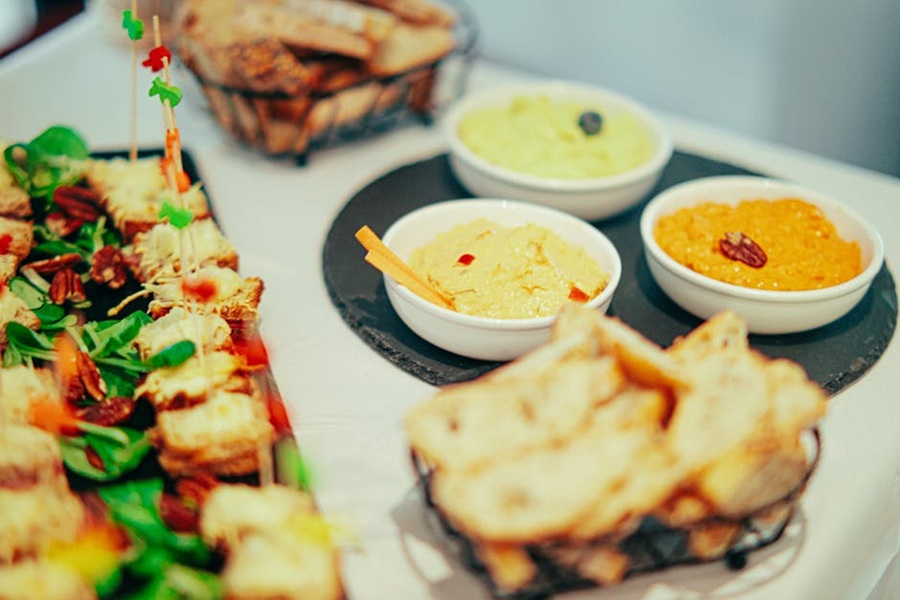
Inclusive catering is more than just a thoughtful gesture—it’s an essential aspect of hosting successful workplace events. In today’s diverse work environments, employees and guests often come from a variety of cultural, religious, and dietary backgrounds. Providing inclusive catering ensures that everyone feels welcomed and valued at the event, fostering a sense of belonging while making it easier for all attendees to participate fully in the occasion.
Workplace events are meant to bring people together, promoting collaboration, team-building, or simply celebrating shared successes. However, failing to consider dietary needs can unintentionally alienate some individuals. For example, someone with severe food allergies or specific preferences may feel overlooked if there are limited options available for them. This can diminish their experience at the event and potentially lead to feelings of exclusion. Inclusive catering avoids these issues by addressing diverse dietary needs proactively.
Additionally, offering a wide range of food options demonstrates your organization’s commitment to equity and inclusivity. It signals that you respect and appreciate employee diversity beyond the workplace itself. As businesses increasingly prioritize inclusivity as part of their core values, catering inclusively becomes an extension of this mission. This attention to detail reflects positively on your company culture and leaves a lasting impression on employees as well as external guests.
From a practical perspective, inclusive catering also reduces potential risks associated with serving food that doesn’t meet certain health or ethical requirements. Proper planning ensures guests with allergies or intolerances can enjoy their meal safely without worry, creating peace of mind for both attendees and hosts.
Investing time into curating an inclusive menu also enhances attendee satisfaction. People remember events not just for their purpose but also for how they felt during them—and food is often one of the highlights that stands out afterward. When everyone has delicious choices tailored to their preferences or restrictions, it adds to the overall positive experience.
Ultimately, inclusive catering isn’t just about providing sustenance; it’s about ensuring every attendee feels seen and respected at your event. When done thoughtfully, it creates an environment where connections flourish effortlessly around the dining table—something every workplace should aspire toward achieving through its events.
Creating a balanced menu for guests with diverse dietary needs requires thoughtfulness, creativity, and flexibility. A well-planned catering menu not only accommodates various restrictions but also ensures that every guest feels included and satisfied. The key is to strike a harmony between flavors, textures, and nutritional variety while offering sufficient options for differing preferences.
Understanding your guest demographics beforehand is essential. Start by gathering information about any dietary restrictions or preferences ahead of your event—whether through RSVPs or anonymous surveys. This step allows you to craft a menu that reflects the specific needs of your attendees rather than making generalized assumptions.
A balanced menu begins with variety. Incorporate dishes that cater to omnivores, vegetarians, vegans, gluten-free diners, and those with allergies or other restrictions. For instance, consider offering both plant-based and meat-based protein sources in separate dishes so guests can choose according to their requirements. Complement these options with an assortment of side dishes that avoid common allergens like nuts or dairy while incorporating fresh vegetables, whole grains, and legumes.
Flavor pairing is crucial when designing a menu that appeals to different groups. It’s important to feature bold yet universally appealing flavors without relying too much on heavy spices or niche ingredients that may alienate certain guests. Think Mediterranean-inspired spreads with hummus and roasted vegetables paired with pita bread (or gluten-free alternatives) or an Asian-style stir-fry station where sauces can be customized based on individual preferences.
Presentation can make all the difference when showcasing a diverse spread. Use creative plating techniques or serving arrangements such as buffet stations categorized by dietary type—like a vegan station featuring jackfruit tacos alongside another section focused on lean proteins like grilled chicken skewers. This setup helps ensure that everyone feels acknowledged without cross-contaminating ingredients between dishes.
Finally, balance extends beyond just food variety; beverages should also reflect inclusivity. Ensure non-alcoholic options are available alongside traditional offerings for events serving alcohol, taking care to include choices like fresh fruit-infused waters or herbal iced teas.
By thoughtfully curating meals rooted in diversity while maintaining balance in flavor and nutrition profiles, you can provide an enjoyable dining experience tailored uniquely to all your guests’ needs—a goal at the heart of inclusive catering practices for modern events.
Creating a balanced menu that appeals to diverse dietary preferences is an essential step in inclusive catering. When planning for mixed dietary needs, it’s vital to ensure that all guests—regardless of their restrictions or preferences—can enjoy satisfying, nutritious, and delicious meal options. A balanced menu doesn’t just focus on availability but ensures variety, flavor profiles, and thoughtful preparation for every attendee.
A key element of this process is to think about the menu holistically. Start by identifying the primary categories of dishes you’ll need: appetizers, main courses, sides, and desserts. Within each category, aim for a mix that accommodates different diets while maintaining cohesion in flavors and presentation.
For appetizers, consider options that highlight fresh ingredients and minimize allergens. Crudité platters served with hummus or dairy-free dips are universally appealing choices. You might also include finger foods like rice-paper vegetable rolls or bruschetta with gluten-free bread alternatives to ensure accessibility.
When it comes to main courses, balance is achieved by offering variety while avoiding overcomplication in preparation. For example, one hearty vegan dish like roasted vegetable lasagna with cashew cream can pair well alongside grilled chicken thighs or baked salmon for meat-eaters. Including a grain bowl station allows guests to personalize their meals by adding proteins such as tofu cubes for vegans or shredded beef for other diners.
Side dishes should focus on simplicity and inclusivity while complementing the main course options. Roasted seasonal vegetables offer a satisfying option free from common allergens like gluten and dairy; quinoa-based salads with fresh herbs provide both texture and nutritional density while being naturally gluten-free.
Desserts often pose the greatest challenge when building an inclusive menu because they frequently rely on ingredients like flour and dairy. However, this can easily be addressed by including items such as coconut-milk panna cotta sweetened with agave syrup or almond-flour brownies that appeal broadly without sacrificing flavor.
Keep cultural diversity in mind throughout your planning process as well. Offering dishes inspired by global cuisines provides an opportunity to surprise guests with unexpected flavors while meeting dietary needs. For instance, Middle Eastern-inspired spreads featuring falafel paired with tahini dressing add protein-packed plant-based options alongside meat kebabs marinated in traditional spices.
Another cornerstone of balance is ensuring there’s no sense of hierarchy between the options presented—guests shouldn’t feel that vegetarian or allergen-free meals are an afterthought compared to their meat-based counterparts. Equal care should go into presentation and quality across all offerings so no one feels excluded from enjoying the occasion fully.
Finally, always prioritize ingredient quality when building your menu; fresh produce enhances flavors while contributing positively toward nutritional value across all types of dishes. With a thoughtful approach to balancing diverse preferences through careful planning and creative execution, everyone at your event can leave feeling satisfied without compromising their individual needs or tastes.
Catering to mixed dietary needs means ensuring that everyone at the table feels valued and included, regardless of their eating preferences or restrictions. When planning protein options for a diverse group, it’s important to provide variety while maintaining balance between plant-based choices and traditional meat offerings. Proteins are often the centerpiece of a meal, so thoughtful preparation and creativity can elevate the dining experience.
Vegetarian and vegan guests will appreciate dishes centered around plant-based proteins that don’t feel like an afterthought. Ingredients such as lentils, chickpeas, tofu, tempeh, and beans are versatile enough to create flavorful dishes with wide appeal. For example: – Lentil Shepherd’s Pie: A hearty dish where lentils are simmered in a rich tomato-based sauce with vegetables and topped with creamy mashed potatoes. – Grilled Portobello Mushrooms: Marinated portobellos can serve as a robust main course or even replace burgers. – Tofu Stir-Fry: Cubes of tofu sautéed with a medley of vegetables in savory sauces like soy-ginger or garlic sesame.
For vegan options, steer clear of dairy or egg-based binding agents. Instead, use alternatives like aquafaba (chickpea water) in baked goods or nutritional yeast for cheesy flavor. These additions ensure inclusivity without compromising taste.
While many guests may prefer classic meat-based dishes, offering these alongside plant-based proteins ensures everyone has something satisfying to enjoy. Consider dishes that incorporate lean meats but remain simple enough not to overshadow other menu items: – Herb-Crusted Chicken: A lighter option prepared with fresh herbs for flavor without excessive fats. – Braised Short Ribs: Slow-cooked beef ribs paired with roasted root vegetables provide depth and warmth. – Grilled Salmon Fillets: This omega-rich protein is ideal for pescatarians but can also be served alongside vegan sides to create balanced plates for all diners.
To further encourage inclusiveness among omnivores and vegetarians alike, consider hybrid dishes—like grain bowls—that allow guests to customize their toppings by choosing between grilled chicken strips or marinated tempeh.
Mixed platters that feature both plant-based proteins and meats on the same spread give guests flexibility while fostering conversation over shared meals. A Mediterranean-inspired platter could include falafel balls alongside lamb kofta skewers with roasted veggies and hummus. Similarly, an Asian fusion spread might pair miso-glazed salmon with edamame-stuffed dumplings.
When serving mixed platters, ensure that vegetarian items are clearly separated from meat products to respect cross-contamination concerns or personal preferences. Clear labeling adds a thoughtful touch here as well.
Presentation matters when catering for mixed dietary needs. Highlighting proteins—whether they’re seared tofu steaks or tender beef medallions—can make each guest feel they’re receiving equal attention in meal design. Garnishes like fresh herbs or edible flowers enhance visual appeal while keeping things inclusive across dietary boundaries.
With careful consideration of diverse preferences and creative preparation of protein sources, you can ensure every guest leaves your event satisfied without sacrificing variety or quality in your offerings.
Catering to gluten-free and dairy-free needs requires a thoughtful approach, as these dietary restrictions are increasingly common in both personal and professional settings. By understanding the nuances of these requirements, you can create a menu that satisfies without compromising flavor or presentation. The key is to focus on natural, unprocessed ingredients while offering dishes that feel inclusive and indulgent.
Gluten is a protein found primarily in wheat, barley, rye, and related grains. For individuals with celiac disease or gluten sensitivity, even trace amounts of this protein can cause discomfort or serious health issues. When planning a gluten-free menu, ensure all ingredients are truly free from cross-contamination during preparation. Popular substitutes like rice flour, almond flour, and oat flour (certified gluten-free) can provide excellent bases for baked goods or sauces.
Some naturally gluten-free options include: – Fresh fruits and vegetables – Proteins like fish, chicken, beef, tofu, and legumes – Grains such as quinoa, buckwheat, amaranth, and millet – Dairy products (for those not avoiding dairy)
Dairy restrictions often stem from lactose intolerance or allergies to milk proteins. Offering dairy-free alternatives ensures guests don’t feel excluded from the dining experience. Swap traditional dairy products with options like almond milk, coconut milk, cashew cream, or oat-based alternatives while maintaining texture and richness in recipes.
For example: – Use coconut yogurt in parfaits paired with fresh fruit. – Create creamy soups using blended cashews or potatoes instead of cream. – Offer vegan cheeses made from nuts for charcuterie boards.
To accommodate both gluten-free and dairy-free guests simultaneously during events: – Serve fresh vegetable platters with hummus or guacamole as dips. – Offer rice paper rolls stuffed with vegetables and proteins like shrimp or tofu. – Prepare roasted sweet potato rounds topped with avocado mash.
Main courses should offer hearty options that leave everyone satisfied. A few ideas include: – Grilled salmon served over quinoa salad dressed with a tangy citrus vinaigrette. – Stuffed peppers filled with seasoned lentils and vegetables baked to perfection. – Zucchini noodles tossed in a pesto made from olive oil, basil leaves, garlic cloves (without cheese).
These entrées are not only nourishing but also visually appealing — ensuring they’re the centerpiece of any meal.
Desserts are often where dietary restrictions feel most limiting. However, there’s no shortage of creative solutions for sweet treats: – Flourless chocolate cake made with high-quality cocoa powder. – Coconut milk panna cotta topped with fresh berries. – Almond flour cookies sweetened naturally with honey or maple syrup.
When done well, these desserts allow everyone at the table to indulge without compromise.
Ensuring your gluten-free and dairy-free options are equally flavorful as traditional dishes not only demonstrates thoughtful hospitality but also sets the tone for an inclusive dining experience. Emphasize variety — offering choices — so all your guests feel seen regardless of their dietary needs. With careful planning and attention to detail during preparation processes (like cross-contamination prevention), your event menu will effortlessly accommodate all attendees while showcasing delicious diversity at its finest.
Effective food labeling is an essential aspect of catering for mixed dietary needs. When guests arrive at your event, understanding which dishes align with their dietary preferences or restrictions should be effortless. Clear labeling not only helps avoid confusion but also ensures that all attendees feel welcomed and cared for. Proper labeling communicates professionalism while reducing the risk of accidental consumption of allergens or restricted foods.
When naming dishes on your menu or buffet cards, be as descriptive as possible. Instead of simply labeling an item “Salad,” opt for something more specific like “Quinoa Salad with Roasted Vegetables (Vegan, Gluten-Free).” This approach immediately informs guests about the ingredients and suitability for different diets without them needing to ask.
For events where dietary restrictions are a concern, it’s critical to list potential allergens clearly. Incorporate labels such as “Contains Nuts,” “Dairy-Free,” or “Gluten-Free.” This applies not only to printed menus but also to physical signs next to food items on the buffet table or serving stations. Using universally recognized symbols can further simplify communication—for example, a wheat stalk crossed out for gluten-free options or a green leaf symbol for vegan meals.
A color-coded system can make it even easier for guests to identify their options at a glance. For instance: – Green labels could indicate vegan choices. – Yellow labels might signify vegetarian dishes that contain dairy or eggs. – Blue tags could identify gluten-free items. This system is particularly helpful when dealing with large groups, as it reduces the need for detailed explanations and speeds up decision-making during meal service.
While labeling is crucial, keeping food organized with separate stations can enhance clarity further. For example, you might designate one station exclusively for plant-based dishes and another for allergen-friendly meals such as nut-, dairy-, or gluten-free selections. Label these stations clearly so that guests know where to find what they need without sifting through every option.
Incorporating technology into your event’s catering offering is another forward-thinking way to improve clarity around food choices. QR codes placed on tables or near serving areas can link guests to detailed digital menus containing all relevant ingredient lists and allergen information. This solution accommodates tech-savvy attendees while ensuring you provide thorough details without overwhelming physical menus.
Clear signage works best when paired with knowledgeable staff who understand the menu thoroughly and can answer any questions about ingredients, preparation methods, and cross-contamination prevention. Take time before the event to train your servers so they feel equipped to assist guests confidently.
By taking these steps toward clear food labeling, you demonstrate care for every individual’s needs at your event while fostering an inclusive dining experience that leaves no guest feeling overlooked or excluded.
Creating a memorable dining experience for everyone at an event with mixed dietary needs requires thoughtful planning, creativity, and attention to detail. Food is not just sustenance; it’s a way to connect people, spark conversations, and leave a lasting impression. By carefully curating the dining experience, you can ensure that every guest feels included and appreciated.
A key step in making every guest feel seen is designing the space where food is served with accessibility in mind. Consider laid-out serving stations that are easy to navigate even during busy moments. Buffets work well for events aiming to cater to multiple dietary preferences because they allow guests to select from a variety of options according to their specific needs or cravings. However, it’s crucial that each station is clearly labeled and creatively presented so that guests aren’t overwhelmed or confused while selecting their meals.
The presentation of food can elevate the entire experience. Use vibrant colors in your dishes by incorporating fresh seasonal produce, such as golden beets, tri-colored carrots, or jewel-toned berries for desserts. Mixed dietary menus often create opportunities for diverse cuisines to shine—Mediterranean mezze platters with hummus and baba ghanoush sit beautifully alongside gluten-free flatbreads, while Asian-inspired rice paper rolls filled with fresh herbs offer both vegan and gluten-free options that are visually striking.
Another important aspect of creating an inclusive dining experience is fostering interaction through food. Family-style service can encourage conversation as guests pass shared platters around the table. Similarly, live stations where chefs prepare dishes on the spot—such as customizable pasta bowls (with gluten-free and dairy-free options available) or hand-rolled sushi bars—can add an element of entertainment while ensuring everyone has access to something tailored to their preferences.
Don’t overlook beverages when striving for inclusivity in catering experiences. Offer non-alcoholic drink options such as infused sparkling waters or mocktail creations featuring fresh herbs like basil or mint alongside alcoholic offerings so no one feels excluded. Desserts also deserve special attention; having an assortment of treats—including dairy-free gelato or flourless chocolate cakes—ensures those with restrictions don’t miss out on sweet finales.
Above all else, maintain clear communication throughout the event-planning process about what will be offered so guests feel confident navigating their choices. When diners leave not only satisfied but also feeling cared for through your effort toward inclusivity, you’ve succeeded in crafting something far more meaningful than a meal: you’ve created an experience they’ll remember warmly long after leaving the table.