Online
Reservation
Integer congue malesuada eros congue varius. Sed malesuada dolor eget velit pretium. Etiam porttitor finibus. Nam suscipit vel ligula at dharetra
Integer congue malesuada eros congue varius. Sed malesuada dolor eget velit pretium. Etiam porttitor finibus. Nam suscipit vel ligula at dharetra

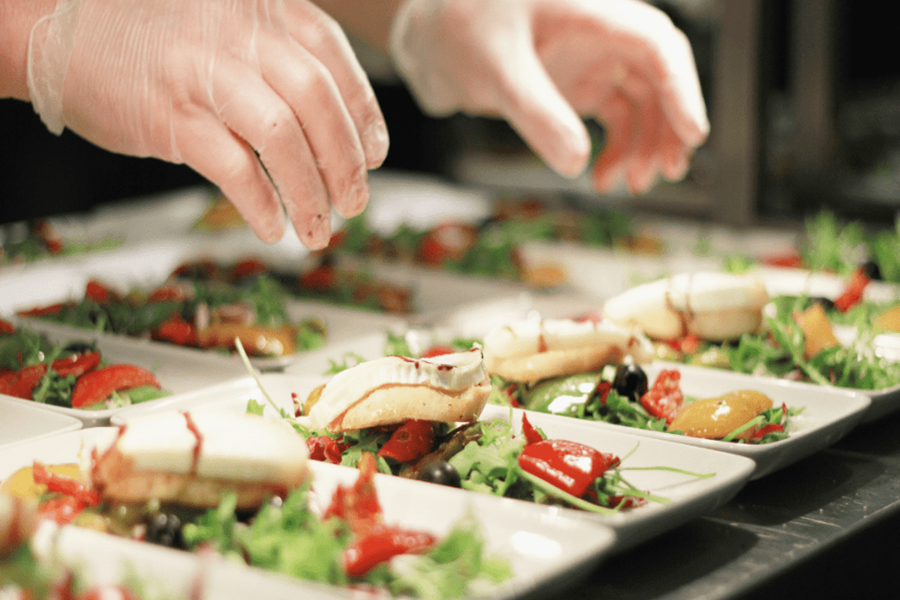
Accurate portion planning forms the backbone of any successful catering experience, particularly in an office setting. When planning food for workplace events, getting the quantities right is crucial for several reasons, ranging from avoiding food shortages to minimizing waste. Understanding these dynamics ensures your catering efforts are efficient, appreciated by attendees, and cost-effective.
One primary reason accurate portioning is important is to ensure that everyone attending the event has enough to eat. Office gatherings often include individuals with varying appetites and dietary preferences. Proper portion planning takes these differences into account so that no one feels left out or unsatisfied by the meal options. It also allows you to accommodate specific dietary restrictions such as vegetarian, vegan, or gluten-free needs without overcommitting resources.
Another critical consideration is avoiding food waste. Ordering too much food can lead to excess leftovers that may end up discarded if they cannot be stored properly or distributed after the event. Over-ordering not only wastes money but also contributes to broader environmental concerns by increasing food waste—a pressing global issue today.
Cost control is a further incentive for precise planning. Catering budgets can quickly spiral out of control if portions are overestimated or if unnecessary extras are ordered in bulk without proper forethought. By carefully calculating portions based on headcounts, meal types (e.g., buffet versus plated service), and event duration, you can keep costs under control while ensuring every guest enjoys their meal.
Accurate portion planning also impacts attendee satisfaction and perceptions of professionalism. An event running out of refreshments suggests poor organization and leaves attendees feeling underwhelmed or even frustrated. On the other hand, an office gathering with just the right amount of high-quality food reflects positively on those who arranged it and enhances overall morale.
Achieving this balance requires taking stock of factors such as headcount accuracy, menu variety, serving size norms for each dish type, and even time of day—since appetites can differ significantly between breakfast meetings and afternoon gatherings.
Additionally, cultural expectations surrounding meals should be considered when organizing office catering events in diverse workplaces. Some employees may bring different perceptions about what constitutes a “sufficient” serving size based on their backgrounds or personal habits around meals.
By prioritizing accurate portion planning through careful calculations and informed decision-making processes, you not only create a well-organized dining experience but also demonstrate respect for your colleagues’ needs as well as wider sustainability goals in catering practices. This proactive approach will make your workplace events memorable for all the right reasons while helping minimize unnecessary stress behind the scenes during preparation stages.
Catering for an office event is far more nuanced than simply placing an order based on the number of attendees. Understanding the factors that influence food quantities is essential to ensure a successful and well-received gathering that avoids both shortages and unnecessary waste. By taking these variables into account, you can fine-tune your catering strategy to suit the occasion’s unique needs.
The timing of your office event significantly impacts how much food will be consumed. Morning meetings or breakfast gatherings typically require lighter options such as pastries, fruit, or yogurt, whereas lunchtime events demand more substantial portions to satisfy hunger. Evening gatherings may involve heartier meals or appetizers that lean towards social dining. Furthermore, a short meeting may require only light refreshments, while extended events may need a combination of meals and snacks to keep energy levels sustained.
Not all office events are created equal. A formal corporate seminar may call for plated meals or structured buffets with balanced portions, while a casual team-building session might be more fitting for finger foods or snack platters. Networking events often see attendees grazing rather than sitting down for full meals, requiring smaller individual servings but a wider variety of dishes.
Understanding who will be attending plays a key role in determining portion sizes and menu choices. A younger workforce might gravitate toward trendy, bold flavors or plant-based options, while more diverse groups might require accommodating dietary restrictions such as vegetarian, vegan, gluten-free, or kosher preferences. Cultural backgrounds can also influence taste preferences; offering dishes that resonate with your audience shows thoughtfulness in planning.
If your office gathering involves physically active components — think team sports days or company retreats — people are likely to have larger appetites compared to those attending seated presentations or brainstorming sessions. Adjust portion sizes accordingly when high-energy activities are expected before meals.
Offering too many options can dilute how much food each person consumes from any single dish. Conversely, limiting variety too much risks leaving some guests without appealing choices. Striking the right balance between variety and focused offerings is critical to avoid over-ordering certain items while ensuring no one leaves hungry.
Don’t overlook the influence of seasonality on appetite and menu preferences when calculating portions. During colder months, comfort foods like pasta dishes, stews, or soups tend to be consumed in larger quantities as people seek warmth in their meals. In summer months or warmer climates, lighter fare such as salads and grilled dishes typically suffice as portions tend to decrease slightly when temperatures rise.
Carefully evaluating these factors allows you to plan catering quantities with precision while creating an enjoyable dining experience tailored specifically for your office event’s dynamics. Not only will this avoid running out of food — which could reflect poorly on organization efforts — but it also mitigates waste by ensuring excess food doesn’t go unused unnecessarily.
Selecting the right portion sizes for main courses is a critical element of catering an office event. This step ensures that everyone has enough to eat without leading to significant food waste or additional costs. Striking this balance requires understanding the type of event you’re hosting, the preferences of your team, and how the main course fits into the broader menu.
When planning for main courses, consider factors like the time of day, the duration of the event, and whether the meal will be served buffet-style or plated. For instance, lunchtime events tend to have smaller portions compared to dinner gatherings as people generally prefer lighter meals during work hours.
The choice of cuisine also plays a role in determining portion sizes. Hearty dishes such as pasta-based entrees or casseroles may require smaller servings per person compared to leaner options like grilled fish or chicken paired with vegetables. If you’re offering multiple protein choices (e.g., chicken, beef, or vegetarian), you can slightly reduce portion sizes for each option since guests are likely to sample more than one.
As a rough guideline:
– For meat-based entrees like chicken breast, steak, or fish fillets, plan approximately 5-7 ounces per person when served alongside sides and salads.
– Vegetarian mains such as lasagna or vegetable curries should be calculated at around 8 ounces per person since they often act as both protein and starch components in meals.
– Mixed dishes like stir-fries or grain bowls are best measured by volume—roughly 1–1.5 cups per guest is sufficient depending on accompanying items.
It’s also important to accommodate dietary restrictions when planning portions for main courses. Offering vegan and gluten-free options ensures all attendees feel included while reducing last-minute catering complications.
For buffet-style meals where attendees serve themselves, expect slightly higher consumption rates than plated servings due to guests taking larger portions than intended. To account for this tendency while maintaining control over waste and costs:
– Provide serving utensils that encourage appropriate portion sizes (e.g., smaller tongs for proteins).
– Arrange food stations thoughtfully to prevent overloading plates early in the line; placing lighter fare first encourages balanced portions.
Lastly, consider communicating with your caterer if you’re working with one—they often have insights based on past events and can help recommend ideal quantities based on your headcount and menu selections. Keeping these considerations in mind will not only satisfy your team but also prevent any awkward shortages or excesses at your next office gathering.
Sides, salads, and desserts are essential components of any catered office event. They not only complement the main course but also add variety and balance to the meal. Properly estimating the right quantities for these items requires careful consideration of your team’s preferences, dietary restrictions, and the nature of the gathering. Overestimating can lead to unnecessary waste, while underestimating can leave your guests unsatisfied. Here’s a detailed guide to help you strike the perfect balance.
When considering portions for side dishes, think about their role in the overall meal. Sides are typically meant to accompany main courses rather than act as standalone items. Popular options like roasted vegetables, mashed potatoes, rice pilaf, or bread rolls should be planned in smaller portions compared to mains since they’re paired with other components.
For standard office events lasting a couple of hours with lunch or dinner service, plan on approximately one serving of each side per person. For example:
– Grains like rice or quinoa: Around 4-6 ounces per person is ideal.
– Vegetables: About 3-5 ounces per guest will usually suffice if paired with multiple sides. Opt for seasonal choices or crowd favorites such as grilled zucchini or steamed broccoli to maximize appeal.
Consider providing at least two to three different side dish options so that there’s enough variety without overwhelming your attendees with choices.
Salads are a versatile addition that can cater both to light eaters and those looking for something fresh alongside heavier offerings. Depending on whether you’re offering salads as an appetizer or part of the main course selection, portion sizes may vary slightly.
For green salads (think Caesar salad or mixed greens): Aim for about 1 cup per person if it’s served as an accompaniment or 1.5 cups if intended as a primary option for some guests (vegetarian eaters often rely on this).
If you’re serving heartier composed salads such as potato salad, pasta salad, or coleslaw: Plan around 4-5 ounces per guest—these tend to be denser and more filling compared to leafy counterparts.
Desserts bring a sense of closure and indulgence to any meal gathering. Since not everyone will choose dessert at an office setting (especially during working hours), aim for quality over quantity when deciding how much dessert catering is necessary.
For individual treats like cookies, cupcakes, or brownies: Plan one piece per person but consider adding extras (10-15% more) depending on group size since these tend to be popular among larger crowds.
If offering shared desserts like pies or cakes: A standard-sized cake usually serves about 12-16 slices while pies average around 6-8 slices each depending on how they are cut. Estimate one slice per guest but adjust based on who might skip dessert entirely versus those who’ll return for seconds.
When planning sides and desserts specifically—don’t forget dietary requirements! Offering gluten-free bread rolls alongside regular ones or including dairy-free dessert options ensures inclusivity without alienating anyone from enjoying their meal fully.
Additionally consider labeling all dishes clearly so attendees know what’s safe based on allergies/preferences—this small effort goes a long way in demonstrating thoughtfulness toward everyone involved.
Ultimately catering success hinges partly upon achieving harmony between mains/sides/desserts rather than focusing singularly on any one food type alone during calculations; thoughtful distribution ensures everyone leaves feeling satisfied yet avoids excess leftovers clogging post-event cleanups unnecessarily
Beverage planning is a crucial aspect of catering for office events, yet it’s often overlooked or underestimated. Proper beverage selection and portioning contribute significantly to the overall success of your event. Not only do beverages keep your guests hydrated, but they also help create a comfortable and welcoming atmosphere. Whether it’s a casual team lunch or a formal corporate gathering, understanding how much to provide and what types of drinks to include can make all the difference.
Also account for dietary restrictions and cultural considerations when choosing beverages. Offering an inclusive variety ensures everyone feels welcome.
Remember that having some surplus is better than falling short, especially with crowd favorites like coffee or sparkling water.
Properly planned beverage catering enhances not just hydration but also overall guest satisfaction at workplace gatherings by accommodating diverse preferences seamlessly without unnecessary waste creation—one sip at a time!
Effective portion planning is not just about ensuring everyone has enough to eat; it’s also a powerful strategy for minimizing both food waste and unnecessary costs. Whether you’re organizing a casual office lunch or a formal corporate event, using a portion guide can help streamline your catering process in multiple ways.
One of the biggest challenges of catering is striking the balance between having enough food for all attendees while avoiding excessive leftovers. Over-ordering not only leads to wasted food but also contributes to higher costs and logistical headaches when disposing of unused items. A well-structured portion guide takes guesswork out of the equation, offering clear recommendations on how much food is appropriate for each individual based on factors like meal type, dietary preferences, and event duration.
For instance, an average adult typically consumes about 6-8 ounces of protein for a main course. Understanding this baseline allows you to order the right quantity without overindulging. Similarly, knowing that salads should account for roughly 1 cup per person ensures you don’t end up with trays of uneaten greens at the end of the day. By sticking closely to these guidelines, you not only satisfy your guests but also contribute to sustainable practices by reducing waste.
Catering costs can easily spiral out of control without careful planning. Over-ordering by even 10-15% can significantly impact your budget when scaled up for larger office events or gatherings. Using a portion guide helps prevent unnecessary expenses by aligning ingredient purchases and preparation quantities with actual consumption patterns.
Small changes can lead to big savings when guided by data-driven portions. For example, instead of overloading on multiple dessert options in large quantities, you may opt for smaller assortments served in bite-sized portions—appealing yet cost-effective.
Beyond financial advantages, using a portion guide is an eco-conscious choice that aligns with modern sustainability goals in the workplace. Streamlining food orders reduces strain on resources such as packaging materials and energy used in preparation and transportation processes—key contributors to environmental degradation within the catering industry.
By incorporating precise planning tools like portion guides into your catering workflow, it’s possible to strike a harmonious balance between satisfying guests’ appetites without overspending or contributing unnecessarily to landfill issues associated with food waste. Warmly informing caterers about these benefits during consultations can foster shared responsibility toward cost-efficiency and environmental stewardship—creating long-term value for both your organization and its partners.
A well-thought-out portion guide is more than just a tool for determining how much food to order—it’s a smart strategy for ensuring efficiency, minimizing waste, and managing costs in office catering. Whether you’re planning a small team lunch or a large corporate event, understanding how to use portion guides effectively can transform the catering experience for both the organizers and attendees.
Food waste is one of the most common challenges in catering. Overestimating portions often results in leftover food that goes uneaten and ultimately discarded. However, underestimating portions can leave attendees hungry and dissatisfied. A portion guide provides precise recommendations based on the number of people attending, the meal type (e.g., lunch vs. dinner), and other factors such as dietary preferences or event length. This level of detail ensures you strike the right balance without over-ordering or falling short.
For example, if an office event consists of 50 people and includes both vegetarians and non-vegetarians, portion guidelines help allocate appropriate amounts for both groups while factoring in additional elements like sides and desserts. The result? Less excess food piling up at the end of your event while still keeping everyone satisfied.
Catering costs can add up quickly when ordering blindly or making last-minute adjustments due to poor planning. By relying on portion guides tailored to workplace gatherings, organizers can confidently stick to their budget because they know exactly how much food is required. From main courses to beverages, these guides help streamline every decision.
Instead of ordering “extra” just in case—a costly habit—portion guidelines allow you to calculate quantities that align with actual attendee needs. For instance, knowing that a single serving of pasta typically ranges between 4-6 ounces per person prevents unnecessary overspending on excessive portions.
Another benefit of using portion guides is their adaptability for various dietary requirements within an office setting. Modern workplaces often have diverse teams with different dietary restrictions such as gluten-free needs, vegan preferences, or low-carb diets. Portion guides take these factors into account by offering recommendations for inclusive menu planning.
For example: – For vegan options: Plan protein-rich items like lentil salads or tofu-based dishes in sufficient quantities while balancing them with non-vegan alternatives. – For gluten-free requirements: Ensure sides such as rice or roasted vegetables are available in suitable amounts alongside bread-based options.
This thoughtful approach not only ensures inclusivity but also avoids unnecessary expenses on items that may not suit everyone’s preferences.
To fully leverage a portion guide’s potential during your next catered event: 1. Confirm guest attendance numbers early—this allows accurate adjustments to portions based on confirmed RSVPs rather than guesswork. 2. Work closely with caterers who are experienced in corporate events—they often have pre-designed templates based on standard serving sizes. 3. Consider offering buffet-style meals when possible; this allows guests to choose their preferred amounts without creating individual waste from pre-portioned plates.
By keeping these strategies in mind, you’ll find yourself better equipped to provide an enjoyable dining experience that values sustainability and financial responsibility alike—all while making catering logistics easier than ever before!