Online
Reservation
Integer congue malesuada eros congue varius. Sed malesuada dolor eget velit pretium. Etiam porttitor finibus. Nam suscipit vel ligula at dharetra

Integer congue malesuada eros congue varius. Sed malesuada dolor eget velit pretium. Etiam porttitor finibus. Nam suscipit vel ligula at dharetra

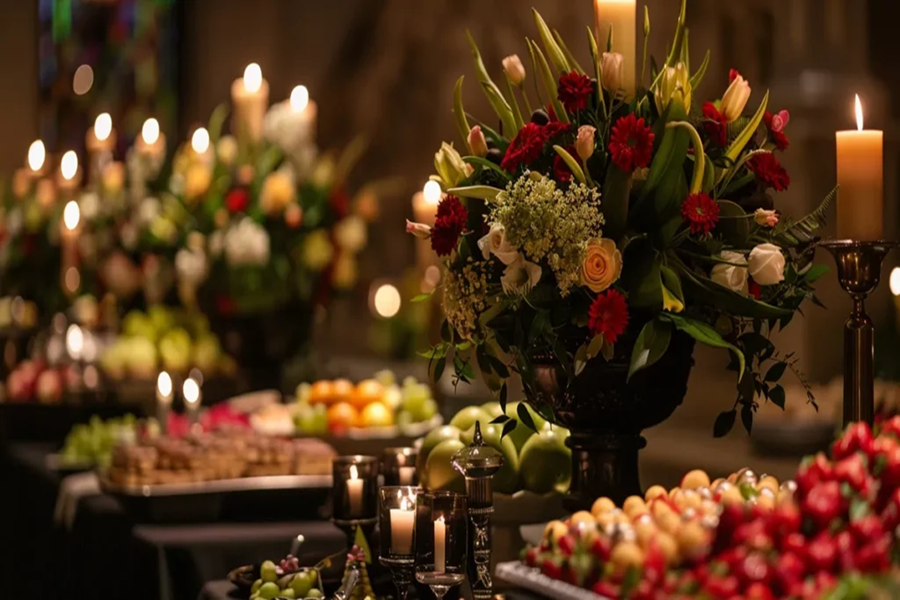
Food has held a deep, symbolic significance across cultures for centuries, and its role in funeral traditions is no exception. Sharing a meal or refreshments after a funeral service offers much more than just sustenance. It becomes a meaningful way to bring people together during an emotionally challenging time.
After the formalities of the service, the gathering over food provides an opportunity for family, friends, and loved ones to connect with one another on a personal level. This communal act fosters healing by creating moments of togetherness where stories can be shared and memories of the deceased can be honored. For many, these conversations serve as an essential step in processing grief and finding solace within their network of support.
Culturally, food often acts as a bridge between tradition and comfort. In some families, specific dishes or recipes are prepared that hold sentimental value or are tied to the person being remembered. These meals carry a sense of familiarity for those attending and offer emotional comfort through flavors associated with family gatherings or nostalgic moments.
The simple act of eating together also helps alleviate physical stress during what is often a long day filled with emotional strain. Guests may not have had time to focus on their own well-being amidst travel arrangements or other obligations tied to attending the service. Providing food ensures that everyone present is cared for while creating an atmosphere where they can feel at ease.
Moreover, food has the power to communicate where words may fail. When someone walks into a room filled with thoughtfully prepared dishes, it sends an unspoken message: “You are welcome here.” This gesture can mean the world to guests who may feel vulnerable or unsure about how best to express their emotions during such sensitive occasions.
From small bites served at an intimate gathering to elaborate spreads reflecting cultural traditions, every choice made in regard to food serves as part of creating a meaningful experience post-funeral. It’s not just about nourishment but about fostering connection and crafting memories that help celebrate life even in moments of loss.
Food has long been a central element in gatherings of all types, and funerals are no exception. Sharing a meal or refreshments after a service offers an opportunity for people to connect, support one another, and reflect on shared memories of the person who has passed. In moments of grief, food becomes more than sustenance; it becomes a gesture of comfort and togetherness.
After a funeral service, emotions often run high. For many, sitting down over food provides both physical nourishment and emotional relief. The act of eating together fosters conversations that can be healing. People may share stories about the deceased, laugh over fond memories, or simply find solace in being surrounded by others who understand their loss.
Cultural traditions also highlight the importance of food in rituals surrounding death. From baked goods brought by neighbors to elaborate meals organized by family members, food serves as both a symbolic gesture and practical necessity. These customs often emphasize generosity and hospitality—a way of honoring not only the person who has passed but also those who have gathered to mourn.
Beyond its emotional significance, food also helps keep guests comfortable during what can be a long day filled with ceremonies and travel logistics. A well-prepared spread ensures that everyone—from close family members to distant acquaintances—feels cared for during this challenging time.
Ultimately, providing food at a funeral gathering is about creating an atmosphere of care and connection. It’s not just about feeding people; it’s about acknowledging their presence and their role in the grieving process. The choices made regarding the menu or setup don’t need to be extravagant but should reflect thoughtfulness toward the needs of those attending.
In these moments where words often fail us, offering something as simple yet meaningful as a meal can speak volumes about love, community, and remembrance.
Selecting the appropriate catering style is a crucial aspect of funeral catering. It not only reflects the tone of the gathering but also ensures that guests feel comfortable and cared for during a sensitive time. The choice often depends on factors like the number of attendees, venue constraints, cultural or religious customs, and the preferences of the family. Understanding these considerations is vital to create an atmosphere that feels both respectful and accommodating.
One of the most traditional approaches to funeral catering is a buffet-style service. This option offers flexibility, as it allows guests to serve themselves and choose from an array of dishes. Buffets are ideal for gatherings where guests may arrive at different times or where space is limited since people can eat at their own pace without feeling rushed. A well-organized buffet can include a mix of hot and cold dishes such as casseroles, seasonal salads, sandwiches, and comforting baked goods.
For smaller or more intimate funerals, plated meals may be more appropriate. This sit-down dining style allows for a more structured experience where food is served directly to seated guests. Plated meals often lend a formal touch to the gathering while giving attendees more time to connect with one another without interruptions. When opting for this style, coordinating with caterers to ensure timely service and efficient meal preparation is key.
Another popular option is finger foods or hors d’oeuvres passed around by servers or set up in stations throughout the venue. This style works particularly well for informal memorials or gatherings held in homes rather than traditional venues. Foods like bite-sized quiches, tea sandwiches, cheese platters with fruit pairings, mini desserts, and savory pastries encourage mingling while offering simple yet satisfying choices.
For families seeking cultural authenticity in their tribute, serving traditional dishes tied to their heritage can add meaning to the occasion. For instance, Mediterranean spreads featuring olives and hummus may honor Middle Eastern traditions while Asian-inspired buffets might include sushi rolls or rice dishes as part of their menu.
Lastly, beverages should not be overlooked when planning funeral catering styles. Whether it’s offering tea and coffee alongside water stations or providing wine service during dinner gatherings if appropriate to customs—beverages complement food offerings while fostering moments of shared reflection among guests.
By thoughtfully choosing a catering style suited to both practical needs and personal preferences, families can create an experience that honors their loved one’s memory in ways that bring comfort to those in attendance.
Planning the right amount of food and beverages for a funeral gathering can feel challenging, especially during an emotionally charged time. Striking the right balance—neither too little nor excessive—is important not just to minimize waste, but also to ensure your guests feel cared for. Estimating quantities effectively requires careful thought and preparation, taking into account several factors such as the number of attendees, the timing of the event, and the type of menu being served.
The starting point is always the guest list. A clear sense of how many people are expected to attend provides a foundation for deciding on portion sizes and overall quantities. If attendance is uncertain or difficult to predict, it’s wise to err on the side of caution by preparing slightly more than you think you’ll need. This way, guests won’t be left without options if more people arrive than anticipated.
The timing of the funeral service and its proximity to meal times also play a key role in determining food needs. For a mid-morning gathering where lunch isn’t expected, lighter fare like pastries, fruit platters, or finger foods may suffice. On the other hand, an afternoon or evening reception might call for a more substantial offering that includes entrees or heartier dishes paired with sides and desserts. The nature of your catering style—whether it’s buffet service or plated meals—will further influence how much food is required.
Beverages are equally important but often underestimated when planning for such events. An assortment of non-alcoholic options like tea, coffee, water, and soft drinks is generally preferred over alcoholic choices at funerals. As a guideline, plan for each guest to consume about two drinks during shorter gatherings or up to four if it’s an extended event.
Another consideration is serving sizes based on dietary customs and preferences common among your attendees. For example, some cultures emphasize larger portions while others may focus on small tastings. Working with your caterer can help clarify these details—they often have experience in scaling menus appropriately based on group size and cultural expectations.
If leftovers are something you’d rather avoid altogether, coordinating with local charities or shelters could present an opportunity to donate excess food responsibly—a gesture that aligns with honoring someone’s memory through acts of kindness.
Lastly—and perhaps most importantly—don’t let this part overwhelm you. Hiring professional caterers who specialize in funeral services can take much of the guesswork out of estimating quantities accurately while ensuring all attendees feel thoughtfully accommodated throughout their visit.
Planning the menu for a funeral catering event requires thoughtful consideration, especially when aiming to accommodate various dietary needs and restrictions. With family, friends, and guests coming together during an emotional time, ensuring that everyone feels considered and cared for can help create a more inclusive and compassionate environment.
Modern gatherings bring together people with diverse dietary habits. Some may follow specific diets due to health conditions such as gluten intolerance or lactose sensitivity. Others may avoid certain foods for cultural or religious reasons, while some guests might choose vegetarianism or veganism as a lifestyle. Understanding these nuances is essential to delivering a respectful dining experience.
The first step in addressing dietary restrictions is communication. When planning the funeral gathering, it’s helpful to ask the family if they are aware of any specific needs among attendees. While it may not be possible to anticipate every preference, having an idea of common requirements allows you to plan more effectively. For instance, offering plant-based options alongside traditional fare ensures that vegetarians or those eating vegan have meaningful choices without feeling overlooked.
When working with caterers, emphasize the importance of clear labeling on all dishes. This practice is crucial for those managing allergies or intolerances—clear signs indicating “contains nuts,” “gluten-free,” or “dairy-free” will save guests from potentially uncomfortable situations while demonstrating your attentiveness as a host.
A skilled catering team can guide you through creating choices that respect traditions while remaining inclusive of modern dietary trends. Many professional services now specialize in preparing allergen-conscious menus without compromising flavor or presentation.
Lastly, remember that inclusivity extends beyond just food—it’s also about creating an atmosphere where no one feels left out due to personal preferences or limitations. By proactively addressing these considerations during planning, you ensure all guests feel valued and respected during this significant gathering.
Planning the food for a funeral gathering can feel overwhelming during an already emotional time. Turning to professional catering services is one of the most effective ways to ease the burden of organizing this aspect of the event while ensuring everything runs smoothly. By entrusting this responsibility to experienced professionals, families can focus on being present with their loved ones and providing support where it’s most needed.
One major benefit of professional catering is the expertise these services bring in handling events with sensitivity and efficiency. Many catering companies are familiar with funeral gatherings and understand their unique atmosphere. They can assist in creating a menu that aligns not just with practical considerations like dietary needs, but also with any cultural or traditional elements important to honoring the deceased.
Professional caterers also take care of logistical details, which significantly reduces stress. From setting up food stations or buffet tables to arranging staff for serving if needed, they handle every step. This ensures that family members don’t have to worry about coordinating deliveries, reheating dishes, or cleaning up afterward. Instead, they can trust that everything will be seamlessly managed behind the scenes.
Another way professional caterers ease stress is by offering tailored packages that suit different group sizes and budgets. Whether it’s a small, intimate gathering or a larger service requiring more elaborate arrangements, skilled caterers guide families through choosing options that balance costs with quality. Many even provide clear estimates upfront, eliminating financial surprises at a time when clarity and simplicity are deeply valued.
Catering companies often have solutions for dietary restrictions and preferences as well, which might otherwise require significant time and effort from those planning the event. By including vegan dishes, gluten-free options, or allergen-sensitive alternatives on their menu without sacrificing flavor or presentation quality, professional services ensure all guests feel cared for.
Additionally, working with caterers who specialize in compassionate service can help create an atmosphere where guests feel nurtured during an emotional day. The care put into crafting meals and beverages reflects respect for everyone attending while helping foster connection over shared food—a comforting tradition across many cultures.
For families considering catered assistance but unsure where to begin, seeking recommendations through local funeral homes or community networks can be a helpful first step. Personal referrals often point toward companies known for reliability and professionalism in sensitive situations like funerals.
By enlisting professional catering services as part of funeral planning efforts, families gain peace of mind knowing this significant component will be thoughtfully handled—leaving them free to focus on what truly matters: supporting one another and remembering their loved one meaningfully amidst moments of sorrow and remembrance.
In the context of a funeral, creating a warm and welcoming environment is about offering comfort and fostering connection during an emotionally challenging time. Food plays an essential role in this, as it brings people together and provides a sense of normalcy amidst grief. When planning the catering for such an occasion, focusing on the atmosphere is just as important as choosing the menu.
A warm environment starts with thoughtful preparation. Consider the venue: it should feel inviting and accommodating, whether it’s held in someone’s home, a community hall, or at a more formal location. Pay attention to details like lighting—soft, warm tones can create a calming effect—and seating arrangements that encourage conversation and shared moments.
The tone of the gathering should reflect sensitivity toward guests’ emotions while also honoring the memory of the departed. Incorporating elements that were meaningful to your loved one can add a personal touch. For example, if they had favorite types of flowers or specific colors they loved, consider weaving these into centerpieces or table settings.
The way food is served also contributes to setting the atmosphere. A buffet-style arrangement tends to feel casual and allows guests to move around freely, promoting interaction among attendees. On the other hand, plated meals may suit more intimate gatherings where formality is desired. Regardless of how it’s served, presenting food with care can make guests feel valued; neatly arranged platters or dishes set out thoughtfully show attention to detail and respect for those attending.
Welcoming environments also account for personal touches in service delivery. Having friendly catering staff who engage politely with guests adds warmth to the experience without feeling intrusive. You may also want to include signage by certain dishes—a simple handwritten note labeling vegan options or describing key ingredients not only informs but shows attentiveness to dietary needs.
Background music is another subtle but effective way of enhancing comfort without overwhelming emotions. Gentle instrumental tracks or songs that were significant to your loved one can create an ambiance that encourages quiet reflection and shared memories.
Finally, small gestures of hospitality often make a lasting impression. Providing hot beverages like tea or coffee alongside desserts can make space for informal conversation after meals are eaten. If you opt for keepsakes like bookmarks featuring comforting quotes or small floral tokens for guests to take home, these details convey care long after the event ends.
Ultimately, creating a warm environment isn’t just about decor or logistics—it’s about ensuring every guest feels supported during their time of mourning while celebrating life in ways both unique and meaningful. Thoughtful choices in catering and presentation may seem small but go far in crafting an experience marked by compassion and connection during difficult moments.
 Optimized by Seraphinite Accelerator