Online
Reservation
Integer congue malesuada eros congue varius. Sed malesuada dolor eget velit pretium. Etiam porttitor finibus. Nam suscipit vel ligula at dharetra

Integer congue malesuada eros congue varius. Sed malesuada dolor eget velit pretium. Etiam porttitor finibus. Nam suscipit vel ligula at dharetra

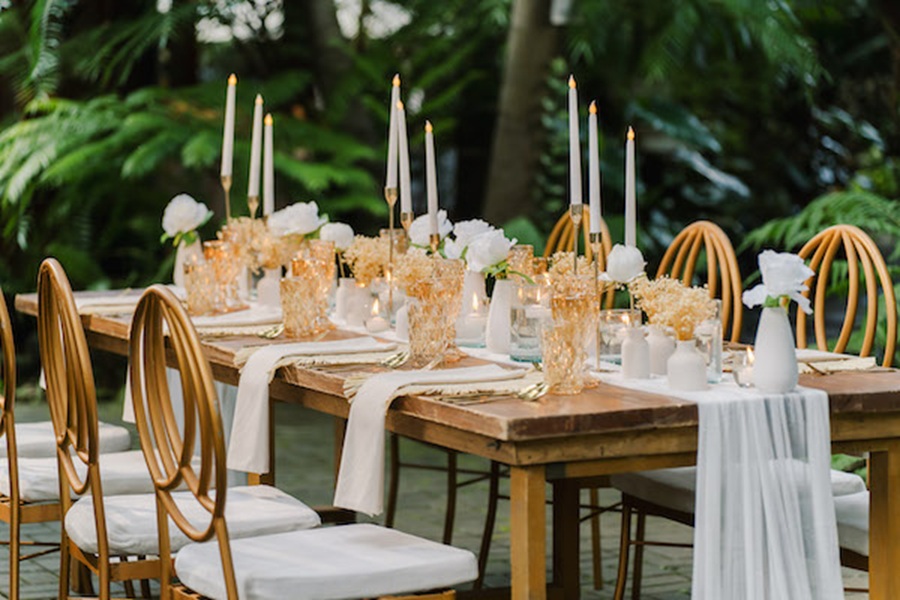
The number of guests attending your wedding directly impacts catering expenses. More guests mean more food, drinks, staff, and table settings. It’s essential to have an accurate guest list to get precise cost estimates from caterers.
The service style you select for your wedding will heavily influence the overall price. A plated dinner generally costs more than buffet-style service due to the additional staff required for serving multiple courses directly to guests. On the other hand, family-style or food stations might offer a middle ground in terms of cost and experience.
The type of cuisine and specific dishes on your menu can significantly impact pricing. High-end ingredients such as lobster, filet mignon, or imported delicacies will naturally increase costs compared to simpler options like chicken or pasta dishes. Dietary accommodations for vegan, gluten-free, or allergen-specific meals can also add to pricing due to special preparations.
Alcohol is often one of the most expensive components of wedding catering. Opting for an open bar versus serving only wine and beer creates a noticeable difference in cost. Signature cocktails or champagne toasts may also add extra expenses.
Certain venues have exclusive agreements with specific caterers or charge additional fees if you choose an outside catering company. Others may impose corkage fees if you bring your own alcohol or cake-cutting fees if you work with an external baker.
Weddings held during peak seasons (spring and summer) often come with higher catering prices due to increased demand for services. Additionally, weekend evening weddings may be more expensive than weekday daytime celebrations.
The number of staff members required for proper service affects labor costs for your event. A luxury sit-down meal necessitates waiters, bartenders, kitchen staff, and potentially even specialty roles like sommeliers or sushi chefs.
Catering companies often provide rentals such as plates, glassware, utensils, linens, tables, chairs, and even kitchen equipment if needed onsite at your venue. Higher-end rentals featuring premium designs or materials will naturally raise costs compared to standard options.
Creating personalized menu items unique to your love story or theme can be delightful but might incur additional charges for recipe development and specialized preparation techniques.
By understanding these influencing factors upfront when consulting caterers during the planning process couples can better anticipate expenses while tailoring choices within their preferred budget range without compromising on quality experiences shared together alongside guests celebrating their union on this memorable day.

Wedding catering costs can vary significantly, influenced by a wide range of factors. Understanding these elements will help you anticipate and plan your budget effectively while ensuring a memorable dining experience for your guests.
One of the primary factors is the number of guests. Naturally, serving more people increases costs, as caterers must provide more food, beverages, and staff to accommodate larger crowds. However, some caterers may offer discounts per person as the guest count rises due to economies of scale.
The menu style and complexity also play a crucial role. A formal sit-down dinner with multiple courses tends to be more expensive than buffet-style meals or casual food stations. Ingredients impact pricing too; locally sourced or seasonal items may save money versus imported or specialty ingredients like truffle-based dishes or exotic seafood.
Another key consideration is the type of cuisine you choose. Different cuisines come with varying preparation costs. For instance, an elegant French menu often involves intricate techniques and premium ingredients compared to simpler options like barbecue or family-style Italian meals.
Service style directly affects catering costs as well. Full-service catering, which includes plated service and table-side assistance from waitstaff, requires more labor compared to self-serve buffets or food trucks. Staffing fees can substantially increase depending on how many servers are needed for your preferred level of service.
Don’t overlook venue requirements, which can subtly influence catering expenses. Some venues require couples to use their in-house caterer, whose pricing might differ greatly from other external options in the market. Additionally, outdoor venues may demand extra rentals for kitchens or equipment that aren’t typically needed at traditional banquet halls.
Beverages are another expense that significantly impacts your budget. An open bar with top-shelf liquor will cost much more than offering beer and wine only or having a cash bar where guests purchase drinks themselves.
Finally, additional services like cake cutting fees, champagne toasts, hors d’oeuvres during cocktail hour, late-night snack stations, and dietary accommodations (such as vegan or gluten-free options) all add up quickly. These extras enhance guest experience but should be carefully weighed against your overall budget.
Understanding these influencing factors allows you to prioritize what matters most for your wedding day while making informed choices about where to splurge versus where to save. Working closely with your caterer can also help you identify areas where adjustments can be made without sacrificing quality or guest satisfaction—ensuring both an unforgettable day and a manageable budget.
When planning a wedding with approximately 100 guests, catering is likely to be one of your largest expenses. The cost of catering for this number of people will vary depending on key factors such as the menu type, service style, geographic location, and level of customization. Understanding these variables can help you make informed decisions that align with your budget.
The menu you select plays a significant role in determining the overall cost. A three-course plated dinner typically costs more than a buffet or family-style meal due to increased staffing needs and presentation details. If you opt for premium ingredients such as fresh seafood, organic produce, or an elaborate dessert station, expect the per-person price to rise accordingly. Dietary accommodations—such as vegetarian, vegan, or gluten-free options—may also influence pricing, particularly if they require specialty ingredients.
The way the food is served can also impact catering costs for 100 guests. A seated dinner with table service usually comes at a higher price point because it requires more staff to ensure timely serving and clearing of plates. On the other hand, buffet setups tend to be more cost-effective since fewer servers are required. However, keep in mind that buffets often call for larger quantities of food to account for guests serving themselves.
For those seeking an interactive dining experience without overspending, food stations or cocktail-style receptions can provide a middle ground that balances variety and budget considerations.
Where you’re hosting your wedding directly affects how much you’ll spend on catering services. Urban areas or high-demand wedding destinations typically see higher rates due to increased labor and ingredient costs compared to smaller towns or less popular regions. Researching local vendors early in the planning process can give you an idea of average pricing in your area.
These estimates generally include food preparation and service but may not cover extras like rentals (tablescapes and linens), gratuities for staff members such as servers or bartenders, or late-night snack additions.
Planning catering for a wedding with 150 guests requires careful attention to detail, as the size of your guest list directly impacts the overall cost. Several factors contribute to the final price, including the type of food, style of service, and regional pricing differences. Understanding these elements will help you create a realistic budget while ensuring your guests enjoy an unforgettable dining experience.
Type of Food and Menu Choices
The type of cuisine you choose is one of the most significant cost factors when catering for 150 people. A more traditional buffet featuring simple comfort foods such as roasted chicken, seasonal salads, and pasta dishes will typically be less expensive than a plated dinner with premium entrée options like filet mignon or lobster tails. Similarly, incorporating specialty menus—such as gourmet vegan or gluten-free options—can increase costs due to higher ingredient prices and additional preparation efforts required by your caterer.
Additionally, offering appetizers or hors d’oeuvres during cocktail hour can add to your overall expenditure. Passed appetizers often require extra staff to serve them, whereas stationary appetizer displays may be a more budget-friendly choice.
Service Style Impact on Costs
The way food is served is another factor influencing catering expenses for 150 guests. Buffet-style service tends to be more affordable because it requires fewer servers compared to plated service or family-style meals. Plated dinners not only demand more staff but also come with higher costs due to portion control measures and artistic plating presentations.
If you’re considering interactive food stations—such as pasta bars or taco stations—they can provide guests with memorable experiences but may also result in higher staffing fees and equipment rentals.
Bar Service Considerations
Offering an open bar alongside your meal can significantly increase costs when planning for 150 attendees. If you’re on a tighter budget, you might consider alternatives such as a limited bar (serving beer and wine only) or a cash bar where guests cover their own alcoholic beverages. Non-alcoholic beverage stations featuring infused waters, coffee, and tea are also popular additions that won’t break the bank.
Venue-Specific Pricing Variations
Where you host your wedding will also influence catering expenses for 150 people. Venues in metropolitan areas or high-demand destinations often charge higher rates due to increased labor costs and ingredient pricing in those locations. On the other hand, hosting a wedding in smaller towns or rural areas may offer more affordable catering options without compromising on quality.
Estimating Costs Per Guest
As of projections for 2026 trends, catering costs per guest can range from $50-$200 depending on menu choices and service style. This means feeding 150 guests could cost anywhere from $7,500 at the low end (for simpler buffets) up to $30,000 or more for elaborate multi-course meals paired with premium bar services.
By clearly defining priorities—whether it’s providing gourmet dishes or focusing on creative presentation—you’ll be better equipped to work within your budget while delivering an exceptional dining experience for all 150 attendees at your wedding celebration. Proper planning ensures that both quality and enjoyment are seamlessly integrated into this essential part of your big day.
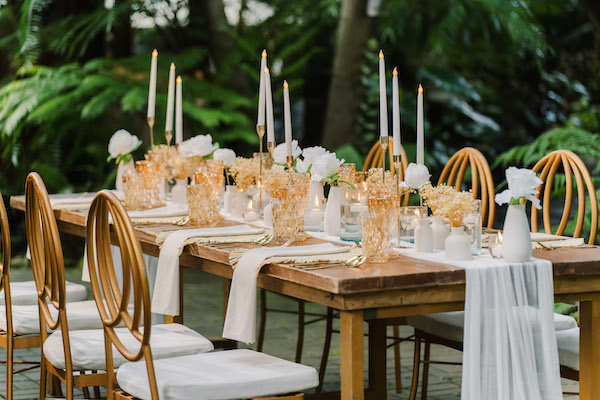
Planning catering for a wedding with 200 guests is a major undertaking, and the cost can vary significantly depending on several factors such as the menu style, venue, and level of service you choose. To provide an accurate estimate, it’s important to consider all elements that contribute to the overall price. For a wedding of this scale, careful planning and budgeting are crucial to ensure you meet your financial goals while providing an enjoyable experience for everyone.
The type of menu you select will have one of the greatest impacts on your overall catering costs. A buffet-style meal may be more cost-effective compared to plated dinners where each guest is served individually. Buffets typically require fewer servers and can allow for more flexible menu options that accommodate diverse dietary needs. On the other hand, if you opt for a multi-course plated dinner featuring gourmet entrées or specialty items like lobster or filet mignon, expect costs to rise considerably. Cocktail-style receptions with smaller appetizers may also be an option but often require higher quantities of hors d’oeuvres per guest.
For weddings in 2026, industry estimates suggest average catering costs per person could range from $50 to $200 or more depending on factors such as location, vendor reputation, and complexity of the menu. For 200 guests, this translates into a potential total cost between $10,000 and $40,000. However, additional fees like gratuities (often around 15–20%), service charges (typically 18–25%), or delivery fees might also apply depending on your caterer’s policies.
If drinks are included as part of your catering package, this can significantly increase total expenses. An open bar with premium spirits will add substantially more than offering beer and wine alone or going with a cash bar where guests pay for their own drinks. Couples looking to manage costs might consider offering a signature cocktail alongside basic drink options.
Catering costs aren’t limited to just food and drinks—they also include staffing requirements like servers, bartenders, or even chefs if live food stations are involved. Rentals such as dishware, glassware, linens, and serving equipment may not always be included in base catering quotes and should be factored into the budget separately if needed.
By taking time during the planning process to understand what drives catering expenses at large weddings like those with 200 guests—while exploring creative options—you’ll be better positioned to strike the right balance between celebration quality and financial responsibility.
 Optimized by Seraphinite Accelerator