Online
Reservation
Integer congue malesuada eros congue varius. Sed malesuada dolor eget velit pretium. Etiam porttitor finibus. Nam suscipit vel ligula at dharetra

Integer congue malesuada eros congue varius. Sed malesuada dolor eget velit pretium. Etiam porttitor finibus. Nam suscipit vel ligula at dharetra

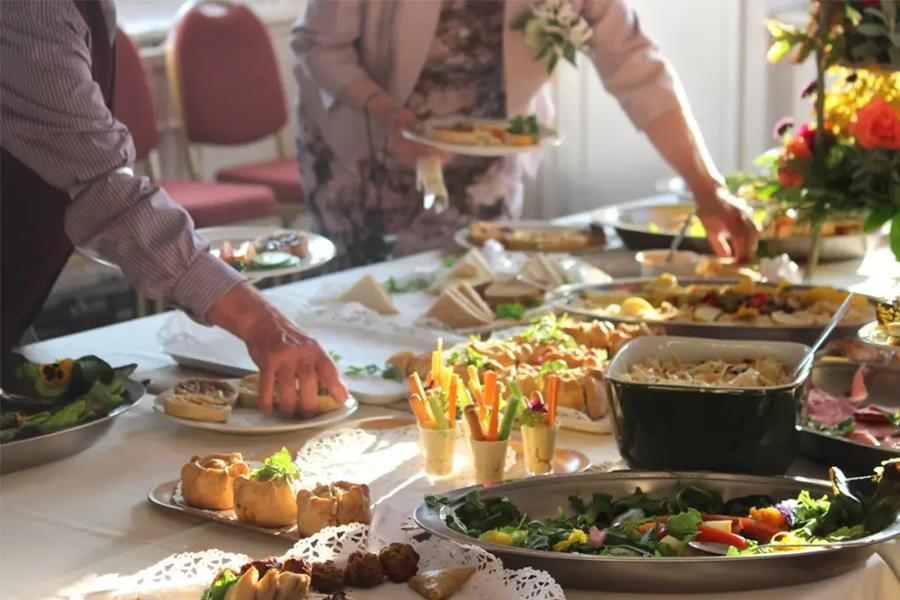
Planning a funeral reception menu is an opportunity to create a meaningful experience for friends and family as they gather to share memories and honor the life of a loved one. While the process can feel overwhelming, building a thoughtful menu that balances practicality with intention ensures guests feel cared for during this difficult time. Every dish you choose can reflect not only your loved one’s preferences but also the comfort and connection that food can provide.
A meaningful funeral reception menu starts with understanding the needs of the attendees. Consider dietary restrictions, food allergies, and cultural or religious preferences when making decisions. Offering vegetarian, gluten-free, and dairy-free options ensures all guests can enjoy the meal without feeling excluded. This level of thoughtfulness demonstrates care and sensitivity toward everyone present.
Practicality is equally important when designing the menu. Funeral receptions often involve emotions running high, so food should be approachable, easy to eat, and comforting. Dishes like casseroles, soups, sandwiches, or pasta are excellent choices since they are filling yet simple. Finger foods such as sliders or mini quiches work well for less formal gatherings. Avoid overly exotic or complicated dishes unless they hold personal significance to your loved one’s memory.
The tone of the gathering will also influence your approach to building the menu. For more casual or intimate gatherings at home, a self-serve buffet may be appropriate where guests can choose their portions freely. If you’re hosting at an event venue with professional catering services, plated meals offer elegance while keeping portions consistent. Make sure you match the serving style to both the venue’s atmosphere and your budgetary considerations.
Another key aspect is selecting foods that resonate emotionally with attendees or reflect your loved one’s personality or heritage. Think about their favorite dishes—perhaps they had a signature dessert they adored or enjoyed cuisines from specific regions around the world. Including these items on the menu transforms it into an homage to them while sparking fond memories among those in attendance.
Presentation also matters in creating something memorable yet understated for this occasion of reverence. Whether serving appetizers on elegant platters or arranging desserts thoughtfully on tiered stands, paying attention to small details provides a sense of care without being extravagant.
Lastly, remember that beverages play an essential role in complementing any meal plan but should remain simple, offering water along with coffee and tea as staples for most mourners’ tastes while including optional additions like lemonade or sparkling water for variety.
By taking time to thoughtfully plan both practical aspects—such as dietary needs—and emotional connections through certain dishes or beverages served during this somber occasion will result not just in nourishment but meaningful moments shared together over good company honoring someone dearly missed.
Choosing the right style of food service for a funeral reception is an important decision that can significantly impact the atmosphere and overall experience. The choice between buffet service, plated meals, or finger foods depends on several factors, including the size of the gathering, venue setup, and the preferences of the grieving family. Each option has its own benefits and considerations that should be carefully weighed to ensure it aligns with the tone of remembrance and comfort.
Buffet-style catering is often a popular choice for funeral receptions due to its flexibility and variety. It allows guests to serve themselves at their own pace and gives them options to select what suits their personal tastes or dietary needs. Buffets tend to work well for medium-to-large gatherings where guests may be mingling rather than seated at formal tables. A well-organized buffet can also reduce wait times while allowing guests to interact casually as they proceed through the line. However, one consideration with buffets is ensuring there are enough serving stations available to avoid congestion and maintain a smooth flow.
Plated meals offer a more formal option that may be suited for smaller gatherings or receptions where families prefer a structured dining experience. With this approach, guests are served pre-selected dishes at their tables, ensuring everyone receives consistent portions in a timely manner. Plated service lends itself well to venues with limited space or when creating an atmosphere of quiet elegance is desired. That said, it requires careful attention to guest seating arrangements and advance knowledge of dietary restrictions since there is less flexibility compared to other styles.
Finger foods provide perhaps the most informal yet versatile choice for a funeral reception menu. Bite-sized items such as sandwiches, pastries, fruit skewers, or small desserts are easy for guests to enjoy while standing or moving around—making this option especially practical for larger groups gathered in more casual settings like community halls or outdoor spaces. Finger foods also work well when time between services and receptions is limited because they require minimal setup and clean-up while still offering variety. However, providing sufficient quantities without over- or under-preparing can be challenging depending on guest turnout.
Ultimately, determining whether buffet-style service, plated meals, or finger foods will best suit your funeral catering needs comes down to understanding your audience and the tone you wish to set during this meaningful event. Thoughtful planning ensures not only that your chosen format accommodates logistical needs but also creates an inviting space where attendees feel cared for during their time of remembrance.
For many families, offering traditional comfort foods is an essential part of a funeral reception. These dishes often hold sentimental value and evoke memories tied to loved ones. Common items might include casseroles, roasted meats, mashed potatoes, pasta dishes, or family recipes that have been passed down through generations. Bread baskets and simple vegetable sides are also appropriate choices for balancing out heavier entrees.
Desserts such as pies, cookies, or pound cakes can add a sweet finish while keeping with the homestyle feel. Offering options like tea and coffee alongside desserts helps create a comforting atmosphere where guests feel invited to reminisce with one another.
If the reception leans toward formality or elegance, consider crafting a refined menu featuring plated meals or upscale buffet selections. Dishes such as herb-crusted salmon, grilled chicken with seasonal vegetables, or risotto provide sophistication while remaining approachable for most palates.
For dessert at elegant receptions, think along the lines of petite pastries or individual panna cottas served in glassware. Beverages such as wine or sparkling water pair nicely with refined menus but should be offered alongside non-alcoholic options to accommodate all guests.
When funerals take on an informal “celebration of life” theme aimed at honoring joyful memories rather than focusing solely on grief, lighter fare is often preferred. Finger foods like sliders, mini sandwiches filled with deli meats or vegetarian options, fresh fruit platters, cheese boards paired with crackers—or even themed appetizers based on hobbies or passions of the deceased—can help cultivate this tone.
Desserts could include cupcakes decorated simply in neutral colors or even custom treats incorporating favorite flavors that held meaning for your loved one. For beverages in this context, lemonade stations or iced tea bars add a relaxed touch that complements casual fare.
Knowing what aligns best avoids mismatches potentially disrespectful esp guests arrive noticing symbolic absence
Choosing the right beverages and refreshments for a funeral gathering requires thoughtful planning to ensure they align with the tone of the event and meet the needs of all attendees. Beverages, in particular, often play a pivotal role in providing comfort while honoring tradition and offering hospitality.
Since funerals bring together people of all ages and preferences, it’s essential to provide a variety of beverage options. Non-alcoholic beverages such as coffee, tea, water, and lemonade are standard choices that cater to most guests. Including herbal tea options or flavored water can also add a thoughtful touch for those who may prefer something lighter or more soothing. Additionally, consider offering warm beverages like hot chocolate during colder months or outdoor receptions held in brisk weather.
If alcohol is deemed appropriate for the reception based on family preferences or traditions, consider serving wine or beer rather than an open bar to maintain an atmosphere of respect. For a more personal touch, you might include a signature drink that holds significance to the deceased’s life—such as their favorite cocktail or a non-alcoholic mocktail inspired by their tastes.
Be mindful of dietary restrictions and preferences when planning refreshments. For instance, include plant-based milk alternatives like almond or oat milk alongside dairy creamers for coffee and tea service. Offering caffeine-free teas or lightly sweetened beverage options is also appreciated by those looking for gentler choices.
Cultural and religious traditions can heavily influence beverage selections during funeral gatherings. Some faiths may discourage alcohol consumption outright, while others may have specific drinks associated with mourning rituals or communal gatherings. Researching these customs—or consulting family members familiar with them—ensures your choices are respectful and culturally sensitive.
In some cultures, specific refreshments symbolize renewal and comfort; for example, green tea is highly regarded in many Asian traditions as both nourishing and grounding during times of grief.
The way beverages are served can enhance the overall experience at the reception while maintaining an air of simplicity and dignity. Carefully chosen glassware or cups that reflect understated elegance can be used without adding unnecessary extravagance. If serving cold drinks such as juices or infused water pitchers, consider adding garnishes like lemon slices or mint leaves for a refined yet minimal aesthetic.
If you’re working with caterers at the venue, ensure they understand your vision for how beverages should be presented—whether through self-serve stations featuring labeled dispensers or trays carried by servers circulating throughout the room.
Details such as having plenty of napkins available near drink stations show care in planning for guests’ needs without explicitly drawing attention to logistics. Similarly, ensuring water is readily accessible throughout the event demonstrates thoughtfulness toward everyone’s comfort during what can often be emotionally tiring moments.
By considering these aspects when selecting beverages for a funeral catering menu, you not only create an environment that feels welcoming but also honor both practicality and sentimentality in equal measure.
When planning a funeral catering menu, it is essential to consider the cultural, religious, and familial traditions of the deceased and their loved ones. Food is often a deeply symbolic aspect of mourning rituals and can provide comfort while honoring personal or community traditions. A thoughtful menu that respects these elements can bring people together in remembrance.
Different religious practices often have specific dietary guidelines that should be observed during funeral receptions. For example, in Jewish traditions, kosher food is required, especially for observant families. Similarly, halal options are customary for Muslim gatherings. Hindus might emphasize vegetarian dishes during mourning ceremonies as a mark of respect and purity.
If you’re unsure about what restrictions or preferences apply, consult with close family members or the religious leader presiding over the service. They can provide clarity on what foods to include or avoid to ensure the menu aligns with spiritual customs.
Cultural backgrounds often influence which dishes are considered appropriate for a funeral gathering. In Korean tradition, soups such as seaweed soup may be served to guests as part of mourning rituals. Italian funerals might feature hearty options like pasta dishes or breads that symbolize comfort and community.
Understanding these cultural preferences demonstrates respect and attentiveness toward the guests attending the reception. Local caterers familiar with certain cuisines may also be helpful in preparing authentic dishes that resonate with attendees.
Beyond broader cultural or religious traditions, every family has its own way of remembering their loved ones through food. Some families may have special recipes passed down through generations—perhaps a particular dessert or side dish that was meaningful to the deceased. Including these personal touches on the menu not only honors their memory but also adds an intimate layer of connection for family members.
Speak with close relatives to determine if there’s a cherished dish they’d like included in the catering selection. Even if it’s something simple like homemade cookies or coffee cake, these details carry emotional significance for those grieving together.
It’s important to ensure inclusivity so all guests feel welcome at the table regardless of their dietary needs. Consider incorporating vegetarian options alongside meat-based meals for flexibility while accommodating allergies by labeling foods clearly (e.g., gluten-free or nut-free items). Serving diverse cuisines can also foster inclusivity when mourning groups stem from mixed backgrounds.
By taking into account these religious, cultural, and familial elements when crafting your catering plan, you ensure not only respect but also comfort for everyone attending this significant event in honor of your loved one’s life. Thoughtful planning shows care for both tradition and guest experience during this sensitive time.
When planning a funeral catering menu, one of the most sensitive aspects to consider is the cultural, religious, and family traditions that may shape the preferences and expectations of attendees. A funeral is not only a time to mourn but also an opportunity for friends and family to come together in shared remembrance. Respecting these traditions through thoughtful menu planning can provide comfort and foster a sense of connection during this emotional time.
It’s essential to confirm these details ahead of time so your menu aligns with these guidelines respectfully. Consulting with someone knowledgeable about the specific religious customs—or working with a caterer experienced in preparing faith-specific meals—can help avoid unintentional oversights.
If you’re unsure about what foods represent the deceased’s background or community preferences best, it’s always a meaningful gesture to ask close family members for guidance.
Beyond established cultural or religious factors, every family has its unique practices around food that could hold special meaning during this occasion. Perhaps there’s a dish that was deeply loved by the deceased—serving it can create a heartfelt moment of connection among those attending the reception.
At the same time, you’ll want to balance these personal touches with options that appeal broadly to all guests present. Offering familiar comfort foods alongside symbolic dishes ensures there is something available for everyone while still paying tribute to important family traditions.
Respectfully integrating these considerations into your catering plan demonstrates thoughtfulness toward all attendees while ensuring everyone feels welcome at this important event.
Collaborating with a professional caterer can significantly lessen the burden of planning a funeral reception. With their expertise, they can help you craft a menu that aligns with both the tone of the occasion and the needs of your guests, ensuring that every detail is handled thoughtfully and respectfully. This partnership allows you to focus on spending time with family and honoring your loved one.
Start by sharing your vision for the event with the caterer. This includes not only logistical details, such as the number of guests and venue arrangements but also the emotional tone you wish to convey. While some gatherings lean towards solemnity, others may celebrate life in a more uplifting way. Giving insight into family traditions or preferences, such as comfort foods or dishes that had personal significance to the deceased, will help your caterer craft a menu that feels meaningful.
Accommodating dietary restrictions is another crucial step in creating an inclusive experience for all attendees. Be sure to inform your caterer about common dietary requirements such as vegetarian, vegan, gluten-free, or allergen-sensitive options. A skilled caterer can suggest dishes that are flavorful and satisfying while meeting these needs without compromising on quality.
Your caterer can advise on whether buffet-style service, plated meals, or passed hors d’oeuvres are most appropriate for your gathering based on factors like guest count and venue size. For instance:
– Small intimate gatherings might work best with plated meals to create an atmosphere of comfort and connection.
– Larger receptions often benefit from buffet-style service for its flexibility in accommodating different tastes and preferences.
Caterers also manage setup and cleanup responsibilities, allowing you to stay present during this meaningful day rather than worrying about operational details.
Work closely with the catering team to strike a balance between simplicity and elegance. Funeral receptions don’t need extravagant displays; rather, understated yet refined touches ensure that food complements rather than overshadows the occasion’s purpose. Opting for locally-sourced ingredients or seasonal menus can add warmth while maintaining sophistication.
Experienced caterers often provide guidance not only on food but also beverages – both alcoholic and non-alcoholic – ensuring they pair well with your chosen menu while offering variety for all guests’ preferences.
On the day of the event itself, rely on your catering team’s ability to seamlessly coordinate timing for serving food or refreshments without disrupting any planned speeches or tributes. Professional staff knows how to maintain discretion while ensuring everything runs smoothly behind-the-scenes.
A trusted catering partner can transform what might feel overwhelming into something manageable by combining respectfulness with culinary skill so attendees leave feeling comforted by thoughtful hospitality shared during this deeply personal moment of remembrance.
 Optimized by Seraphinite Accelerator