Online
Reservation
Integer congue malesuada eros congue varius. Sed malesuada dolor eget velit pretium. Etiam porttitor finibus. Nam suscipit vel ligula at dharetra

Integer congue malesuada eros congue varius. Sed malesuada dolor eget velit pretium. Etiam porttitor finibus. Nam suscipit vel ligula at dharetra

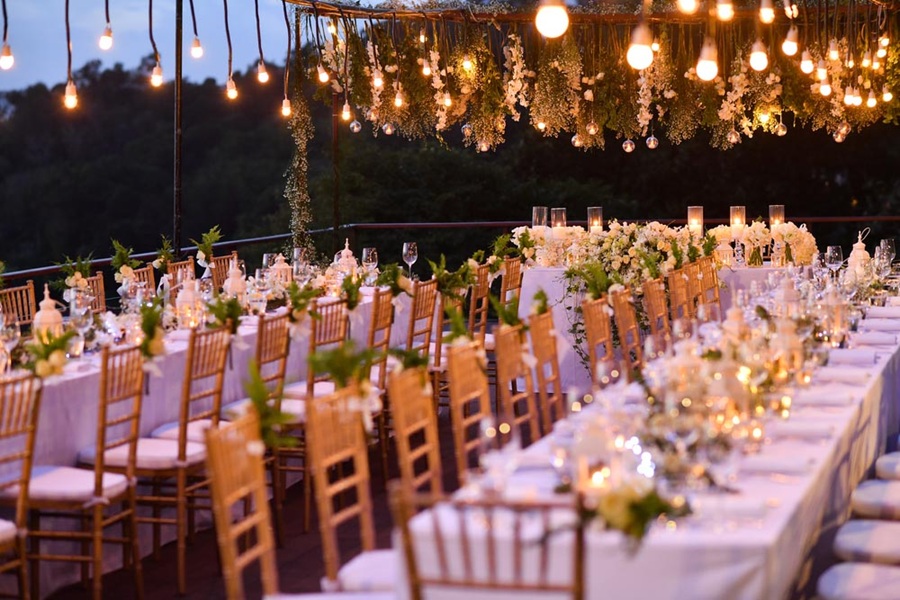
Weddings are one-of-a-kind celebrations, cherished milestones that demand extraordinary care in their preparation. Unlike other events, the stakes are unusually high when it comes to delivering an unforgettable experience for everyone involved. This heightened expectation is one of the key reasons wedding catering often comes at a premium compared to corporate gatherings, birthday parties, or casual events.
Catering for weddings involves intricate layers of planning and execution that go far beyond simply delivering food and drinks. Each element — from the menu to the presentation — must align perfectly with the vision of the couple and their families while meeting logistical challenges that are unique to weddings. This requires not only skill but also a substantial investment in time and resources from professional caterers.
One major differentiator between weddings and other events lies in their singular nature. Birthdays come around every year, while corporate parties may occur regularly within a company’s calendar. A wedding, however, is perceived as a once-in-a-lifetime event, elevating its emotional significance for everyone involved. Caterers understand this distinction and approach weddings with an unparalleled level of detail to ensure perfection. Such attention inevitably increases both time commitments and costs.
The scope of expectations for weddings also plays a crucial role in driving up catering expenses. Guests at weddings expect elaborate menus, beautifully plated dishes, and creative customization — all tailored to reflect the couple’s personality or cultural traditions. Meeting these demands can require specialized skills like crafting multi-tiered dessert displays or designing late-night snack bars with intricate themes. The complexity in preparation often calls for experienced chefs who can handle these elevated requirements without compromising on quality or taste.
Additionally, many logistical factors specific to weddings contribute to higher pricing structures for catering services. Unlike other events where venues may be more straightforward or familiar territory for caterers, wedding venues can range from remote outdoor locations to historic estates with strict guidelines on setup times or cooking facilities. These unique scenarios often require additional equipment rentals (such as mobile kitchens), detailed venue walkthroughs ahead of time, and extended service hours on the day of the event itself.
Timing also plays into this equation. Weddings rarely allow room for error due to their tightly coordinated schedules involving multiple vendors such as florists, photographers, planners, and entertainers working in tandem alongside caterers. A slight delay in food service could disrupt the flow of an entire evening’s timeline — making precision an absolute priority.
Ultimately, wedding catering is not just about feeding guests; it’s about creating an elevated dining experience that aligns seamlessly with one of life’s most celebrated moments. The cost reflects not only the quality of what’s provided but also the expertise required to flawlessly execute a day filled with emotion, memories, and joy shared among loved ones.
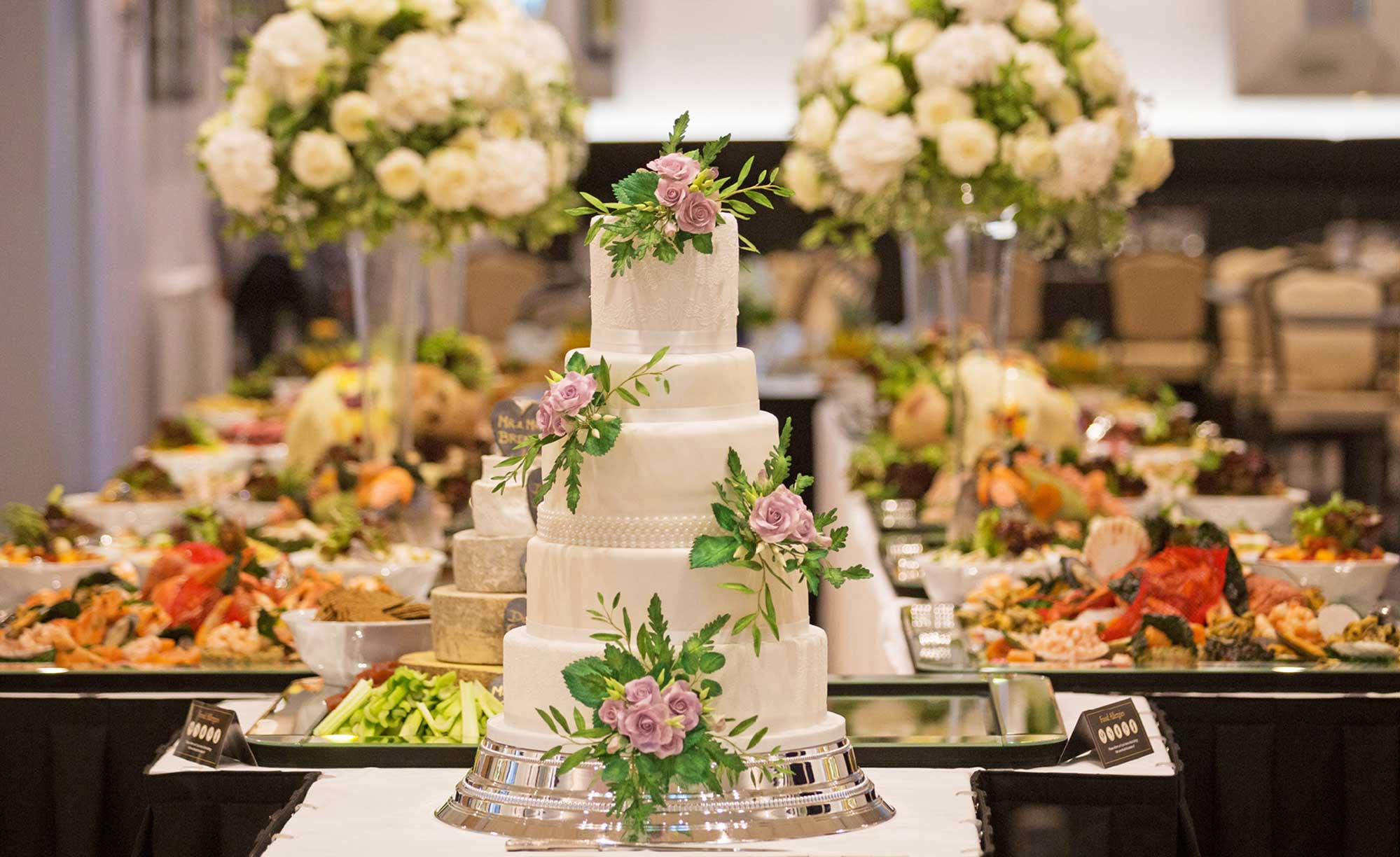
Wedding catering requires an unparalleled level of planning and coordination compared to other events. This is not just about serving food—it’s about creating a seamless dining experience that aligns with the couple’s vision for their big day. Unlike corporate luncheons or casual gatherings where menus are often standardized, weddings demand highly customized menus that reflect personal tastes, dietary needs, cultural traditions, and sometimes even themes.
The customization process typically begins months in advance with detailed discussions between the caterer and the couple. Tastings are arranged to fine-tune flavors, adjust portion sizes, and finalize presentation details. During this phase, caterers may need to source specialty ingredients or accommodate complex dietary restrictions such as gluten-free, vegan options, or religious food preferences. This level of customization not only requires more time but also incurs additional costs for sourcing unique ingredients that you wouldn’t typically find on a standard catering menu.
Coordination is another layer that adds complexity. Weddings often involve numerous vendors such as florists, event planners, photographers, and venue managers. Caterers must work closely with all these parties to ensure every detail—from table settings to meal service timing—is perfectly synchronized. For instance, the food must be served at precise moments: immediately after speeches or when specific dances end. This precision requires thorough pre-event communication and real-time adjustments.
Moreover, weddings often involve multiple courses beyond a single buffet or plated meal seen at other events. Couples may request pre-ceremony appetizers during cocktail hour followed by multi-course dinners featuring hors d’oeuvres, entrees, palate cleansers like sorbets in between dishes, dessert spreads—and sometimes even midnight snacks. The logistics of executing this fluid service style while maintaining quality and freshness further elevate labor demands during both preparation and execution stages.
Finally, weddings are deeply emotional occasions that hold profound significance for clients. Caterers understand there’s no room for error on such an important day—it has to be perfect down to the finest detail. This heightens pressure during both preplanning phases as well as day-of operations compared with less emotionally charged events where minor mishaps could go unnoticed.
By requiring intricate planning sessions tailored specifically toward personal desires combined alongside coordinating multi-department teams flawlessly ensures higher stakes involved explains why significant premium fees naturally apply here versus typical social occasions catered otherwise straightforwardly
One of the primary reasons why wedding catering often comes with a higher price tag is the increased staffing requirements and on-site service demands. Weddings are unlike any other event because they require a much higher level of precision, coordination, and personal attention. Ensuring that every guest feels valued while maintaining impeccable service standards demands a larger, more skilled team.
A typical wedding catering team includes more than just chefs preparing food in the kitchen. You’ll often find servers dedicated to table service, bartenders ensuring drinks are flowing smoothly, coordinators managing timing and transitions between courses, and sometimes even additional staff for activities like cake cutting or late-night snack stations. The sheer scale of these events means that more people are needed to handle tasks efficiently. Unlike casual events where self-service stations might suffice, weddings demand polished table service that requires training and experience. Caterers must ensure their staff is well-versed in proper etiquette to meet the elevated expectations.
Beyond standard staffing needs, there’s also the matter of on-site demands. Weddings often involve venues with unique layouts or logistical challenges such as outdoor locations or historical sites without commercial kitchens. In such cases, caterers may need to bring mobile kitchens or additional equipment to prepare meals on-site while keeping everything fresh and visually appealing. This requires extra time for setup and takedown as well as experienced staff who can adapt quickly.
Timing is another critical factor when it comes to staffing for weddings. Unlike other events where meals are served buffet-style or at flexible intervals, weddings operate under a carefully curated schedule—with speeches, dances, cake cutting, and other moments interspersed between courses. Catering teams must be synchronized not just with their own staff but also with photographers, DJs, event planners, and other vendors to ensure smooth transitions without disrupting the celebration.
Finally, trained wedding catering professionals often receive premium pay compared to general event staff due to their specialized skills and ability to work under high-pressure conditions while maintaining poise. This increased labor cost contributes directly to the overall price of wedding catering services.
When you consider the scale of operations required—both behind the scenes and in front-facing roles—it becomes clear why staffing plays such a significant role in the higher costs associated with wedding catering compared to other events.
One of the lesser-known reasons wedding catering tends to cost more than other events lies in the sheer complexity of venue logistics and the time-intensive nature of execution. Weddings are often hosted in a wide variety of settings—ballrooms, barns, backyards, vineyards, or even destinations with limited infrastructure. Each venue comes with its own unique challenges when it comes to delivering seamless catering services.
Unlike corporate events or casual gatherings that might take place in easily accessible locations with ready-to-use facilities, wedding venues often require extensive planning before the event day. Caterers must visit the site ahead of time to assess logistical needs such as kitchen access, power sources for equipment, water supply for food preparation and cleaning, and pathways for transporting food and rentals. If the venue lacks an on-site kitchen—which is common for outdoor ceremonies or unconventional locations—the caterer may need to bring mobile kitchens or additional equipment to create a fully functional workspace.
Setup is another demanding aspect that adds significantly to costs. Weddings often involve elaborate table arrangements with custom rentals like linens, fine china, glassware, cutlery, centerpieces, and other décor items that must be carefully organized. Caterers are responsible not only for preparing and serving food but also for coordinating with rental vendors to ensure everything arrives on time and meets the client’s vision.
The execution itself is incredibly time-sensitive. Weddings typically adhere to strict schedules involving multiple components like cocktail hours, plated dinners or buffets, cake cutting ceremonies, speeches, and dancing. Preparing a meal that aligns perfectly with this timeline requires precision and coordination between chefs, servers, bartenders, and event planners. Delays in any part of this process can disrupt the flow of events—a risk caterers cannot afford given the high stakes of weddings.
In addition to setup requirements before guests arrive at the venue—and service during the event—caterers are also responsible for breakdown after everything concludes late into the night. This includes packing up leftover food (if permitted), dismantling rented furniture or decorations they’ve handled during setup earlier in the day as well as cleaning up thoroughly so no trace remains behind from their work area beyond loading-out operations concluding post-event tasks comprehensively tied towards ensuring operational excellence standards facilitate smooth closures aligned client-centric expectations ensuring satisfaction achieved optimal levels service delivery
When it comes to weddings, the expectations for presentation and ambiance are elevated far beyond those of other events. Couples often envision their special day as a once-in-a-lifetime celebration, and caterers play a significant role in ensuring that vision comes to life. This heightened focus on aesthetics and personalization contributes to the higher costs associated with wedding catering.
Food at weddings is more than a meal; it’s an experience. Caterers are tasked not only with creating delicious dishes but also with presenting them in a way that complements the event’s overall theme or style. This might mean designing intricate plated meals, offering lavish buffet spreads with decorative elements, or setting up interactive food stations where chefs prepare dishes live in front of guests.
The effort required for this level of presentation often involves additional planning and resources. For example, food garnishes may be thoughtfully curated to match the wedding’s color scheme or theme. Even something as simple as plating requires more time because each dish must look flawless when served.
Weddings frequently require specialty rentals to complement the upscale dining experience couples desire. These include high-quality tableware such as fine china, crystal glassware, polished flatware, and premium serving trays. Beyond dining essentials, there may be requests for custom linens that match the wedding’s color palette or elegant chairs and tables that suit the venue’s aesthetic.
Additionally, some couples opt for unique rental pieces like vintage bar carts or dessert displays to add an extra layer of charm. All these items contribute significantly to catering costs because they often need to be sourced from third-party vendors at an added expense.
Caterers are increasingly taking on roles that blend into event design and styling. From arranging elaborate centerpieces on buffet tables to coordinating lighting around food stations, every detail matters when creating a cohesive atmosphere for guests. Couples might request signature drink bars adorned with florals or grazing tables styled like works of art—elements that demand creative input and labor-intensive execution.
Moreover, high-end weddings often involve a close collaboration between caterers and event planners or designers. This partnership ensures every element—from how appetizers are passed during cocktail hour to how desserts are displayed—is aligned with the couple’s overall vision. The time spent on these collaborative efforts also adds up in terms of both planning hours and execution labor.
Creating premium presentation and styling doesn’t just require equipment—it demands time from experienced professionals who specialize in details like plating meals perfectly or arranging décor beautifully around food setups. The precision needed goes far beyond what is typical at corporate events or casual gatherings.
Between sourcing specialty rentals, planning creative displays, coordinating with other vendors (like florists who may provide greenery for food areas), setting up before guests arrive, and tearing everything down after the party ends—the process is highly labor-intensive.
Ultimately, premium presentation combined with specialty rentals and event styling transforms wedding catering into an art form that justifies its higher price point compared to more straightforward events such as business lunches or birthday parties.
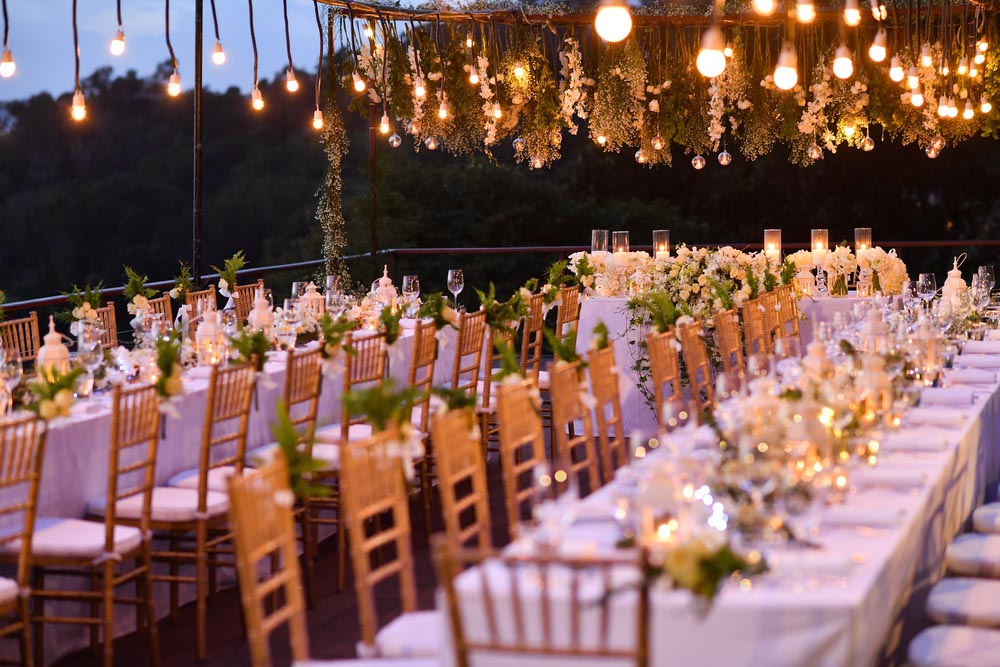
When it comes to weddings, caterers face a unique set of challenges that directly impact pricing. These challenges often revolve around risk management, tight timelines, and the seasonal demand for wedding services. Understanding these factors can shed light on why wedding catering is priced at a premium compared to other events.
Unlike other events with more flexibility, weddings are once-in-a-lifetime occasions where there is no room for error. Caterers shoulder a significant amount of responsibility to ensure the food service runs flawlessly. Errors such as delayed service or food quality issues could not only ruin an unforgettable moment but also harm their professional reputation. This level of accountability often requires caterers to take extensive measures such as double-checking ingredient inventory, preparing backup plans for equipment failures, and ensuring extra servings in case of miscalculations or unexpected guests.
Additionally, compliance with health and safety regulations becomes even more stringent in weddings due to the high expectations from clients and guests. Caterers may need additional insurance coverage because large-scale events like weddings involve higher legal liabilities. These preparations and precautions are costly but essential for managing risks effectively.
Weddings operate on meticulously planned timelines where every moment counts. Unlike corporate events or casual gatherings that allow some degree of flexibility, weddings demand precise synchronization between vendors—caterers included—to align with the ceremony schedule, speeches, and dances. From timing the preparation of meals to plating and serving food hot or fresh during critical moments such as the reception dinner, everything must function seamlessly.
This pressure requires caterers to bring their most skilled staff on board who can work efficiently under time constraints without compromising quality. Efficient execution means investing in advanced kitchen equipment or transportation logistics that allow food to remain at optimal temperatures regardless of location or delays—all factors that elevate costs.
Weddings are often held during specific times of the year when weather conditions are ideal for outdoor venues or when couples traditionally select dates based on cultural significance (e.g., summer weekends or holidays). This concentrated demand creates peak seasons for wedding vendors across industries—from florists to photographers—and caterers are no exception.
During peak seasons, competition among clients vying for top-tier caterers only heightens prices further. Additionally, seasonal fluctuations in ingredient availability come into play; fresh produce or specialty items may cost more during certain periods due to high demand. Caterers must also pay overtime wages to staff who work extended hours during these busy months—a cost inevitably passed on in pricing structures.
Ultimately, the higher charges associated with wedding catering reflect not just elevated risks but also the added pressures of delivering an exceptional experience under rigid timelines during peak seasons. For couples looking to balance their budget while maintaining quality service, open communication with their chosen caterer is key; discussing alternative menu options or considering off-peak dates could help achieve a compromise without sacrificing overall satisfaction.
Weddings are inherently high-stakes events, and the pressure to deliver perfection significantly affects the cost of catering. Unlike other gatherings, weddings often come with heightened emotional and financial investments, which demand careful risk management. Caterers must account for a variety of potential challenges, from last-minute changes in guest counts to unexpected weather conditions for outdoor venues. This level of preparedness requires additional time, resources, and contingency plans that inevitably add to the final price.
Timing plays another critical role in why weddings are more expensive to cater than other events. In terms of execution, weddings often adhere to strict schedules—ceremony times can’t shift easily if something runs late. Caterers must work within these tight timelines while ensuring every detail is executed flawlessly. This could include coordinating with other vendors like florists or DJs and making sure that dishes come out at precise times during speeches or dances. The precision required leaves little room for error, pushing caterers to invest more heavily in experienced staff who can seamlessly manage such pressures.
Peak wedding seasons further drive up costs because demand skyrockets during popular months such as spring and fall. With so many couples vying for similar dates, caterers face limited bandwidth and higher operational costs as they scale up staffing or rent specialized equipment to meet demand. Additionally, vendors at all levels—food suppliers included—often increase their rates during these busy months due to higher overall industry activity. This seasonal pricing ripple effect trickles down into the total cost for couples.
Furthermore, weddings tend to require unique insurance coverage compared to other events due to their size and significance. Liability insurance is often a must when catering for hundreds of guests at high-profile venues because there are simply more opportunities for mishaps—from food allergies being overlooked to glassware accidents during lively celebrations. Caterers build this layer of financial protection into their pricing structure transparently or indirectly.
Ultimately, what distinguishes wedding catering from other types is the intersection of emotional stakes and operational complexity layered with peak-season pressures. Couples aren’t just purchasing food; they’re investing in peace of mind that every detail—from timing precision down to risk mitigation—is handled by seasoned professionals who understand the gravity of their big day’s expectations.
 Optimized by Seraphinite Accelerator